
 JAMIAT ULAMA-E-HIND IN THE POLITICAL GRIP?
Religious Authority, Political Access and the Question of Who Speaks for India’s Muslims
By Ahmed Sohail Siddiqui
Senior Journalist, Editor & Author

Introduction: Who controls the Muslim political microphone?
Established in 1919 during the freedom struggle, Jamiat Ulama-e-Hind describes itself as an organisation that defends Muslims’ religious, cultural, educational and constitutional rights while promoting communal harmony. See Jamiat Ulama-e-Hind, “About Us,” https://jamiat.org.in/about-us/; Jamiat Ulama-e-Hind, “History,” https://jamiat.org.in/history/.
The central investigative question is:
Has Jamiat’s religious authority become intertwined with the political interests of parties, politicians or other influential Muslim organisations—and, if so, what evidence supports that conclusion and who may have benefited ?
Advocate Mehmood Pracha Exposes the Hindutva assets – cause & reason for Muslim defeats.
The issue is especially significant when religious leadership, constitutional rights, political mobilisation and terms such as “jihad” enter the same public discourse.
This investigation does not presume guilt, political manipulation or unlawful conduct. It distinguishes between verified facts, attributed statements, allegations and unanswered questions. It asks whether documentary evidence shows coordination, access, influence, financial relationships, electoral interventions or messaging arrangements involving Jamiat’s leadership, politicians and organisations such as the All India Muslim Personal Law Board (AIMPLB). Any allegation should be put to the relevant individuals and organisations and reported with their responses.
The Madani question
The present Jamiat landscape includes two prominent figures from the Madani family: Maulana Arshad Madani and Maulana Mahmood Asad Madani.
Jamiat Ulama-e-Hind’s official leadership page identifies Maulana Mahmood A. Madani as National President. See Jamiat Ulama-e-Hind, “National Office Bearers,” https://jamiat.org.in/office-bearers/. Maulana Arshad Madani remains a major public religious voice associated with the Jamiat faction commonly identified with him; his organisation’s official website should be consulted for current office-bearers and institutional descriptions: Jamiat Ulama-i-Hind, https://jamiat.co.in/.
These are publicly reported organisational distinctions, but the precise relationship between the relevant bodies, office-bearers and regional structures should be confirmed from current organisational records. Treating the two leadership structures as identical could create a factual error.
The “Jihad” controversy
One episode requiring investigation occurred in November 2025, when reports quoted Maulana Mahmood Madani as saying, in the context of oppression, “if there is oppression, there will be jihad.” This is a future-dated, attributed claim unless the relevant November 2025 report, complete recording or contemporaneous transcript is available. The report should identify the original publication, publication date, reporter, venue and any available video or audio. No quotation should be presented as verbatim without a primary recording, contemporaneous transcript or an attributable official statement.
Jamiat’s account of its November 29, 2025 National Governing Body meeting presents a fuller context. This is also a future-dated organisational claim unless the official page, archived copy, full resolution or accompanying recording is available. It states that Madani rejected private or individual armed jihad, described India as a democratic and secular country in which Muslims are constitutionally bound citizens, and said physical jihad has no relevance in India. See Jamiat Ulama-e-Hind, “National Governing Body Meeting,” November 29, 2025, official website: https://jamiat.org.in/. The precise page URL, archived copy, full resolution and any accompanying recording should be preserved in the published report. These are statements attributed to Jamiat’s own account and should be checked against independent primary material where available.
The investigative question is therefore
Was the formulation religious rhetoric, a warning about oppression, political mobilisation or something else—and how was it interpreted or used by political actors, the AIMPLB and the media?
That requires examination of the complete speech, recording, transcript, subsequent statements and political reactions. It also requires distinguishing what Madani said from how others characterised or responded to it.
The political connection: what is the evidence ?
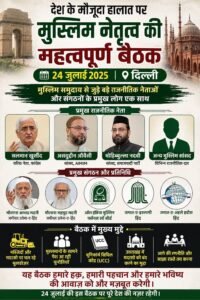
The names of Shahid Siddiqui, Salman Khurshid and Rajiv Shukla have been raised in connection with the broader political environment surrounding Muslim leadership. This is an attributed or unverified association unless supported by dated parliamentary biographies, party records, contemporaneous reports, event notices, recordings or direct responses. Their inclusion does not, by itself, establish coordination, influence or wrongdoing. Relevant primary sources include the Rajya Sabha member database, https://rajyasabha.nic.in/, the Lok Sabha member database, https://sansad.in/ls, and official party biographies and press releases.
The AIMPLB also requires scrutiny because, while presenting itself as a religious organisation, it has engaged with political figures and public political discourse. This characterisation should be supported by dated resolutions, press releases, video statements or other primary records. Its official website, https://www.allindiamuslimpersonallawboard.org/, should be cited for each specific claim. The nature and extent of those engagements should be established from records rather than inferred from association.
One reported example requiring verification concerns M. Adeeb, former Member of Parliament, who, with Salman Khurshid and AIMPLB office-bearers, reportedly addressed press meetings at the India Islamic Cultural Centre, New Delhi, discussing or declaring political affiliations. This is an attributed, unverified claim unless supported by contemporaneous notices, recordings, photographs, attendance records or other reliable evidence. The report should identify the exact date, venue, organiser, participants, original publication and any available recording. The India Islamic Cultural Centre’s official records and event archives should be requested from https://www.iicdelhi.in/. Dates, participants, statements, authorisation and organisational context must be independently verified, and the individuals and organisations concerned should be given an opportunity to respond.
The central questions are:
1. What meetings took place between these politicians, Jamiat’s senior leadership and AIMPLB office-bearers?
2. When did they occur, who arranged them and what was discussed?
3. Were campaigns, elections or parliamentary strategies involved, or were the meetings limited to public policy or community issues?
4. Did either organisation participate in campaigning or request political intervention?
5. Did politicians seek religious statements or mobilisation?
6. Were parties, foundations, trusts or individuals involved in funding related programmes?
7. Was logistical, media or organisational assistance provided?
8. Did religious leaders endorse, oppose or mobilise voters around candidates?
9. Were religious sentiments invoked during election periods, and by whom?
10. Do written communications, photographs, recordings, call records or financial documents establish coordination, or do they show only contact or public association?
11. Were India Islamic Cultural Centre events formally authorised, or did participants act personally?
12. Were political affiliations declared on behalf of an organisation or by individual office-bearers?
These are questions of evidence, not conclusions.
The Congress connection must be tested, not assumed
The allegation that Congress politicians deliberately used Jamiat or AIMPLB to mobilise Muslims is serious, but it remains an allegation unless supported by reliable evidence. It must be tested against documentary records, contemporaneous statements and responses from the Congress, Jamiat, AIMPLB and the individuals concerned. Congress’s official website, https://inc.in/, its press releases and election documents should be searched for dated references to either organisation.
A photograph, meeting, press conference or critical statement does not by itself establish political control, an electoral agreement, organisational endorsement or dictated messaging.
The investigation should look for repeated, documented patterns:
Political access → private meetings → strategic discussions → coordinated messaging → religious mobilisation → electoral benefit.
Every link requires evidence. A temporal sequence alone would not prove causation, and any claimed electoral benefit should be supported by specific evidence rather than assumption. Election results, candidate affidavits and campaign expenditure records should be obtained from the Election Commission of India, https://eci.gov.in/, and its results portal, https://results.eci.gov.in/.
Constitution versus religious mobilisation
Jamiat’s stated objectives include safeguarding Muslims’ civil, religious, cultural and educational rights. See Jamiat Ulama-e-Hind, “About Us,” https://jamiat.org.in/about-us/. The claim that its Working Committee issued a statement in June 2026 citing constitutional values, social harmony and equal citizenship is future-dated relative to the present record and must not be treated as verified unless the official resolution, meeting notice, recording or transcript is available. The report should provide the exact meeting date, venue, issuing body, document title, publication date and URL. These are publicly stated institutional positions; they do not, without further evidence, establish how every office-bearer or affiliated body acted in particular political contexts.
The AIMPLB similarly presents itself as concerned with Muslim personal law and religious rights. See the Board’s official website, https://www.allindiamuslimpersonallawboard.org/. Its public interventions and political interactions should be examined to determine whether they remain issue-based or extend into mobilisation. That assessment should consider the organisation’s stated purpose, the specific conduct at issue and any available evidence of electoral intent.
The key distinction is:
Are Jamiat and AIMPLB defending Muslims as equal citizens under the Constitution, or are constitutional grievances being converted into religious-electoral mobilisation?
A constitutional organisation may legitimately criticise policy, challenge legislation and defend minority rights. The question arises when political actors allegedly seek to turn that advocacy into electoral mobilisation. Whether that occurred in any particular instance must be established through evidence.
The Ambedkar question
References to Dr. B.R. Ambedkar require precision. Rather than describing constitutional rights simply as “rights given by Ambedkar,” the report should examine the Constitutional Assembly debates, the Constitution’s text, fundamental rights, equality provisions, religious freedom provisions and subsequent constitutional jurisprudence. Primary sources include the Constituent Assembly Debates, Digital Sansad, https://sansad.in/ls/debates, and the Constitution of India, Legislative Department, https://legislative.gov.in/constitution-of-india/.
This permits a broader question:
Are Muslims being mobilised primarily as equal constitutional citizens—or as a religious vote-bank?
The same question applies to every political party:
Who benefits when Indian Muslims are treated as a consolidated religious electorate rather than as citizens with diverse political, economic and regional interests?
These are analytical questions and should not be presented as established facts without evidence concerning particular parties, organisations or elections.
The forgotten question: who speaks for Muslims ?
India’s Muslims are not politically homogeneous. They represent different schools of thought, linguistic communities, regions, classes, professions and political preferences.
No religious organisation, including Jamiat or AIMPLB, automatically represents every Muslim citizen. Any claim of broad representation should therefore be attributed to the organisation making it and tested against evidence of membership, mandate and public support.
The investigation should examine whether political parties have preferred dealing with a limited number of recognised religious intermediaries rather than engaging directly with the wider Muslim population. If documented, that would be a significant story about representation itself. It would not, without further evidence, establish that any organisation or party acted improperly.
What the investigation should obtain
A professional investigation should seek:
1. Jamiat and AIMPLB documents
– Governing-body resolutions
– Executive Committee minutes
– Annual reports
– Financial statements
– Donation records where legally accessible
– Election-period circulars
– Political statements
– Speeches and transcripts
– Press-conference notices and recordings
– Records showing whether office-bearers acted officially or personally
Jamiat’s official website, https://jamiat.org.in/, and AIMPLB’s official website, https://www.allindiamuslimpersonallawboard.org/, should be archived when documents are retrieved. Financial and registration records should be checked through the Ministry of Corporate Affairs, https://www.mca.gov.in/, the Income Tax Department, https://www.incometax.gov.in/, and the relevant state charity or society registries.
2. Political-party records
– Congress correspondence
– Election strategy documents
– Candidate-selection records
– Campaign material
– Statements involving Jamiat or AIMPLB
– Meetings between political leaders and representatives
– Records of declared political affiliations involving former MPs, office-bearers or spokespersons
Requests should identify the exact party unit, date range, document category and legal basis for access. Public statements should be linked to the party’s official archive wherever possible.
3. Parliamentary records
– Questions concerning Jamiat or AIMPLB
– Meetings with ministers
– Parliamentary interventions
– Committee proceedings
– Correspondence with ministries
Primary sources include Digital Sansad, https://sansad.in/, the Rajya Sabha website, https://rajyasabha.nic.in/, and ministry websites. Each citation should include the House, session, date, question or document number and page or paragraph.
4. Electoral evidence
For each major election, compare:
Jamiat or AIMPLB statement → political party response → candidate statements → campaign speeches → subsequent electoral mobilisation.
The chronology may help identify possible relationships, but it would not by itself prove coordination or causation. Election dates, results, candidate affidavits and expenditure filings should be cited to the Election Commission of India, https://eci.gov.in/, and the relevant state chief electoral officer.
5. Financial trail
Investigators should examine:
Who funds what?
– Jamiat institutions
– AIMPLB-related programmes or events
– Associated trusts
– Educational organisations
– Conferences
– Publications
– Legal initiatives
– Campaigns
– Travel
– Advertising
– Political events
– Press conferences and public meetings
A documented financial relationship would require greater scrutiny than a photograph or public meeting. It would still be necessary to establish the purpose, legality, direction and significance of any payment before drawing conclusions. Relevant records may include audited accounts, statutory filings, Foreign Contribution Regulation Act records from the Ministry of Home Affairs, https://fcraonline.nic.in/, political-party financial disclosures from the Election Commission of India, https://eci.gov.in/, and court or tribunal records where applicable.
The counter-evidence must also be published
A credible investigation must publish evidence that complicates its premise. Jamiat’s recent statements, for example, are described as defending the country as both a national and constitutional responsibility. This characterisation requires dated official statements or other primary records. Its November 2025 resolution reportedly stated that physical jihad has no relevance in democratic India, but that claim is future-dated relative to the present record and should be cited to the official Jamiat publication or a preserved primary copy only if available. The June 2026 Working Committee claim is also future-dated and should not be published as fact unless the exact official document, recording or transcript is available and dated.
These statements do not prove that political influence is absent. They show why documented institutional positions must be distinguished from allegations of manipulation and why the conduct of particular individuals should not automatically be attributed to an entire organisation.
The same standard applies to AIMPLB.
A press meeting involving an office-bearer and a politician may demonstrate public association, but not formal organisational endorsement or an electoral arrangement. The event’s context, authorisation and subsequent statements must be examined, and the participants should be given an opportunity to explain their roles.
The real investigation
The deeper question is:
> **Has India’s political system created a recurring ecosystem in which religious leaders and organisations act as intermediaries between political parties and Muslim voters—and have competing parties benefited from keeping that system alive?**
That question can be investigated without assuming the answer.
If documents establish coordination, the evidence should be published with the relevant context and responses. If they contradict the allegation, that should also be published. If they reveal a two-way relationship in which religious organisations pursue their own political objectives while politicians seek their support, that may be the most important finding. Any such conclusion should identify the specific actors, dates, conduct and evidence involved rather than attributing it broadly to an entire community or organisation.
The investigation should follow the money, meetings, messages, press conferences, speeches and electoral timelines—not the political narrative of any one side.
********
राजनीतिक शिकंजे में जमीयत उलेमा-ए-हिंद ?
धार्मिक अधिकार, राजनीतिक पहुँच और यह सवाल कि भारत के मुसलमानों की आवाज़ कौन उठाता है
लेखक: अहमद सोहेल सिद्दीकी
वरिष्ठ पत्रकार, संपादक एवं लेखक
भूमिका: मुस्लिम राजनीतिक आवाज़ को कौन नियंत्रित करता है ?
1919 में स्वतंत्रता आंदोलन के दौरान स्थापित जमीयत उलेमा-ए-हिंद स्वयं को ऐसा संगठन बताती है जो मुसलमानों के धार्मिक, सांस्कृतिक, शैक्षिक और संवैधानिक अधिकारों की रक्षा तथा साम्प्रदायिक सौहार्द को बढ़ावा देने के लिए काम करता है।
मुख्य खोजी सवाल यह है:
क्या जमीयत का धार्मिक प्रभाव राजनीतिक दलों, नेताओं या अन्य प्रभावशाली मुस्लिम संगठनों के राजनीतिक हितों से जुड़ गया है—और यदि ऐसा है, तो इसके समर्थन में क्या प्रमाण हैं तथा इससे किसे लाभ हो सकता है?
यह प्रश्न विशेष रूप से महत्वपूर्ण हो जाता है जब धार्मिक नेतृत्व, संवैधानिक अधिकार, राजनीतिक लामबंदी और “जिहाद” जैसे शब्द एक ही सार्वजनिक विमर्श में दिखाई देते हैं।
यह जांच पहले से किसी व्यक्ति को दोषी, राजनीतिक रूप से नियंत्रित या गैरकानूनी आचरण का जिम्मेदार नहीं मानती। इसमें सत्यापित तथ्यों, उद्धृत बयानों, आरोपों और अनुत्तरित सवालों के बीच अंतर किया जाना आवश्यक है। जांच का उद्देश्य यह पता लगाना है कि क्या जमीयत के नेतृत्व, राजनेताओं और ऑल इंडिया मुस्लिम पर्सनल लॉ बोर्ड (AIMPLB) जैसे संगठनों के बीच समन्वय, राजनीतिक पहुँच, प्रभाव, वित्तीय संबंध, चुनावी हस्तक्षेप या संदेशों के तालमेल के दस्तावेजी प्रमाण मौजूद हैं।
हर आरोप संबंधित व्यक्ति और संगठन के सामने रखा जाना चाहिए और उनकी प्रतिक्रिया भी प्रकाशित की जानी चाहिए।
मदनी परिवार का सवाल
जमीयत के वर्तमान परिदृश्य में मदनी परिवार की दो प्रमुख हस्तियां सामने आती हैं—मौलाना अरशद मदनी और मौलाना महमूद असद मदनी।
जमीयत उलेमा-ए-हिंद के आधिकारिक नेतृत्व पृष्ठ पर मौलाना महमूद ए. मदनी को राष्ट्रीय अध्यक्ष बताया गया है।
मौलाना अरशद मदनी भी जमीयत से जुड़े एक प्रमुख धार्मिक नेता हैं और उनके साथ पहचाने जाने वाले जमीयत धड़े की अपनी संगठनात्मक संरचना है। दोनों संगठनों और उनके पदाधिकारियों के बीच सटीक संबंधों की पुष्टि वर्तमान आधिकारिक रिकॉर्ड से की जानी चाहिए।
दोनों नेतृत्व संरचनाओं को एक ही मान लेना स्वयं एक तथ्यात्मक गलती पैदा कर सकता है।
“जिहाद” विवाद
नवंबर 2025 में मौलाना महमूद मदनी के एक बयान को लेकर विवाद हुआ। रिपोर्टों में उन्हें उत्पीड़न के संदर्भ में यह कहते हुए उद्धृत किया गया कि “अगर अत्याचार होगा तो जिहाद होगा।”
लेकिन किसी भी रिपोर्ट में इस कथन को अंतिम तथ्य के रूप में प्रस्तुत करने से पहले मूल वीडियो, ऑडियो, समकालीन ट्रांसक्रिप्ट या आधिकारिक बयान की जांच आवश्यक है।
जमीयत की ओर से 29 नवंबर 2025 की राष्ट्रीय कार्यकारिणी/गवर्निंग बॉडी बैठक के संबंध में जारी विवरण में कथित तौर पर निजी या व्यक्तिगत सशस्त्र जिहाद को अस्वीकार किया गया और कहा गया कि भारत एक लोकतांत्रिक एवं धर्मनिरपेक्ष देश है, जिसमें मुसलमान संवैधानिक रूप से बंधे नागरिक हैं तथा भारत में भौतिक जिहाद का कोई संबंध नहीं है।
इसलिए जांच का मुख्य प्रश्न यह होना चाहिए:
क्या “जिहाद” शब्द धार्मिक बयानबाजी, अत्याचार के खिलाफ चेतावनी, राजनीतिक लामबंदी या किसी अन्य संदर्भ में इस्तेमाल हुआ था—और राजनीतिक नेताओं, AIMPLB तथा मीडिया ने उसकी व्याख्या या इस्तेमाल किस प्रकार किया?
इसके लिए पूरा भाषण, रिकॉर्डिंग, ट्रांसक्रिप्ट, बाद के बयान और राजनीतिक प्रतिक्रियाएं देखना आवश्यक है।
राजनीतिक संबंध: प्रमाण कहां हैं ?
शाहिद सिद्दीकी, सलमान खुर्शीद और राजीव शुक्ला के नाम मुस्लिम नेतृत्व से जुड़े व्यापक राजनीतिक वातावरण के संदर्भ में सामने आए हैं।
लेकिन किसी व्यक्ति का नाम किसी बैठक, कार्यक्रम या सार्वजनिक संपर्क में आने मात्र से राजनीतिक नियंत्रण, प्रभाव या गलत आचरण सिद्ध नहीं होता।
जांच को निम्नलिखित प्रश्नों के उत्तर तलाशने चाहिए:
1. इन नेताओं और जमीयत के वरिष्ठ नेतृत्व या AIMPLB पदाधिकारियों के बीच कितनी बैठकें हुईं?
2. बैठकें कब हुईं और उन्हें किसने आयोजित किया?
3. इनमें क्या चर्चा हुई?
4. क्या चुनाव, राजनीतिक रणनीति या संसदीय रणनीति पर बातचीत हुई?
5. क्या बैठकें केवल सार्वजनिक नीति या सामुदायिक मुद्दों तक सीमित थीं?
6. क्या राजनीतिक नेताओं ने धार्मिक बयान या राजनीतिक लामबंदी की मांग की?
7. क्या किसी राजनीतिक दल, ट्रस्ट, संस्था या व्यक्ति ने संबंधित कार्यक्रमों को आर्थिक सहायता दी?
8. क्या मीडिया, यात्रा या संगठनात्मक सहायता उपलब्ध कराई गई?
9. क्या किसी धार्मिक नेता ने किसी उम्मीदवार के समर्थन या विरोध में मतदाताओं को लामबंद किया?
10. क्या चुनावी अवधि में धार्मिक भावनाओं का राजनीतिक इस्तेमाल हुआ?
11. क्या लिखित पत्राचार, फोटो, वीडियो, कॉल रिकॉर्ड या वित्तीय दस्तावेज किसी वास्तविक समन्वय को सिद्ध करते हैं?
12. क्या किसी कार्यक्रम में संगठन की आधिकारिक अनुमति थी या पदाधिकारी व्यक्तिगत क्षमता में उपस्थित हुए?
ये प्रमाण जुटाने के प्रश्न हैं, निष्कर्ष नहीं।
कांग्रेस संबंध की जांच—निष्कर्ष पहले नहीं, प्रमाण पहले
यह आरोप कि कांग्रेस के कुछ नेताओं ने जमीयत या AIMPLB का इस्तेमाल मुस्लिम राजनीतिक लामबंदी के लिए किया, गंभीर है। लेकिन यह तब तक आरोप ही है जब तक विश्वसनीय दस्तावेज, समकालीन बयान और संबंधित पक्षों की प्रतिक्रियाएं इसे प्रमाणित न करें।
किसी नेता के साथ फोटो, बैठक, प्रेस कॉन्फ्रेंस या सरकार की आलोचना अपने आप में राजनीतिक नियंत्रण या चुनावी समझौते का प्रमाण नहीं है।
जांच में एक संभावित पैटर्न को दस्तावेजों के आधार पर देखा जा सकता है:
राजनीतिक पहुँच → निजी बैठकें → रणनीतिक चर्चा → समन्वित संदेश → धार्मिक लामबंदी → चुनावी लाभ।
लेकिन प्रत्येक कड़ी के लिए अलग प्रमाण आवश्यक होगा। केवल घटनाओं का क्रम अपने आप में कारण-परिणाम सिद्ध नहीं करता।
संविधान बनाम धार्मिक लामबंदी
जमीयत अपने घोषित उद्देश्यों में मुसलमानों के नागरिक, धार्मिक, सांस्कृतिक और शैक्षिक अधिकारों की रक्षा की बात करती है।
AIMPLB भी मुस्लिम पर्सनल लॉ और धार्मिक अधिकारों से संबंधित मुद्दों पर सार्वजनिक हस्तक्षेप करता रहा है।
इसलिए महत्वपूर्ण सवाल है:
क्या जमीयत और AIMPLB मुसलमानों को संविधान के तहत समान नागरिकों के रूप में उनके अधिकारों की रक्षा के लिए संगठित कर रहे हैं, या संवैधानिक शिकायतों को धार्मिक-चुनावी लामबंदी में बदला जा रहा है?
किसी संवैधानिक संगठन को सरकार की नीतियों की आलोचना करने, कानून को चुनौती देने या अल्पसंख्यक अधिकारों की रक्षा करने का अधिकार है।
सवाल तब पैदा होता है जब किसी विशेष मामले में राजनीतिक अभिनेता कथित रूप से इस वैध advocacy को चुनावी लामबंदी में बदलने का प्रयास करें।
यह निष्कर्ष प्रत्येक मामले के प्रमाणों के आधार पर ही निकाला जाना चाहिए।
अंबेडकर का सवाल
डॉ. बी.आर. अंबेडकर के संदर्भ में भी तथ्यात्मक सटीकता जरूरी है।
संवैधानिक अधिकारों को केवल “अंबेडकर द्वारा दिए गए अधिकार” कहना पर्याप्त नहीं होगा। जांच में संविधान सभा की बहसों, संविधान के मूल पाठ, मौलिक अधिकारों, समानता के प्रावधानों, धार्मिक स्वतंत्रता के प्रावधानों और बाद के संवैधानिक न्यायशास्त्र का अध्ययन होना चाहिए।
इसके आधार पर बड़ा सवाल यह हो सकता है:
क्या भारतीय मुसलमानों को मुख्यतः समान संवैधानिक नागरिकों के रूप में लामबंद किया जा रहा है—या एक धार्मिक वोट-बैंक के रूप में ?
और यही प्रश्न प्रत्येक राजनीतिक दल से पूछा जाना चाहिए:
जब भारतीय मुसलमानों को विविध राजनीतिक, आर्थिक, क्षेत्रीय और सामाजिक हितों वाले नागरिकों के बजाय एक संगठित धार्मिक मतदाता समूह के रूप में देखा जाता है, तो इसका लाभ किसे मिलता है?
भूला हुआ सवाल: मुसलमानों की आवाज़ कौन है?
भारत के मुसलमान राजनीतिक रूप से एकरूप नहीं हैं।
उनमें विभिन्न विचारधाराओं, भाषाई समुदायों, क्षेत्रों, वर्गों, पेशों और राजनीतिक प्राथमिकताओं वाले लोग शामिल हैं।
इसलिए कोई भी धार्मिक संगठन—चाहे जमीयत हो या AIMPLB—अपने आप हर मुस्लिम नागरिक का प्रतिनिधि नहीं माना जा सकता।
जांच का एक महत्वपूर्ण हिस्सा यह भी होना चाहिए कि क्या राजनीतिक दल व्यापक मुस्लिम समाज से सीधे संवाद करने के बजाय कुछ मान्यता प्राप्त धार्मिक मध्यस्थों के साथ ही राजनीतिक संबंध बनाना पसंद करते हैं।
यदि इसका दस्तावेजी प्रमाण मिलता है तो यह राजनीतिक प्रतिनिधित्व पर महत्वपूर्ण खोज हो सकती है।
जांच के लिए क्या-क्या दस्तावेज जुटाए जाएं?
1. जमीयत और AIMPLB के दस्तावेज
– कार्यकारिणी के प्रस्ताव
– बैठक की कार्यवाही
– वार्षिक रिपोर्ट
– वित्तीय विवरण
– कानूनी रूप से उपलब्ध दान रिकॉर्ड
– चुनावी अवधि के परिपत्र
– राजनीतिक बयान
– भाषण और ट्रांसक्रिप्ट
– प्रेस कॉन्फ्रेंस के नोटिस और रिकॉर्डिंग
– पदाधिकारियों ने आधिकारिक या व्यक्तिगत हैसियत में भाग लिया, इसका रिकॉर्ड
2. राजनीतिक दलों के रिकॉर्ड
– कांग्रेस का पत्राचार
– चुनावी रणनीति से जुड़े दस्तावेज
– उम्मीदवार चयन रिकॉर्ड
– चुनाव प्रचार सामग्री
– जमीयत/AIMPLB से संबंधित बयान
– राजनीतिक नेताओं और प्रतिनिधियों की बैठकें
– पूर्व सांसदों या पदाधिकारियों की घोषित राजनीतिक संबद्धता
3. संसदीय रिकॉर्ड
– जमीयत/AIMPLB से संबंधित प्रश्न
– मंत्रियों से बैठकें
– संसद में हस्तक्षेप
– संसदीय समितियों की कार्यवाही
– मंत्रालयों के साथ पत्राचार
4. चुनावी प्रमाण
हर बड़े चुनाव के लिए तुलना की जाए:
जमीयत/AIMPLB का बयान → राजनीतिक दल की प्रतिक्रिया → उम्मीदवारों के बयान → चुनावी भाषण → उसके बाद की राजनीतिक लामबंदी।
यह कालक्रम संभावित संबंधों की पहचान में मदद कर सकता है, लेकिन अपने आप में समन्वय या कारण-परिणाम सिद्ध नहीं करता।
5. वित्तीय जांच
सबसे महत्वपूर्ण सवाल:
पैसा कहां से आता है और कहां जाता है?
जांच हो:
– जमीयत संस्थाएं
– AIMPLB से जुड़े कार्यक्रम
– ट्रस्ट
– शैक्षिक संस्थाएं
– सम्मेलन
– प्रकाशन
– कानूनी पहल
– राजनीतिक कार्यक्रम
– यात्रा
– विज्ञापन
– प्रेस कॉन्फ्रेंस
किसी वित्तीय संबंध का दस्तावेज मिलना महत्वपूर्ण होगा, लेकिन उसके उद्देश्य, वैधता, भुगतान की दिशा और वास्तविक महत्व की भी जांच करनी होगी।
विरोधी/विपरीत प्रमाण भी प्रकाशित होने चाहिए
एक विश्वसनीय जांच वही होगी जो अपनी प्रारंभिक धारणा को जटिल बनाने वाले प्रमाण भी प्रकाशित करे।
यदि जमीयत के आधिकारिक बयानों में भारत को संवैधानिक और राष्ट्रीय जिम्मेदारी के साथ जोड़कर देखा गया है, तो वह रिकॉर्ड भी प्रकाशित होना चाहिए।
इसी तरह यदि जमीयत के किसी आधिकारिक प्रस्ताव में भारत में भौतिक जिहाद की प्रासंगिकता को अस्वीकार किया गया है, तो उस मूल दस्तावेज या रिकॉर्डिंग को सामने रखना चाहिए।
लेकिन ऐसे बयान अपने आप यह सिद्ध नहीं करते कि राजनीतिक प्रभाव या राजनीतिक संबंध मौजूद नहीं हैं।
वे केवल यह दिखाते हैं कि संगठन के आधिकारिक बयानों और किसी व्यक्ति या राजनीतिक संपर्क के आरोपों के बीच अंतर करना जरूरी है।
यही मानक AIMPLB पर भी लागू होना चाहिए।
वास्तविक जांच – गहरा सवाल यह है:
«क्या भारत की राजनीतिक व्यवस्था में ऐसा स्थायी तंत्र विकसित हुआ है जिसमें धार्मिक नेता और संगठन राजनीतिक दलों और मुस्लिम मतदाताओं के बीच मध्यस्थ की भूमिका निभाते हैं—और क्या विभिन्न राजनीतिक दलों को इस व्यवस्था को बनाए रखने से लाभ हुआ है ?»
इस प्रश्न की जांच बिना पहले से निष्कर्ष तय किए की जानी चाहिए।
यदि दस्तावेज राजनीतिक समन्वय सिद्ध करते हैं तो उन्हें संदर्भ और संबंधित पक्षों की प्रतिक्रिया के साथ प्रकाशित किया जाना चाहिए।
यदि दस्तावेज आरोपों का खंडन करते हैं तो उसे भी प्रकाशित किया जाना चाहिए।
और यदि दस्तावेज यह दिखाते हैं कि धार्मिक संगठन अपने राजनीतिक उद्देश्य आगे बढ़ाते हैं और राजनीतिक दल उनका समर्थन हासिल करने का प्रयास करते हैं, तो वह भी महत्वपूर्ण निष्कर्ष हो सकता है।
जांच का आधार पैसा, बैठकें, संदेश, प्रेस कॉन्फ्रेंस, भाषण और चुनावी घटनाक्रम होना चाहिए—किसी एक राजनीतिक पक्ष की कहानी नहीं।
********
جمعیۃ علماء ہند سیاسی شکنجے میں؟
مذہبی اختیار، سیاسی رسائی اور یہ سوال کہ ہندوستان کے مسلمانوں کی نمائندگی کون کرتا ہے؟
تحریر: احمد سہیل صدیقی
سینئر صحافی، ایڈیٹر و مصنف
تمہید: مسلمانوں کی سیاسی آواز کو کون کنٹرول کرتا ہے؟
جمعیۃ علماء ہند 1919 میں تحریک آزادی کے دوران قائم ہوئی۔ جمعیۃ اپنے آپ کو ایسا ادارہ قرار دیتی ہے جو مسلمانوں کے مذہبی، ثقافتی، تعلیمی اور آئینی حقوق کے تحفظ اور فرقہ وارانہ ہم آہنگی کے فروغ کے لیے کام کرتی ہے۔
اصل تحقیقاتی سوال یہ ہے:
کیا جمعیۃ کا مذہبی اثر سیاسی جماعتوں، سیاست دانوں یا دیگر بااثر مسلم تنظیموں کے سیاسی مفادات سے جڑ گیا ہے؟ اگر ایسا ہے تو اس کے ثبوت کیا ہیں اور اس سے کس کو فائدہ پہنچ سکتا ہے؟
یہ سوال اس وقت مزید اہم ہوجاتا ہے جب مذہبی قیادت، آئینی حقوق، سیاسی صف بندی اور “جہاد” جیسی اصطلاحات ایک ہی عوامی بحث کا حصہ بن جائیں۔
یہ تحقیق کسی فرد کو پہلے سے قصوروار، سیاسی طور پر کنٹرول شدہ یا غیر قانونی سرگرمی کا مرتکب قرار نہیں دیتی۔ اس میں مصدقہ حقائق، منسوب بیانات، الزامات اور غیر حل شدہ سوالات کے درمیان واضح فرق ضروری ہے۔
تحقیق کا مقصد یہ معلوم کرنا ہے کہ کیا جمعیۃ کی قیادت، سیاست دانوں اور آل انڈیا مسلم پرسنل لا بورڈ (AIMPLB) جیسی تنظیموں کے درمیان سیاسی رابطے، اثر و رسوخ، مالی تعلقات، انتخابی مداخلت یا پیغام رسانی کے باقاعدہ تال میل کے دستاویزی ثبوت موجود ہیں۔
ہر الزام متعلقہ فرد اور تنظیم کے سامنے رکھا جانا چاہیے اور ان کا جواب بھی شائع ہونا چاہیے۔
مدنی خاندان کا سوال
جمعیۃ کے موجودہ منظرنامے میں مدنی خاندان کی دو اہم شخصیات نمایاں ہیں:
مولانا ارشد مدنی اور مولانا محمود اسعد مدنی۔
جمعیۃ علماء ہند کے سرکاری قیادتی ریکارڈ میں مولانا محمود اے. مدنی کو قومی صدر بتایا گیا ہے۔
مولانا ارشد مدنی بھی جمعیۃ سے وابستہ ایک اہم مذہبی رہنما ہیں اور ان سے منسوب جمعیۃ کے دھڑے کی اپنی تنظیمی ساخت موجود ہے۔
دونوں تنظیمی ڈھانچوں اور ان کے عہدیداروں کے باہمی تعلقات کی درست صورت حال موجودہ سرکاری ریکارڈ سے تصدیق کی جانی چاہیے۔
دونوں کو ایک ہی تنظیم یا ایک ہی قیادتی ڈھانچہ سمجھ لینا خود ایک صحافتی غلطی ہوسکتی ہے۔
“جہاد” کا تنازع
نومبر 2025 میں مولانا محمود مدنی کے ایک بیان پر تنازع پیدا ہوا۔ بعض رپورٹس میں انہیں ظلم و جبر کے تناظر میں یہ کہتے ہوئے نقل کیا گیا کہ:
“اگر ظلم ہوگا تو جہاد ہوگا۔”
تاہم اس جملے کو حتمی اور لفظ بہ لفظ بیان کے طور پر پیش کرنے سے پہلے اصل ویڈیو، آڈیو، معاصر ٹرانسکرپٹ یا سرکاری بیان کی تصدیق ضروری ہے۔
29 نومبر 2025 کی قومی گورننگ باڈی کے اجلاس کے حوالے سے جمعیۃ کے بیان میں مبینہ طور پر نجی یا انفرادی مسلح جہاد کے تصور کو مسترد کیا گیا اور کہا گیا کہ ہندوستان ایک جمہوری اور سیکولر ملک ہے، جہاں مسلمان آئینی طور پر پابند شہری ہیں اور ہندوستان میں مادی/مسلح جہاد کی کوئی گنجائش یا مطابقت نہیں ہے۔
اس لیے تحقیق کا بنیادی سوال یہ ہونا چاہیے:
“جہاد” کی اصطلاح مذہبی بیان، ظلم کے خلاف انتباہ، سیاسی صف بندی یا کسی دوسرے مفہوم میں استعمال ہوئی تھی؟ اور سیاسی رہنماؤں، AIMPLB اور میڈیا نے اس کی تشریح یا استعمال کس طرح کیا؟
اس کے لیے مکمل تقریر، ریکارڈنگ، ٹرانسکرپٹ، بعد کے بیانات اور سیاسی ردعمل کا مطالعہ ضروری ہے۔
سیاسی تعلق: ثبوت کہاں ہیں؟
شاہد صدیقی، سلمان خورشید اور راجیو شکلا کے نام مسلم قیادت سے متعلق وسیع سیاسی ماحول کے حوالے سے سامنے آئے ہیں۔
لیکن کسی فرد کا کسی اجلاس، تقریب یا پریس کانفرنس میں موجود ہونا بذات خود سیاسی کنٹرول، اثر و رسوخ یا غلط کاری کا ثبوت نہیں ہے۔
تحقیق کو یہ سوالات اٹھانے چاہئیں:
1. ان سیاست دانوں اور جمعیۃ کی اعلیٰ قیادت یا AIMPLB کے عہدیداروں کے درمیان کتنی ملاقاتیں ہوئیں؟
2. یہ ملاقاتیں کب ہوئیں؟
3. انہیں کس نے منظم کیا؟
4. ان میں کیا بات چیت ہوئی؟
5. کیا انتخابات یا سیاسی حکمت عملی زیر بحث آئی؟
6. کیا ملاقاتیں صرف پالیسی یا مسلم سماج کے مسائل تک محدود تھیں؟
7. کیا کسی سیاسی جماعت، ٹرسٹ یا فرد نے متعلقہ پروگراموں کے لیے مالی مدد فراہم کی؟
8. کیا میڈیا، سفری یا تنظیمی سہولت فراہم کی گئی؟
9. کیا کسی مذہبی رہنما نے کسی امیدوار کے حق یا مخالفت میں ووٹروں کو متحرک کیا؟
10. کیا انتخابی ادوار میں مذہبی جذبات کو سیاسی طور پر استعمال کیا گیا؟
11. کیا خط و کتابت، تصاویر، ویڈیوز، ریکارڈنگ، کال ریکارڈ یا مالی دستاویزات کسی باقاعدہ تال میل کو ثابت کرتی ہیں؟
12. کیا کسی پروگرام میں تنظیم کی باقاعدہ اجازت تھی یا عہدیدار ذاتی حیثیت میں شریک ہوئے؟
یہ ثبوت تلاش کرنے کے سوالات ہیں، نتائج نہیں۔
کانگریس سے تعلق: مفروضہ نہیں، ثبوت
یہ الزام کہ کانگریس کے بعض رہنماؤں نے جمعیۃ یا AIMPLB کو مسلمانوں کی سیاسی صف بندی کے لیے استعمال کیا، ایک سنگین الزام ہے۔
لیکن معتبر دستاویزات، معاصر بیانات اور متعلقہ فریقوں کے جوابات کے بغیر اسے ثابت شدہ حقیقت کے طور پر پیش نہیں کیا جاسکتا۔
کسی سیاست دان کے ساتھ تصویر، ملاقات، پریس کانفرنس یا حکومتی پالیسی پر تنقید بذات خود سیاسی کنٹرول، انتخابی معاہدے یا تنظیمی ہدایت کا ثبوت نہیں ہے۔
تحقیق میں درج ذیل ممکنہ سلسلے کو دستاویزی شواہد سے جانچنا چاہیے:
سیاسی رسائی → نجی ملاقاتیں → حکمت عملی پر گفتگو → مشترکہ پیغام رسانی → مذہبی صف بندی → انتخابی فائدہ۔
لیکن ہر کڑی کے لیے الگ ثبوت ضروری ہوگا۔
صرف واقعات کا ایک کے بعد ایک ہونا وجہ اور نتیجے کو ثابت نہیں کرتا۔
آئین بمقابلہ مذہبی سیاسی صف بندی
جمعیۃ اپنے اعلانیہ مقاصد میں مسلمانوں کے شہری، مذہبی، ثقافتی اور تعلیمی حقوق کے تحفظ کی بات کرتی ہے۔
AIMPLB بھی مسلم پرسنل لا اور مذہبی حقوق سے متعلق امور پر عوامی سطح پر سرگرم رہا ہے۔
لہٰذا بنیادی سوال یہ ہے:
کیا جمعیۃ اور AIMPLB مسلمانوں کو آئین کے تحت مساوی شہریوں کی حیثیت سے ان کے حقوق کے تحفظ کے لیے منظم کر رہے ہیں، یا آئینی شکایات کو مذہبی و انتخابی صف بندی میں تبدیل کیا جارہا ہے؟
کسی آئینی تنظیم کو حکومتی پالیسی پر تنقید، قانون کو چیلنج اور اقلیتی حقوق کا دفاع کرنے کا حق حاصل ہے۔
سوال اس وقت پیدا ہوتا ہے جب کسی خاص معاملے میں سیاسی عناصر مبینہ طور پر اس جائز جدوجہد کو انتخابی صف بندی میں تبدیل کرنے کی کوشش کریں۔
ہر معاملے میں یہ نتیجہ شواہد کی بنیاد پر ہی اخذ کیا جانا چاہیے۔
امبیڈکر کا سوال
ڈاکٹر بی آر امبیڈکر کے حوالے سے بھی تاریخی اور آئینی درستگی ضروری ہے۔
آئینی حقوق کو صرف “امبیڈکر کے دیے ہوئے حقوق” کہنا مکمل تصویر نہیں دیتا۔ تحقیق میں دستور ساز اسمبلی کی بحث، آئین کا اصل متن، بنیادی حقوق، مساوات کی دفعات، مذہبی آزادی کی دفعات اور بعد کی آئینی عدالتی تشریحات کا مطالعہ کیا جانا چاہیے۔
اس بنیاد پر ایک بڑا سوال یہ ہوسکتا ہے:
کیا ہندوستانی مسلمانوں کو بنیادی طور پر مساوی آئینی شہریوں کے طور پر منظم کیا جارہا ہے یا ایک مذہبی ووٹ بینک کے طور پر؟
اور یہی سوال ہر سیاسی جماعت سے پوچھا جانا چاہیے:
جب ہندوستانی مسلمانوں کو مختلف سیاسی، معاشی، علاقائی اور سماجی ترجیحات رکھنے والے شہریوں کے بجائے ایک متحد مذہبی ووٹر گروپ کے طور پر دیکھا جاتا ہے تو اس کا فائدہ کس کو ہوتا ہے؟
فراموش شدہ سوال: مسلمانوں کی نمائندگی کون کرتا ہے؟
ہندوستان کے مسلمان سیاسی طور پر یکساں نہیں ہیں۔
ان میں مختلف مکاتب فکر، زبانیں، علاقے، طبقات، پیشے اور سیاسی ترجیحات رکھنے والے لوگ شامل ہیں۔
لہٰذا کوئی بھی مذہبی تنظیم، خواہ وہ جمعیۃ ہو یا AIMPLB، خود بخود ہر مسلمان شہری کی نمائندہ نہیں بن جاتی۔
تحقیق کا ایک اہم پہلو یہ بھی ہونا چاہیے کہ کیا سیاسی جماعتیں وسیع مسلم معاشرے سے براہ راست رابطہ کرنے کے بجائے محدود تعداد میں تسلیم شدہ مذہبی نمائندوں کے ساتھ ہی سیاسی تعلقات قائم کرنا پسند کرتی ہیں۔
اگر اس کا دستاویزی ثبوت ملتا ہے تو یہ سیاسی نمائندگی کے بارے میں ایک اہم تحقیق ہوسکتی ہے۔
تحقیق کے لیے کون سے دستاویزات حاصل کیے جائیں؟
1. جمعیۃ اور AIMPLB کے دستاویزات
– گورننگ باڈی کی قراردادیں
– ایگزیکٹو کمیٹی کی کارروائی
– سالانہ رپورٹس
– مالیاتی بیانات
– قانونی طور پر دستیاب عطیات کا ریکارڈ
– انتخابی ادوار کے سرکلرز
– سیاسی بیانات
– تقاریر اور ٹرانسکرپٹس
– پریس کانفرنس کے نوٹس اور ریکارڈنگ
– عہدیداروں کی سرکاری یا ذاتی حیثیت میں شرکت کا ریکارڈ
2. سیاسی جماعتوں کے ریکارڈ
– کانگریس کا خط و کتابت ریکارڈ
– انتخابی حکمت عملی کے دستاویزات
– امیدواروں کے انتخاب کا ریکارڈ
– انتخابی مہم کا مواد
– جمعیۃ یا AIMPLB سے متعلق بیانات
– سیاسی رہنماؤں اور نمائندوں کی ملاقاتیں
– سابق ارکان پارلیمنٹ یا عہدیداروں کی اعلانیہ سیاسی وابستگیاں
3. پارلیمانی ریکارڈ
– جمعیۃ یا AIMPLB سے متعلق سوالات
– وزراء سے ملاقاتیں
– پارلیمانی مداخلتیں
– پارلیمانی کمیٹیوں کی کارروائیاں
– وزارتوں کے ساتھ خط و کتابت
4. انتخابی شواہد
ہر بڑے انتخاب میں تقابلی جائزہ:
جمعیۃ/AIMPLB کا بیان → سیاسی جماعت کا ردعمل → امیدواروں کے بیانات → انتخابی تقاریر → اس کے بعد سیاسی صف بندی۔
یہ زمانی ترتیب ممکنہ تعلقات کی نشاندہی کرسکتی ہے، لیکن خود بخود تال میل یا سبب و نتیجہ ثابت نہیں کرتی۔
5. مالیاتی تحقیقات
سب سے اہم سوال:
پیسہ کہاں سے آتا ہے اور کہاں جاتا ہے؟
تحقیق میں شامل ہونا چاہیے:
– جمعیۃ کے ادارے
– AIMPLB سے متعلق پروگرام
– وابستہ ٹرسٹ
– تعلیمی ادارے
– کانفرنسیں
– مطبوعات
– قانونی اقدامات
– سیاسی پروگرام
– سفر
– اشتہارات
– پریس کانفرنسیں
کسی مالی تعلق کا دستاویزی ثبوت اہم ہوسکتا ہے، لیکن اس کے مقصد، قانونی حیثیت، ادائیگی کی سمت اور حقیقی اہمیت کی بھی جانچ ضروری ہوگی۔
مخالف یا پیچیدہ شواہد بھی شائع کیے جائیں
ایک معتبر تحقیق وہی ہوگی جو اپنے ابتدائی مفروضے کو پیچیدہ بنانے والے شواہد بھی سامنے لائے۔
اگر جمعیۃ کے سرکاری بیانات میں ہندوستان کو قومی اور آئینی ذمہ داری کے ساتھ جوڑا گیا ہے تو وہ ریکارڈ بھی شائع ہونا چاہیے۔
اسی طرح اگر کسی سرکاری قرارداد میں ہندوستان میں مادی یا مسلح جہاد کی مطابقت کو مسترد کیا گیا ہے تو اصل دستاویز یا ریکارڈنگ سامنے لائی جانی چاہیے۔
لیکن ایسے بیانات خود بخود یہ ثابت نہیں کرتے کہ سیاسی اثر و رسوخ یا سیاسی تعلقات موجود نہیں ہیں۔
وہ صرف یہ واضح کرتے ہیں کہ تنظیم کے سرکاری موقف اور کسی فرد کے سیاسی رابطوں یا مبینہ سیاسی استعمال کے درمیان فرق کرنا ضروری ہے۔
یہی معیار AIMPLB پر بھی لاگو ہونا چاہیے۔
اصل تحقیق
گہرا سوال یہ ہے:
«کیا ہندوستان کے سیاسی نظام میں ایسا مستقل ماحول پیدا ہوگیا ہے جس میں مذہبی رہنما اور تنظیمیں سیاسی جماعتوں اور مسلم ووٹروں کے درمیان ثالث کا کردار ادا کرتی ہیں—اور کیا مختلف سیاسی جماعتوں کو اس نظام کو برقرار رکھنے سے فائدہ ہوا ہے؟»
اس سوال کی تحقیق پہلے سے کوئی نتیجہ طے کیے بغیر کی جانی چاہیے۔
اگر دستاویزات سیاسی تال میل ثابت کریں تو انہیں مکمل سیاق و سباق اور متعلقہ فریقوں کے جواب کے ساتھ شائع کیا جائے۔
اگر شواہد ان الزامات کی تردید کریں تو اسے بھی شائع کیا جائے۔
اور اگر شواہد یہ ظاہر کریں کہ مذہبی تنظیمیں اپنے سیاسی مقاصد آگے بڑھاتی ہیں جبکہ سیاسی جماعتیں ان کی حمایت حاصل کرنے کی کوشش کرتی ہیں، تو یہ بھی ایک اہم نتیجہ ہوسکتا ہے۔
تحقیق کا اصل مرکز پیسہ، ملاقاتیں، پیغامات، پریس کانفرنسیں، تقاریر اور انتخابی واقعات کا زمانی ریکارڈ ہونا چاہیے—نہ کہ کسی ایک سیاسی فریق کا بیانیہ۔
********