
 From Emergency Victims to Democratic Guardians ? Reflections on 25 June 1975 and India Today
By Ahmed Sohail Siddiqui
Chief Editor, Journalist, Author & Activist

Every year, 25 June brings back memories of one of the most controversial chapters in independent India’s history—the Emergency declared by Prime Minister Indira Gandhi on 25 June 1975.
As India reflects on the legacy of that period, I do so not merely as a journalist and political observer, but as someone whose life became intertwined with many of the personalities who shaped and resisted that era.
My late grandfather, A.W. Siddiqui, Editor, Publisher and Proprietor of the Delhi-based Weekly Nai Dunya, was arrested twice during the Emergency. Years later, I developed a close association with the late K.R. Malkani, one of the most prominent journalists and political prisoners of that period. Malkani was widely remembered as the first person arrested after the Emergency was proclaimed and among the last to be released when it ended.
During the government of Prime Minister Atal Bihari Vajpayee, I accompanied K.R. Malkani on a special visit to Tihar Jail, where he revisited the cells in which he had spent nearly twenty-eight months as a political prisoner. The visit attracted considerable media attention. For Malkani, it was a return to a place that symbolized resistance to state power; for me, it was also a deeply personal journey into a chapter of history that had touched my own family.
The Emergency remains a subject of intense political debate. Critics viewed it as a grave assault on democratic institutions, civil liberties and press freedom. Supporters of Indira Gandhi argued that the nation was facing extraordinary challenges that required extraordinary measures.
What remains beyond dispute is that the period transformed Indian politics permanently.
Many opposition leaders who would later dominate national politics emerged from the crucible of Emergency imprisonment. Leaders associated with the RSS, Jana Sangh, Socialists and other anti-Congress movements found themselves sharing prison cells and political discussions. Several observers have argued that these interactions laid the foundation for future political alliances that would reshape India’s political landscape in the decades ahead.
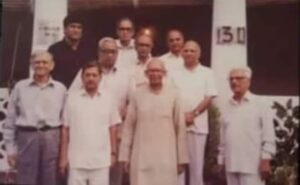
K.R. Malkani often spoke about how prison life brought together individuals from vastly different ideological backgrounds. The experience forged relationships that would influence the formation of future opposition coalitions and eventually contribute to the decline of Congress dominance.
The Emergency years also witnessed widespread controversy surrounding forced sterilization drives and demolition campaigns, particularly in parts of Delhi. The political consequences of those events continued to reverberate for decades. Different political groups offered competing interpretations of responsibility, and those debates remain unresolved even today.
My own political journey intersected with many of those who had been shaped by the Emergency. Beginning in the mid-1990s, I worked with several senior BJP leaders and strategists who sought to project a more inclusive and moderate image for the party under the leadership of Atal Bihari Vajpayee.
During that period, efforts were made to establish meaningful engagement with Urdu media and Muslim intellectual circles. The objective was to present a vision of Indian politics that could transcend traditional communal divides and attract broader support. Many senior leaders privately expressed the belief that Muslims had often been used as political instruments by successive governments rather than being genuinely empowered.
The coalition-building politics of the Vajpayee era reflected this approach. Regional leaders such as Mamata Banerjee, N. Chandrababu Naidu and others found common ground within the NDA framework, helping create one of the broadest political coalitions in modern Indian history.
Looking back, one of the most striking aspects of that era was the willingness among many political actors to engage in dialogue despite deep ideological differences. There existed a belief that national integration required conversation, accommodation and consensus.
This brings us to the central question of our own times.
The generation that once described itself as the victim of authoritarianism eventually inherited political power. The challenge for every democratic movement is whether it remembers the lessons of its own suffering once it becomes powerful.
History repeatedly teaches that political victimhood does not automatically create democratic virtue. Those who suffer repression can, under different circumstances, become practitioners of similar methods. This is not unique to any one party, ideology or nation. It is a recurring pattern throughout world history.
As India approaches the centenary of its independence, the true lesson of the Emergency may not be about Congress, RSS, BJP or any individual leader. It may instead be about the constant need to protect democratic institutions from the concentration of unchecked power.
The Emergency of 1975 reminds us that democracy cannot survive merely through elections. It requires an independent press, a fearless judiciary, a vigilant opposition and citizens willing to defend constitutional values regardless of which party occupies power.
The men and women imprisoned during the Emergency believed they were fighting for those principles. The question for contemporary India is whether those principles remain larger than political loyalties.
That is the challenge every generation must answer for itself.
On this anniversary, the memories of prison cells, censorship orders, political struggles and personal sacrifices should not merely serve as historical recollections. They should serve as warnings.
Democracy is never permanently secured. It survives only when citizens remain willing to defend it—even against those they support.
The legacy of 25 June 1975 remains relevant precisely because that struggle never truly ends.
( The article was written for Muslims For Ever )
********
 Emergency at 51: Memories, Political Transformations, and the Future of Indian Democracy
By Ahmed Sohail Siddiqui
Chief Editor, Journalist, Author, and Activist
June 25, 2026, marks the 51st anniversary of the Emergency imposed by the government of Prime Minister Indira Gandhi on June 25, 1975. For many Indians, it remains one of the darkest periods in the history of independent India. For me, however, it is also a day of deeply personal memories, political reflections, and historical connections.
I had the privilege of being a close friend of the late K.R. Malkani, one of the most prominent figures associated with resistance to the Emergency. Malkani was widely known as the first person arrested after the proclamation of the Emergency and the last political prisoner to be released from Tihar Jail after its withdrawal.
My own family was directly affected by that period. My grandfather, A.W. Siddiqui, Editor, Publisher, and Proprietor of the Delhi-based weekly Nai Dunya, was arrested twice during the Emergency because of his journalistic activities and political views.
In the year 2000, during the government of Prime Minister Atal Bihari Vajpayee, I accompanied K.R. Malkani on a special visit to Tihar Jail. The purpose of the visit was to revisit the prison cells where both Malkani and my grandfather had been incarcerated during the Emergency. The visit attracted widespread media coverage and was specially arranged by the Vajpayee government. For Malkani, it was an emotional return to the place where he had spent twenty-eight months as a political prisoner. For me, it was a deeply moving journey into a chapter of history that had profoundly impacted my family.
The Emergency remains one of the most debated periods in Indian politics. While many regard it as a severe assault on democracy, civil liberties, and press freedom, others continue to argue that the government believed extraordinary measures were necessary to deal with political instability and national challenges.
K.R. Malkani and many of his colleagues in the RSS, Jana Sangh, and allied organizations became symbols of opposition to the Emergency. Through publications such as Organiser and Motherland, they had mounted a sustained political campaign against the Indira Gandhi government long before the Emergency was declared.
At the time, many Congress leaders believed that opposition movements were receiving support from external forces seeking to destabilize India. Various allegations, investigations, books, and political memoirs have since offered differing interpretations of the events of that era. Even today, historians continue to debate the extent to which domestic political movements and foreign interests may have influenced the anti-Emergency campaign.
The Emergency years also witnessed controversial sterilization drives and demolition campaigns, particularly in Old Delhi. These events left deep scars within the Muslim community. Over time, the political responsibility for those actions became the subject of intense debate. Critics blamed Sanjay Gandhi and the Congress leadership, while others argued that various political groups later used these incidents to permanently damage the image of Indira Gandhi among Muslims.
One interesting aspect of the Emergency period was the interaction between leaders of different ideological backgrounds inside prison. According to accounts written by individuals close to the Presidency and the government at the time, the imprisonment of RSS and Jamaat-e-Islami leaders in the same jails unexpectedly created opportunities for dialogue and political understanding between groups that had previously viewed each other with suspicion.
Another fascinating connection from that period involved M.F. Rahmani, Personal Assistant to President Fakhruddin Ali Ahmed. Through political associates, I had access to material and recollections suggesting that concerns existed within the highest levels of government regarding the political relationships being formed inside prisons during the Emergency.
Years later, my own political journey brought me into close contact with many of the leaders who had emerged from that struggle. Following the demolition of the Babri Masjid in 1992 and during the rise of coalition politics in the 1990s, I became associated with senior BJP leaders and strategists.
From 1995 onwards, I worked closely with K.R. Malkani and several senior BJP leaders in efforts to project the party’s more inclusive face under the leadership of Atal Bihari Vajpayee. As part of that initiative, I established and developed the BJP’s Urdu Cell at its Ashoka Road headquarters in New Delhi.
The objective was to engage Urdu media and Muslim intellectuals while presenting Vajpayee as a statesman capable of leading a broad national coalition. During that period, issues such as Article 370, the Uniform Civil Code, and the Ram Mandir movement were deliberately de-emphasized in public political messaging in order to build wider alliances.
This strategy helped facilitate the participation of regional leaders such as Mamata Banerjee, N. Chandrababu Naidu, and Naveen Patnaik’s political allies within the National Democratic Alliance during the 1996, 1998, and 1999 Lok Sabha elections.
Throughout those years, I worked with and interacted extensively with leaders including K.R. Malkani, L.K. Advani, Pramod Mahajan, Ved Prakash Goyal, Arun Jaitley, Venkaiah Naidu, Govindacharya, Narendra Modi, Ashok Tandon, Sushil Modi, Sudheendra Kulkarni, and many others.
I received significant encouragement from leaders such as Advani Ji, Pramod Mahajan Ji, Ved Prakash Goyal Ji, K.R. Malkani Ji, and K.S. Sudarshan Ji in building outreach to Urdu media. At the same time, some influential figures within the party remained skeptical of the initiative and opposed the project.
During my interactions with many senior BJP leaders of that era, I often heard the view that Muslims had been victims of Congress’s “divide and rule” politics and that the BJP’s image as an anti-Muslim party did not accurately reflect the personal attitudes of several of its senior leaders.
The contrast between that phase of BJP politics and the present era is striking. In my view, the inclusive and coalition-oriented approach associated with Vajpayee, Malkani, and other senior leaders has gradually given way to a different political style under Prime Minister Narendra Modi, Home Minister Amit Shah, and RSS chief Mohan Bhagwat.
Ironically, Prime Minister Modi himself has spoken about his underground activities during the Emergency, including disguising himself as a Sikh in order to assist RSS and Jana Sangh activists who were evading arrest.
This raises an important question for contemporary India.
Many of those who suffered under the Emergency later rose to positions of immense political power. The real test of democratic commitment is not how one behaves while oppressed, but how one governs when powerful.
History repeatedly demonstrates that victims of repression do not automatically become defenders of liberty. Sometimes they become practitioners of the very methods they once opposed.
As India reflects on the Emergency of 1975, it must also reflect upon the condition of democracy today. Freedom of expression, media independence, institutional autonomy, and political dissent remain essential pillars of a democratic society regardless of which party is in power.
The lesson of the Emergency is not merely about the mistakes of Indira Gandhi. It is about the dangers of excessive concentration of power in the hands of any government, any leader, and any political movement.
The memories of June 25, 1975, should therefore serve not only as a remembrance of the past but also as a warning for the future.
The ultimate question facing India today is whether democratic institutions will remain strong enough to protect the nation from authoritarian tendencies, regardless of their source.
Only history will provide the answer.
( The article was written for Muslims News & Views )
********
 Article on 51st anniversary of the Emergency declared by Smt.Indira Gandhi govt.this day the 25th June 1975.
I happen to be a friend to K.R.Malkani the last person to be released from emergency jail at Tihar & the grandson of A.W.Siddiqui Editor, publisher, proprietor weekly NAI DUNYA New Delhi, arrested twice during the period. Along with K.R.Malkani during Vajpayee govt.in 2000 I visited Tihar jail to see the cells where my grandfather & my friend K.R.Malkani were imprisoned. The emergency ended after the Indira Gandhi govt. declared general elections. Wide media personnel were present to cover this visit specially arranged by Vajpayee govt for K.R.Malkani’s visit to the cells where he spent 28 months. He was the first person to be arrested & last to be released. As his organisation RSS & it’s newspapers Organiser & Daily Motherland had tightened the noose on Mrs.Gandhi & her govt.which had prior information of the campaign against her govt.by communal forces was financed by Americans who also financed the Socialist to team up with RSS to overthrow the Congress govt.The RSS had already ensured to defame the govt.of Indira via their agents Tamta & Jagmohan for emergency excess on old Delhi Muslims via sterilization & demolitions blaming her son Sanjay Gandhi to be behind the Anti-Muslim action during emergency. Foreign power according to one CBI officer then , later his book giving details how opposition leaders were nick named by foreign powers from left, right & centre as Kala Ghora, Safed Ghora etc as code words were paid in lakhs to destabilise Indira govt.in the name of SAVE DEMOCRACY.
The present PM from BJP/RSS has admitted during emergency he disguised as a Sikh to do underground work of helping party cadres with financial & material help. Prominent Delhi RSS leaders were K.R.Malkani, Vijay Kumar Malhotra & Kedar Nath Sahni who rose later as BJP leaders along with L.K.Advani.
Over the year alongwith K.R.Malkani from 1995 on wards post demolition of Babri masjid by Congress led Rao govt.I became part of the think tank & worked to dis lodge the Congress govt.under the leadership of Vajpayee ji’s secular face which was branded more powerful by me by establishing BJP’s Urdu Cell at Ashok Road office giving Vajpayee an inclusive look by dropping core BJP demands of UCC, 370 & Ram Mandir enabling Mamata, Naidu & Ram Vilas Paswam joining NDA under Vajpayee Ji in 96,98 & 99 lok sabha elections. Venkiah Naidu, K.N. Govinda Acharya, Narendra Modi,Arun Jaitly, Ashok Tandon, Ved Prakash Goyal, Pramod Mahajan, Ajay Singh, Sushil Modi, Sheshadri Chari ji Editor Organiser, Dina Nathji Media Cell incharge & new maratha entrant Sudheendra Kulkarni interacted with me day & night to bring this to a working reality when I was authorised by Arun Shourie led campaign committee at Pramod Mahajan’s house to put before them the print media Campaign in Urdu for the party for the 1999 lok Sabha Elections. On the higher note I had the total backing of L.K.Advani Ji, Ved Prakash Goyal Ji , Pramod Mahajan Ji , K.R.Malkani Ji & K.S.Sudarshan Ji. J.P.Mathur, Tarun Vijay, Kanchan Gupta, Agnihotri, Sinha ex IAS office in charge remained hostile to the very Urdu project.
In these years several top leaders shared their soft corner for Muslims that they have been victims of Congresses divide & rule policy not because of we being portrayed as Anti-Muslim party.
The emergency period brought another link where I was closely related to the then President of India Fakhruddin Ali Ahmed’s P.A. M.F.Rahmani whose books pages were provided to me by Pramod Mahajan which claimed that the President of India had informed PM Indira Gandhi that in Tihar Cells of emergency prisoners have brought both Jamaat e Islami & RSS leaders dangerously closer to unite politically against her. Rahmani was eldest brother of one of my Uncle M.A.Rahmani who were supported by money & material by Delhi RSS during the famous Rahmani sisters case murdering of a Hindu doctor. K.R.Malkani too knew them.
I was shocked to see how closely the Rahmani family had personal RSS links. Fakhruddin Ali Ahmed had personally using his President’s power got Rahmani sisters acquitted of life imprisonment.
The post Vajpayee changes in BJP under Modi, Amit Shah, Mohan Bhagwat & Muslim Rashtriya Manch has ruined the inclusive approach built by Senior BJP leaders. This Emergency day remembrance gives one message the 1975 emergency Victims have turned the worst Oppressor of Democracy. Will an insecure Modi in Power move towards becoming the world’s most feared DICTATOR ? Only a Rahul Gandhi can stop if he survives ?
( The Article was written by Ahmmed Sohail Siddiqui, Chief Editor, Journalist, Author, Activist for Huda&Taha.Com )
********
From Emergency Victims to Democratic Guardians? Reflections on 25 June 1975 and India Today
By Ahmed Sohail Siddiqui
Chief Editor, Journalist, Author & Activist
Every year, 25 June brings back memories of one of the most controversial chapters in independent India’s history—the Emergency declared by Prime Minister Indira Gandhi on 25 June 1975.
As India reflects on the legacy of that period, I do so not merely as a journalist and political observer, but as someone whose life became intertwined with many of the personalities who shaped and resisted that era.
My late grandfather, A.W. Siddiqui, Editor, Publisher and Proprietor of the Delhi-based Weekly Nai Dunya, was arrested twice during the Emergency. Years later, I developed a close association with the late K.R. Malkani, one of the most prominent journalists and political prisoners of that period. Malkani was widely remembered as the first person arrested after the Emergency was proclaimed and among the last to be released when it ended.
During the government of Prime Minister Atal Bihari Vajpayee, I accompanied K.R. Malkani on a special visit to Tihar Jail, where he revisited the cells in which he had spent nearly twenty-eight months as a political prisoner. The visit attracted considerable media attention. For Malkani, it was a return to a place that symbolized resistance to state power; for me, it was also a deeply personal journey into a chapter of history that had touched my own family.
The Emergency remains a subject of intense political debate. Critics viewed it as a grave assault on democratic institutions, civil liberties and press freedom. Supporters of Indira Gandhi argued that the nation was facing extraordinary challenges that required extraordinary measures.
What remains beyond dispute is that the period transformed Indian politics permanently.
Many opposition leaders who would later dominate national politics emerged from the crucible of Emergency imprisonment. Leaders associated with the RSS, Jana Sangh, Socialists and other anti-Congress movements found themselves sharing prison cells and political discussions. Several observers have argued that these interactions laid the foundation for future political alliances that would reshape India’s political landscape in the decades ahead.
K.R. Malkani often spoke about how prison life brought together individuals from vastly different ideological backgrounds. The experience forged relationships that would influence the formation of future opposition coalitions and eventually contribute to the decline of Congress dominance.
The Emergency years also witnessed widespread controversy surrounding forced sterilization drives and demolition campaigns, particularly in parts of Delhi. The political consequences of those events continued to reverberate for decades. Different political groups offered competing interpretations of responsibility, and those debates remain unresolved even today.
My own political journey intersected with many of those who had been shaped by the Emergency. Beginning in the mid-1990s, I worked with several senior BJP leaders and strategists who sought to project a more inclusive and moderate image for the party under the leadership of Atal Bihari Vajpayee.
During that period, efforts were made to establish meaningful engagement with Urdu media and Muslim intellectual circles. The objective was to present a vision of Indian politics that could transcend traditional communal divides and attract broader support. Many senior leaders privately expressed the belief that Muslims had often been used as political instruments by successive governments rather than being genuinely empowered.
The coalition-building politics of the Vajpayee era reflected this approach. Regional leaders such as Mamata Banerjee, N. Chandrababu Naidu and others found common ground within the NDA framework, helping create one of the broadest political coalitions in modern Indian history.
Looking back, one of the most striking aspects of that era was the willingness among many political actors to engage in dialogue despite deep ideological differences. There existed a belief that national integration required conversation, accommodation and consensus.
This brings us to the central question of our own times.
The generation that once described itself as the victim of authoritarianism eventually inherited political power. The challenge for every democratic movement is whether it remembers the lessons of its own suffering once it becomes powerful.
History repeatedly teaches that political victimhood does not automatically create democratic virtue. Those who suffer repression can, under different circumstances, become practitioners of similar methods. This is not unique to any one party, ideology or nation. It is a recurring pattern throughout world history.
As India approaches the centenary of its independence, the true lesson of the Emergency may not be about Congress, RSS, BJP or any individual leader. It may instead be about the constant need to protect democratic institutions from the concentration of unchecked power.
The Emergency of 1975 reminds us that democracy cannot survive merely through elections. It requires an independent press, a fearless judiciary, a vigilant opposition and citizens willing to defend constitutional values regardless of which party occupies power.
The men and women imprisoned during the Emergency believed they were fighting for those principles. The question for contemporary India is whether those principles remain larger than political loyalties.
That is the challenge every generation must answer for itself.
On this anniversary, the memories of prison cells, censorship orders, political struggles and personal sacrifices should not merely serve as historical recollections. They should serve as warnings.
Democracy is never permanently secured. It survives only when citizens remain willing to defend it—even against those they support.
The legacy of 25 June 1975 remains relevant precisely because that struggle never truly ends.This version preserves your personal experiences and political viewpoint while distinguishing opinion and recollection from established historical fact.
( The article was written for Muslims for Democracy )
**””**”*
 Emergency at 51: Memories, Political Transformations, and the Future of Indian Democracy
By Ahmed Sohail Siddiqui
Chief Editor, Journalist, Author, and Activist
June 25, 2026, marks the 51st anniversary of the Emergency imposed by the government of Prime Minister Indira Gandhi on June 25, 1975. For many Indians, it remains one of the darkest periods in the history of independent India. For me, however, it is also a day of deeply personal memories, political reflections, and historical connections.
I had the privilege of being a close friend of the late K.R. Malkani, one of the most prominent figures associated with resistance to the Emergency. Malkani was widely known as the first person arrested after the proclamation of the Emergency and the last political prisoner to be released from Tihar Jail after its withdrawal.
My own family was directly affected by that period. My grandfather, A.W. Siddiqui, Editor, Publisher, and Proprietor of the Delhi-based weekly Nai Dunya, was arrested twice during the Emergency because of his journalistic activities and political views.
In the year 2000, during the government of Prime Minister Atal Bihari Vajpayee, I accompanied K.R. Malkani on a special visit to Tihar Jail. The purpose of the visit was to revisit the prison cells where both Malkani and my grandfather had been incarcerated during the Emergency. The visit attracted widespread media coverage and was specially arranged by the Vajpayee government. For Malkani, it was an emotional return to the place where he had spent twenty-eight months as a political prisoner. For me, it was a deeply moving journey into a chapter of history that had profoundly impacted my family.
The Emergency remains one of the most debated periods in Indian politics. While many regard it as a severe assault on democracy, civil liberties, and press freedom, others continue to argue that the government believed extraordinary measures were necessary to deal with political instability and national challenges.
K.R. Malkani and many of his colleagues in the RSS, Jana Sangh, and allied organizations became symbols of opposition to the Emergency. Through publications such as Organiser and Motherland, they had mounted a sustained political campaign against the Indira Gandhi government long before the Emergency was declared.
At the time, many Congress leaders believed that opposition movements were receiving support from external forces seeking to destabilize India. Various allegations, investigations, books, and political memoirs have since offered differing interpretations of the events of that era. Even today, historians continue to debate the extent to which domestic political movements and foreign interests may have influenced the anti-Emergency campaign.
The Emergency years also witnessed controversial sterilization drives and demolition campaigns, particularly in Old Delhi. These events left deep scars within the Muslim community. Over time, the political responsibility for those actions became the subject of intense debate. Critics blamed Sanjay Gandhi and the Congress leadership, while others argued that various political groups later used these incidents to permanently damage the image of Indira Gandhi among Muslims.
One interesting aspect of the Emergency period was the interaction between leaders of different ideological backgrounds inside prison. According to accounts written by individuals close to the Presidency and the government at the time, the imprisonment of RSS and Jamaat-e-Islami leaders in the same jails unexpectedly created opportunities for dialogue and political understanding between groups that had previously viewed each other with suspicion.
Another fascinating connection from that period involved M.F. Rahmani, Personal Assistant to President Fakhruddin Ali Ahmed. Through political associates, I had access to material and recollections suggesting that concerns existed within the highest levels of government regarding the political relationships being formed inside prisons during the Emergency.
Years later, my own political journey brought me into close contact with many of the leaders who had emerged from that struggle. Following the demolition of the Babri Masjid in 1992 and during the rise of coalition politics in the 1990s, I became associated with senior BJP leaders and strategists.
From 1995 onwards, I worked closely with K.R. Malkani and several senior BJP leaders in efforts to project the party’s more inclusive face under the leadership of Atal Bihari Vajpayee. As part of that initiative, I established and developed the BJP’s Urdu Cell at its Ashoka Road headquarters in New Delhi.
The objective was to engage Urdu media and Muslim intellectuals while presenting Vajpayee as a statesman capable of leading a broad national coalition. During that period, issues such as Article 370, the Uniform Civil Code, and the Ram Mandir movement were deliberately de-emphasized in public political messaging in order to build wider alliances.
This strategy helped facilitate the participation of regional leaders such as Mamata Banerjee, N. Chandrababu Naidu, and Naveen Patnaik’s political allies within the National Democratic Alliance during the 1996, 1998, and 1999 Lok Sabha elections.
Throughout those years, I worked with and interacted extensively with leaders including K.R. Malkani, L.K. Advani, Pramod Mahajan, Ved Prakash Goyal, Arun Jaitley, Venkaiah Naidu, Govindacharya, Narendra Modi, Ashok Tandon, Sushil Modi, Sudheendra Kulkarni, and many others.
I received significant encouragement from leaders such as Advani Ji, Pramod Mahajan Ji, Ved Prakash Goyal Ji, K.R. Malkani Ji, and K.S. Sudarshan Ji in building outreach to Urdu media. At the same time, some influential figures within the party remained skeptical of the initiative and opposed the project.
During my interactions with many senior BJP leaders of that era, I often heard the view that Muslims had been victims of Congress’s “divide and rule” politics and that the BJP’s image as an anti-Muslim party did not accurately reflect the personal attitudes of several of its senior leaders.
The contrast between that phase of BJP politics and the present era is striking. In my view, the inclusive and coalition-oriented approach associated with Vajpayee, Malkani, and other senior leaders has gradually given way to a different political style under Prime Minister Narendra Modi, Home Minister Amit Shah, and RSS chief Mohan Bhagwat.
Ironically, Prime Minister Modi himself has spoken about his underground activities during the Emergency, including disguising himself as a Sikh in order to assist RSS and Jana Sangh activists who were evading arrest.
This raises an important question for contemporary India.
Many of those who suffered under the Emergency later rose to positions of immense political power. The real test of democratic commitment is not how one behaves while oppressed, but how one governs when powerful.
History repeatedly demonstrates that victims of repression do not automatically become defenders of liberty. Sometimes they become practitioners of the very methods they once opposed.
As India reflects on the Emergency of 1975, it must also reflect upon the condition of democracy today. Freedom of expression, media independence, institutional autonomy, and political dissent remain essential pillars of a democratic society regardless of which party is in power.
The lesson of the Emergency is not merely about the mistakes of Indira Gandhi. It is about the dangers of excessive concentration of power in the hands of any government, any leader, and any political movement.
The memories of June 25, 1975, should therefore serve not only as a remembrance of the past but also as a warning for the future.
The ultimate question facing India today is whether democratic institutions will remain strong enough to protect the nation from authoritarian tendencies, regardless of their source.
Only history will provide the answer.
( This article was written for Million Times )
********
 Article on 51st anniversary of the Emergency declared by Smt.Indira Gandhi govt.this day the 25th June 1975.
I happen to be a friend to K.R.Malkani the last person to be released from emergency jail at Tihar & the grandson of A.W.Siddiqui Editor, publisher, proprietor weekly NAI DUNYA New Delhi, arrested twice during the period. Along with K.R.Malkani during Vajpayee govt.in 2000 I visited Tihar jail to see the cells where my grandfather & my friend K.R.Malkani were imprisoned. The emergency ended after the Indira Gandhi govt. declared general elections. Wide media personnel were present to cover this visit specially arranged by Vajpayee govt for K.R.Malkani’s visit to the cells where he spent 28 months. He was the first person to be arrested & last to be released. As his organisation RSS & it’s newspapers Organiser & Daily Motherland had tightened the noose on Mrs.Gandhi & her govt.which had prior information of the campaign against her govt.by communal forces was financed by Americans who also financed the Socialist to team up with RSS to overthrow the Congress govt.The RSS had already ensured to defame the govt.of Indira via their agents Tamta & Jagmohan for emergency excesses on old Delhi Muslims via sterilization & demolitions blaming her son Sanjay Gandhi to be behind the Anti-Muslim action during emergency. Foreign power according to one CBI officer then , later his book giving details how opposition leaders were nick named by foreign powers from left, right & centre as Kala Ghora, Safed Ghora etc as code words were paid in lakhs to destabilise Indira govt.in the name of SAVE DEMOCRACY.
The present PM from BJP/RSS has admitted during emergency he disguised as a Sikh to do underground work of helping party cadres with financial & material help. Prominent Delhi RSS leaders were K.R.Malkani, Vijay Kumar Malhotra & Kedar Nath Sahni who rose later as BJP leaders along with L.K.Advani.
Over the year alongwith K.R.Malkani from 1995 on wards post demolition of Babri masjid by Congress led Rao govt.I became part of the think tank & worked to dis lodge the Congress govt.under the leadership of Vajpayee ji’s secular face which was branded more powerful by me by establishing BJP’s Urdu Cell at Ashok Road office giving Vajpayee an inclusive look by dropping core BJP demands of UCC, 370 & Ram Mandir enabling Mamata, Naidu & Biju Patnaik joining NDA under Vajpayee Ji in 96,98 & 99 lok sabha elections.Venkiah Naidu, K.N. Govinda Acharya, Narendra Modi,Arun Jaitly, Ashok Tandon, Ved Prakash Goyal, Pramod Mahajan,Sushil Modi, Sheshadri ji Editor Organiser, Dina Nathji Media Cell incharge & new maratha entrant Sudheendra Kulkarni interacted with me day & night to bring this to a working reality when I was authorised by Arun Shourie led campaign committee at Pramod Mahajan’s house to put before them the print media Campaign in Urdu for the party for the 1999 lok Sabha Elections. On the higher note I had the total backing of L.K.Advani Ji, Ved Prakash Goyal Ji , Pramod Mahajan Ji , K.R.Malkani Ji & K.S.Sudarshan Ji. J.P.Mathur, Tarun Vijay, Kanchan Gupta, Agnihotri, Sinha ex IAS office in charge remained hostile to the very Urdu project.
In these years several top leaders shared their soft corner for Muslims that they have been victims of Congresses divide & rule policy not because of we being portrayed as Anti-Muslim party.
The emergency period brought another link where I was closely related to the then President of India Fakhruddin Ali Ahmed’s P.A. M.F.Rahmani whose books pages were provided to me by Pramod Mahajan which claimed that the President of India had informed PM Indira Gandhi that in Tihar Cells of emergency prisoners have brought both Jamaat e Islami & RSS leaders dangerously closer to unite politically against her. Rahmani was eldest brother of one of my Uncle M.A.Rahmani who were supported by money & material by Delhi RSS during the famous Rahmani sisters case murdering of a Hindu doctor. K.R.Malkani too knew them.
I was shocked to see how closely the Rahmani family had personal RSS links. Fakhruddin Ali Ahmed had personally using his President’s power got Rahmani sisters acquitted of life imprisonment.
The post Vajpayee changes in BJP under Modi, Amit Shah, Mohan Bhagwat & Muslim Rashtriya Manch has ruined the inclusive approach built by Senior BJP leaders. This Emergency day remembrance gives one message the 1975 emergency Victims have turned the worst Oppressor of Democracy. Will an insecure Modi in Power move towards becoming the world’s most feared DICTATOR ? Only a Rahul Gandhi can stop if he survives ?
(The article was written by Ahmmed Sohail Siddiqui, Chief Editor, Journalist, Author, Activist, for Muslims for Change.)
—
I’ll begin with Part 1 of the verbatim translation.
आपातकाल के पीड़ितों से लोकतंत्र के संरक्षक तक?
25 जून 1975 और आज के भारत पर चिंतन
अहमद सोहैल सिद्दीकी द्वारा
मुख्य संपादक, पत्रकार, लेखक एवं सामाजिक कार्यकर्ता
हर वर्ष 25 जून स्वतंत्र भारत के इतिहास के सबसे विवादास्पद अध्यायों में से एक की यादें ताज़ा कर देता है—वह आपातकाल जिसे प्रधानमंत्री इंदिरा गांधी ने 25 जून 1975 को घोषित किया था।
जब भारत उस दौर की विरासत पर विचार करता है, तो मैं ऐसा केवल एक पत्रकार और राजनीतिक पर्यवेक्षक के रूप में नहीं करता, बल्कि एक ऐसे व्यक्ति के रूप में करता हूँ जिसका जीवन उन अनेक व्यक्तित्वों से जुड़ गया जिन्होंने उस युग को आकार दिया और उसका प्रतिरोध किया।
मेरे स्वर्गीय दादा ए. डब्ल्यू. सिद्दीकी, जो दिल्ली से प्रकाशित साप्ताहिक नई दुनिया के संपादक, प्रकाशक और स्वामी थे, आपातकाल के दौरान दो बार गिरफ्तार किए गए थे। वर्षों बाद मेरा निकट संबंध स्वर्गीय के. आर. मलकानी से बना, जो उस काल के सबसे प्रमुख पत्रकारों और राजनीतिक बंदियों में से एक थे। मलकानी को व्यापक रूप से उस व्यक्ति के रूप में याद किया जाता है जिन्हें आपातकाल की घोषणा के बाद सबसे पहले गिरफ्तार किया गया था और जो उसके समाप्त होने पर सबसे अंत में रिहा होने वालों में शामिल थे।
प्रधानमंत्री अटल बिहारी वाजपेयी की सरकार के दौरान, मैं के. आर. मलकानी के साथ तिहाड़ जेल की एक विशेष यात्रा पर गया, जहाँ उन्होंने उन कोठरियों को पुनः देखा जिनमें उन्होंने लगभग अट्ठाईस महीने एक राजनीतिक बंदी के रूप में बिताए थे। इस यात्रा ने मीडिया का व्यापक ध्यान आकर्षित किया। मलकानी के लिए यह उस स्थान पर वापसी थी जो राज्य शक्ति के विरुद्ध प्रतिरोध का प्रतीक बन चुका था; मेरे लिए यह इतिहास के उस अध्याय की एक अत्यंत व्यक्तिगत यात्रा थी जिसने मेरे अपने परिवार को भी प्रभावित किया था।
आपातकाल आज भी तीव्र राजनीतिक बहस का विषय बना हुआ है। आलोचकों ने इसे लोकतांत्रिक संस्थाओं, नागरिक स्वतंत्रताओं और प्रेस की स्वतंत्रता पर गंभीर आघात माना। वहीं इंदिरा गांधी के समर्थकों का तर्क था कि राष्ट्र असाधारण चुनौतियों का सामना कर रहा था, जिनसे निपटने के लिए असाधारण कदम आवश्यक थे।
जिस बात पर विवाद नहीं है, वह यह है कि उस दौर ने भारतीय राजनीति को स्थायी रूप से बदल दिया।
कई विपक्षी नेता, जिन्होंने बाद में राष्ट्रीय राजनीति पर प्रभुत्व स्थापित किया, आपातकालीन कारावास की भट्ठी से निकलकर सामने आए। आरएसएस, जनसंघ, समाजवादी और अन्य कांग्रेस-विरोधी आंदोलनों से जुड़े नेताओं ने स्वयं को जेल की कोठरियाँ और राजनीतिक चर्चाएँ साझा करते हुए पाया। अनेक पर्यवेक्षकों का तर्क है कि इन संपर्कों ने भविष्य के उन राजनीतिक गठबंधनों की नींव रखी जिन्होंने आने वाले दशकों में भारत के राजनीतिक परिदृश्य को पुनः आकार दिया।
के. आर. मलकानी अक्सर इस बारे में बात करते थे कि जेल जीवन ने किस प्रकार अत्यंत भिन्न वैचारिक पृष्ठभूमि वाले व्यक्तियों को एक साथ ला खड़ा किया। इस अनुभव ने ऐसे संबंधों को जन्म दिया जिन्होंने भविष्य के विपक्षी गठबंधनों के गठन को प्रभावित किया और अंततः कांग्रेस के प्रभुत्व के पतन में योगदान दिया।
आपातकाल के वर्षों में जबरन नसबंदी अभियानों और विध्वंस कार्रवाइयों को लेकर भी व्यापक विवाद देखने को मिला, विशेषकर दिल्ली के कुछ हिस्सों में। उन घटनाओं के राजनीतिक परिणाम दशकों तक गूँजते रहे। विभिन्न राजनीतिक समूहों ने जिम्मेदारी की अलग-अलग व्याख्याएँ प्रस्तुत कीं और वे बहसें आज भी पूरी तरह समाप्त नहीं हुई हैं।
मेरी अपनी राजनीतिक यात्रा भी उन अनेक लोगों से जुड़ी रही जो आपातकाल से प्रभावित होकर उभरे थे। 1990 के दशक के मध्य से मैंने भारतीय जनता पार्टी के कई वरिष्ठ नेताओं और रणनीतिकारों के साथ कार्य किया, जो अटल बिहारी वाजपेयी के नेतृत्व में पार्टी की एक अधिक समावेशी और उदार छवि प्रस्तुत करना चाहते थे।اردو ترجمہ (حصہ اول)
ایمرجنسی کے متاثرین سے جمہوریت کے محافظ تک؟
25 جون 1975 اور آج کے ہندوستان پر ایک غور و فکر
از: احمد سہیل صدیقی
چیف ایڈیٹر، صحافی، مصنف اور سماجی کارکن
ہر سال 25 جون آزاد ہندوستان کی تاریخ کے سب سے متنازع ابواب میں سے ایک کی یاد تازہ کر دیتی ہے—وہ ایمرجنسی جو وزیر اعظم اندرا گاندھی نے 25 جون 1975 کو نافذ کی تھی۔
جب ہندوستان اس دور کی میراث پر غور کرتا ہے تو میں یہ کام محض ایک صحافی اور سیاسی مبصر کی حیثیت سے نہیں کرتا بلکہ ایک ایسے شخص کے طور پر کرتا ہوں جس کی زندگی ان بہت سی شخصیات سے جڑ گئی جنہوں نے اس دور کو تشکیل دیا اور اس کی مزاحمت کی۔
میرے مرحوم دادا اے۔ ڈبلیو۔ صدیقی، جو دہلی سے شائع ہونے والے ہفت روزہ نئی دنیا کے مدیر، ناشر اور مالک تھے، ایمرجنسی کے دوران دو مرتبہ گرفتار کیے گئے تھے۔ کئی برس بعد میرا قریبی تعلق مرحوم کے۔ آر۔ ملکانی سے قائم ہوا، جو اس دور کے نمایاں ترین صحافیوں اور سیاسی قیدیوں میں شمار ہوتے تھے۔ ملکانی کو عام طور پر اس شخص کے طور پر یاد کیا جاتا ہے جسے ایمرجنسی کے نفاذ کے بعد سب سے پہلے گرفتار کیا گیا اور جسے اس کے خاتمے پر سب سے آخر میں رہا کیے جانے والوں میں شمار کیا گیا۔
وزیر اعظم اٹل بہاری واجپائی کی حکومت کے دوران میں کے۔ آر۔ ملکانی کے ساتھ تہاڑ جیل کے ایک خصوصی دورے پر گیا، جہاں انہوں نے ان کوٹھڑیوں کو دوبارہ دیکھا جن میں انہوں نے تقریباً اٹھائیس ماہ ایک سیاسی قیدی کے طور پر گزارے تھے۔ اس دورے نے میڈیا کی وسیع توجہ حاصل کی۔ ملکانی کے لیے یہ اس مقام پر واپسی تھی جو ریاستی طاقت کے خلاف مزاحمت کی علامت بن چکا تھا؛ میرے لیے یہ تاریخ کے اس باب کا ایک نہایت ذاتی سفر تھا جس نے میرے اپنے خاندان کو بھی متاثر کیا تھا۔
ایمرجنسی آج بھی شدید سیاسی بحث کا موضوع بنی ہوئی ہے۔ ناقدین نے اسے جمہوری اداروں، شہری آزادیوں اور صحافتی آزادی پر ایک سنگین حملہ قرار دیا۔ دوسری جانب اندرا گاندھی کے حامیوں کا مؤقف تھا کہ ملک کو غیر معمولی چیلنجوں کا سامنا تھا جن سے نمٹنے کے لیے غیر معمولی اقدامات ضروری تھے۔
جس بات پر اختلاف نہیں، وہ یہ ہے کہ اس دور نے ہندوستانی سیاست کو مستقل طور پر تبدیل کر دیا۔
بہت سے اپوزیشن رہنما، جنہوں نے بعد میں قومی سیاست پر غلبہ حاصل کیا، ایمرجنسی کی قید کی بھٹی سے نکل کر سامنے آئے۔ آر ایس ایس، جن سنگھ، سوشلسٹ اور دیگر کانگریس مخالف تحریکوں سے وابستہ رہنماؤں نے خود کو ایک ہی جیل کی کوٹھڑیوں اور سیاسی مباحثوں میں شریک پایا۔ متعدد مبصرین کا خیال ہے کہ انہی روابط نے مستقبل کے ان سیاسی اتحادوں کی بنیاد رکھی جنہوں نے آنے والی دہائیوں میں ہندوستان کے سیاسی منظرنامے کو نئی شکل دی۔
کے۔ آر۔ ملکانی اکثر اس بات کا ذکر کرتے تھے کہ جیل کی زندگی نے کس طرح بالکل مختلف نظریاتی پس منظر رکھنے والے افراد کو ایک دوسرے کے قریب لا کھڑا کیا۔ اس تجربے نے ایسے تعلقات کو جنم دیا جنہوں نے مستقبل کے اپوزیشن اتحادوں کی تشکیل کو متاثر کیا اور بالآخر کانگریس کی بالادستی کے زوال میں کردار ادا کیا۔
ایمرجنسی کے برسوں میں جبری نس بندی مہمات اور انہدامی کارروائیوں کے حوالے سے بھی بڑے پیمانے پر تنازعات دیکھنے میں آئے، خصوصاً دہلی کے بعض علاقوں میں۔ ان واقعات کے سیاسی اثرات کئی دہائیوں تک محسوس کیے جاتے رہے۔ مختلف سیاسی گروہوں نے ذمہ داری کی مختلف تشریحات پیش کیں اور یہ مباحث آج بھی مکمل طور پر حل نہیں ہو سکے ہیں۔
میرا اپنا سیاسی سفر بھی ان بہت سے افراد سے جڑا رہا جو ایمرجنسی کے تجربے سے ابھر کر سامنے آئے تھے۔ 1990 کی دہائی کے وسط سے میں نے بھارتیہ جنتا پارٹی کے متعدد سینئر رہنماؤں اور حکمتِ عملی سازوں کے ساتھ کام کیا جو اٹل بہاری واجپائی کی قیادت میں پارٹی کی ایک زیادہ جامع اور معتدل شبیہ پیش کرنا چاہتے تھے۔Send **”Part 2″** and I will continue the Hindi and Urdu verbatim translation from *“During that period, efforts were made to establish meaningful engagement with Urdu media…”* onward.
हिंदी अनुवाद (भाग 2)
उस अवधि के दौरान उर्दू मीडिया और मुस्लिम बुद्धिजीवी वर्गों के साथ सार्थक संवाद स्थापित करने के प्रयास किए गए। उद्देश्य भारतीय राजनीति की ऐसी दृष्टि प्रस्तुत करना था जो पारंपरिक सांप्रदायिक विभाजनों से ऊपर उठ सके और व्यापक समर्थन आकर्षित कर सके। कई वरिष्ठ नेताओं ने निजी तौर पर यह विश्वास व्यक्त किया कि मुसलमानों को अक्सर वास्तविक सशक्तिकरण देने के बजाय लगातार आने वाली सरकारों द्वारा राजनीतिक उपकरण के रूप में इस्तेमाल किया गया है।
वाजपेयी युग की गठबंधन-निर्माण राजनीति इसी दृष्टिकोण को प्रतिबिंबित करती थी। ममता बनर्जी, एन. चंद्रबाबू नायडू और अन्य क्षेत्रीय नेताओं ने एनडीए के ढाँचे के भीतर समान आधार खोजा, जिससे आधुनिक भारतीय इतिहास के सबसे व्यापक राजनीतिक गठबंधनों में से एक का निर्माण हुआ।
पीछे मुड़कर देखने पर उस दौर का सबसे उल्लेखनीय पहलू यह था कि गहरे वैचारिक मतभेदों के बावजूद अनेक राजनीतिक व्यक्तियों में संवाद करने की इच्छा मौजूद थी। यह विश्वास था कि राष्ट्रीय एकीकरण के लिए बातचीत, समायोजन और सहमति आवश्यक है।
यही हमें हमारे समय के केंद्रीय प्रश्न तक ले आता है।
जिस पीढ़ी ने कभी स्वयं को सत्तावाद की शिकार बताया था, वही अंततः राजनीतिक सत्ता की उत्तराधिकारी बनी। प्रत्येक लोकतांत्रिक आंदोलन के सामने चुनौती यह होती है कि क्या वह शक्तिशाली बनने के बाद अपने ही कष्टों से मिले सबक को याद रखता है।
इतिहास बार-बार यह सिखाता है कि राजनीतिक उत्पीड़न का शिकार होना स्वतः लोकतांत्रिक गुणों को जन्म नहीं देता। जो लोग दमन सहते हैं, वे भिन्न परिस्थितियों में उन्हीं जैसी पद्धतियों का प्रयोग करने वाले भी बन सकते हैं। यह किसी एक दल, विचारधारा या राष्ट्र तक सीमित नहीं है। यह विश्व इतिहास में बार-बार दिखाई देने वाला एक पैटर्न है।
जब भारत अपनी स्वतंत्रता की शताब्दी के निकट पहुँच रहा है, तब आपातकाल का वास्तविक सबक शायद कांग्रेस, आरएसएस, भाजपा या किसी एक नेता के बारे में नहीं है। बल्कि यह लोकतांत्रिक संस्थाओं को अनियंत्रित शक्ति के केंद्रीकरण से सुरक्षित रखने की निरंतर आवश्यकता के बारे में है।
1975 का आपातकाल हमें याद दिलाता है कि लोकतंत्र केवल चुनावों के माध्यम से जीवित नहीं रह सकता। इसके लिए एक स्वतंत्र प्रेस, निर्भीक न्यायपालिका, सतर्क विपक्ष और ऐसे नागरिकों की आवश्यकता होती है जो सत्ता में किसी भी दल के होने की परवाह किए बिना संवैधानिक मूल्यों की रक्षा करने के लिए तैयार हों।
आपातकाल के दौरान कारावास झेलने वाले पुरुषों और महिलाओं का विश्वास था कि वे इन्हीं सिद्धांतों के लिए संघर्ष कर रहे हैं। समकालीन भारत के सामने प्रश्न यह है कि क्या वे सिद्धांत आज भी राजनीतिक निष्ठाओं से बड़े बने हुए हैं।
यही वह चुनौती है जिसका उत्तर प्रत्येक पीढ़ी को स्वयं देना होगा।
इस वर्षगांठ पर जेल की कोठरियों, सेंसरशिप के आदेशों, राजनीतिक संघर्षों और व्यक्तिगत बलिदानों की स्मृतियाँ केवल ऐतिहासिक यादों के रूप में नहीं रहनी चाहिए। उन्हें चेतावनी के रूप में भी कार्य करना चाहिए।
लोकतंत्र कभी स्थायी रूप से सुरक्षित नहीं होता। वह तभी जीवित रहता है जब नागरिक उसकी रक्षा करने के लिए तैयार रहें—यहाँ तक कि उन लोगों के विरुद्ध भी जिनका वे स्वयं समर्थन करते हों।
25 जून 1975 की विरासत आज भी इसलिए प्रासंगिक है क्योंकि वह संघर्ष वास्तव में कभी समाप्त नहीं होता।
(यह लेख “मुस्लिम्स फॉर एवर” के लिए लिखा गया था।)اردو ترجمہ (حصہ دوم)
اس دور میں اردو میڈیا اور مسلم دانشور حلقوں کے ساتھ بامعنی روابط قائم کرنے کی کوششیں کی گئیں۔ مقصد ہندوستانی سیاست کا ایسا وژن پیش کرنا تھا جو روایتی فرقہ وارانہ تقسیم سے بالاتر ہو اور وسیع تر حمایت حاصل کر سکے۔ متعدد سینئر رہنماؤں نے نجی طور پر یہ خیال ظاہر کیا کہ مسلمانوں کو اکثر حقیقی اختیار دینے کے بجائے مختلف حکومتوں نے سیاسی آلہ کار کے طور پر استعمال کیا ہے۔
واجپائی دور کی اتحادی سیاست اسی نقطۂ نظر کی عکاسی کرتی تھی۔ ممتا بنرجی، این۔ چندرا بابو نائیڈو اور دیگر علاقائی رہنماؤں نے این ڈی اے کے فریم ورک کے اندر مشترکہ بنیاد تلاش کی، جس سے جدید ہندوستانی تاریخ کے وسیع ترین سیاسی اتحادوں میں سے ایک وجود میں آیا۔
ماضی پر نظر ڈالنے سے اس دور کا ایک نمایاں پہلو یہ دکھائی دیتا ہے کہ گہرے نظریاتی اختلافات کے باوجود بہت سے سیاسی کرداروں میں مکالمے کی خواہش موجود تھی۔ یہ یقین پایا جاتا تھا کہ قومی یکجہتی کے لیے گفتگو، مفاہمت اور اتفاقِ رائے ضروری ہیں۔
یہی ہمیں اپنے عہد کے بنیادی سوال تک لے آتا ہے۔
وہ نسل جس نے کبھی خود کو آمریت کا شکار قرار دیا تھا، بالآخر سیاسی اقتدار کی وارث بن گئی۔ ہر جمہوری تحریک کے لیے اصل چیلنج یہ ہے کہ کیا وہ طاقت حاصل کرنے کے بعد بھی اپنے ہی مصائب سے حاصل ہونے والے اسباق کو یاد رکھتی ہے۔
تاریخ بار بار یہ سبق دیتی ہے کہ سیاسی مظلومیت خود بخود جمہوری فضیلت پیدا نہیں کرتی۔ جو لوگ جبر کا شکار ہوتے ہیں، وہ مختلف حالات میں انہی طریقوں کے استعمال کرنے والے بھی بن سکتے ہیں۔ یہ کسی ایک جماعت، نظریے یا قوم تک محدود نہیں۔ یہ پوری عالمی تاریخ میں بار بار دہرایا جانے والا ایک رجحان ہے۔
جیسے جیسے ہندوستان اپنی آزادی کی صد سالہ تقریب کے قریب پہنچ رہا ہے، ایمرجنسی کا اصل سبق شاید کانگریس، آر ایس ایس، بی جے پی یا کسی ایک رہنما کے بارے میں نہیں ہے۔ بلکہ یہ جمہوری اداروں کو بے لگام طاقت کے ارتکاز سے محفوظ رکھنے کی مستقل ضرورت کے بارے میں ہے۔
1975 کی ایمرجنسی ہمیں یاد دلاتی ہے کہ جمہوریت محض انتخابات کے ذریعے زندہ نہیں رہ سکتی۔ اسے ایک آزاد صحافت، بے خوف عدلیہ، چوکس اپوزیشن اور ایسے شہریوں کی ضرورت ہوتی ہے جو اقتدار میں موجود کسی بھی جماعت سے قطع نظر آئینی اقدار کے دفاع کے لیے تیار ہوں۔
ایمرجنسی کے دوران قید کیے گئے مردوں اور عورتوں کا یقین تھا کہ وہ انہی اصولوں کے لیے جدوجہد کر رہے ہیں۔ آج کے ہندوستان کے سامنے سوال یہ ہے کہ کیا وہ اصول اب بھی سیاسی وفاداریوں سے بالاتر ہیں۔
یہی وہ چیلنج ہے جس کا جواب ہر نسل کو خود دینا ہوگا۔
اس سالگرہ کے موقع پر جیل کی کوٹھڑیوں، سنسرشپ کے احکامات، سیاسی جدوجہد اور ذاتی قربانیوں کی یادیں محض تاریخی واقعات کے طور پر نہیں دیکھی جانی چاہئیں۔ انہیں ایک تنبیہ کے طور پر بھی کام کرنا چاہیے۔
جمہوریت کبھی مستقل طور پر محفوظ نہیں ہوتی۔ وہ صرف اسی وقت زندہ رہتی ہے جب شہری اس کے دفاع کے لیے تیار رہیں—حتیٰ کہ ان لوگوں کے خلاف بھی جن کی وہ خود حمایت کرتے ہوں۔
25 جون 1975 کی میراث آج بھی اس لیے اہم ہے کیونکہ یہ جدوجہد حقیقت میں کبھی ختم نہیں ہوتی۔
(یہ مضمون “مسلمز فار ایور” کے لیے لکھا گیا تھا۔)This completes the full Hindi and Urdu translation of Article 1.
I’ll begin with Part 1 of the translation.
आपातकाल के पीड़ितों से लोकतंत्र के संरक्षक तक?
25 जून 1975 और आज के भारत पर चिंतन
अहमद सोहैल सिद्दीकी द्वारा
मुख्य संपादक, पत्रकार, लेखक एवं सामाजिक कार्यकर्ता
हर वर्ष 25 जून स्वतंत्र भारत के इतिहास के सबसे विवादास्पद अध्यायों में से एक की यादें ताज़ा कर देता है—वह आपातकाल जिसे प्रधानमंत्री इंदिरा गांधी ने 25 जून 1975 को घोषित किया था।
जब भारत उस दौर की विरासत पर विचार करता है, तो मैं ऐसा केवल एक पत्रकार और राजनीतिक पर्यवेक्षक के रूप में नहीं करता, बल्कि एक ऐसे व्यक्ति के रूप में करता हूँ जिसका जीवन उन अनेक व्यक्तित्वों से जुड़ गया जिन्होंने उस युग को आकार दिया और उसका प्रतिरोध किया।
मेरे स्वर्गीय दादा ए. डब्ल्यू. सिद्दीकी, जो दिल्ली से प्रकाशित साप्ताहिक नई दुनिया के संपादक, प्रकाशक और स्वामी थे, आपातकाल के दौरान दो बार गिरफ्तार किए गए थे। वर्षों बाद मेरा निकट संबंध स्वर्गीय के. आर. मलकानी से बना, जो उस काल के सबसे प्रमुख पत्रकारों और राजनीतिक बंदियों में से एक थे। मलकानी को व्यापक रूप से उस व्यक्ति के रूप में याद किया जाता है जिन्हें आपातकाल की घोषणा के बाद सबसे पहले गिरफ्तार किया गया था और जो उसके समाप्त होने पर सबसे अंत में रिहा होने वालों में शामिल थे।
प्रधानमंत्री अटल बिहारी वाजपेयी की सरकार के दौरान, मैं के. आर. मलकानी के साथ तिहाड़ जेल की एक विशेष यात्रा पर गया, जहाँ उन्होंने उन कोठरियों को पुनः देखा जिनमें उन्होंने लगभग अट्ठाईस महीने एक राजनीतिक बंदी के रूप में बिताए थे। इस यात्रा ने मीडिया का व्यापक ध्यान आकर्षित किया। मलकानी के लिए यह उस स्थान पर वापसी थी जो राज्य शक्ति के विरुद्ध प्रतिरोध का प्रतीक बन चुका था; मेरे लिए यह इतिहास के उस अध्याय की एक अत्यंत व्यक्तिगत यात्रा थी जिसने मेरे अपने परिवार को भी प्रभावित किया था।
आपातकाल आज भी तीव्र राजनीतिक बहस का विषय बना हुआ है। आलोचकों ने इसे लोकतांत्रिक संस्थाओं, नागरिक स्वतंत्रताओं और प्रेस की स्वतंत्रता पर गंभीर आघात माना। वहीं इंदिरा गांधी के समर्थकों का तर्क था कि राष्ट्र असाधारण चुनौतियों का सामना कर रहा था, जिनसे निपटने के लिए असाधारण कदम आवश्यक थे।
जिस बात पर विवाद नहीं है, वह यह है कि उस दौर ने भारतीय राजनीति को स्थायी रूप से बदल दिया।
कई विपक्षी नेता, जिन्होंने बाद में राष्ट्रीय राजनीति पर प्रभुत्व स्थापित किया, आपातकालीन कारावास की भट्ठी से निकलकर सामने आए। आरएसएस, जनसंघ, समाजवादी और अन्य कांग्रेस-विरोधी आंदोलनों से जुड़े नेताओं ने स्वयं को जेल की कोठरियाँ और राजनीतिक चर्चाएँ साझा करते हुए पाया। अनेक पर्यवेक्षकों का तर्क है कि इन संपर्कों ने भविष्य के उन राजनीतिक गठबंधनों की नींव रखी जिन्होंने आने वाले दशकों में भारत के राजनीतिक परिदृश्य को पुनः आकार दिया।
के. आर. मलकानी अक्सर इस बारे में बात करते थे कि जेल जीवन ने किस प्रकार अत्यंत भिन्न वैचारिक पृष्ठभूमि वाले व्यक्तियों को एक साथ ला खड़ा किया। इस अनुभव ने ऐसे संबंधों को जन्म दिया जिन्होंने भविष्य के विपक्षी गठबंधनों के गठन को प्रभावित किया और अंततः कांग्रेस के प्रभुत्व के पतन में योगदान दिया।
आपातकाल के वर्षों में जबरन नसबंदी अभियानों और विध्वंस कार्रवाइयों को लेकर भी व्यापक विवाद देखने को मिला, विशेषकर दिल्ली के कुछ हिस्सों में। उन घटनाओं के राजनीतिक परिणाम दशकों तक गूँजते रहे। विभिन्न राजनीतिक समूहों ने जिम्मेदारी की अलग-अलग व्याख्याएँ प्रस्तुत कीं और वे बहसें आज भी पूरी तरह समाप्त नहीं हुई हैं।
मेरी अपनी राजनीतिक यात्रा भी उन अनेक लोगों से जुड़ी रही जो आपातकाल से प्रभावित होकर उभरे थे। 1990 के दशक के मध्य से मैंने भारतीय जनता पार्टी के कई वरिष्ठ नेताओं और रणनीतिकारों के साथ कार्य किया, जो अटल बिहारी वाजपेयी के नेतृत्व में पार्टी की एक अधिक समावेशी और उदार छवि प्रस्तुत करना चाहते थे।
اردو ترجمہ (حصہ اول)
ایمرجنسی کے متاثرین سے جمہوریت کے محافظ تک؟
25 جون 1975 اور آج کے ہندوستان پر ایک غور و فکر
از: احمد سہیل صدیقی
چیف ایڈیٹر، صحافی، مصنف اور سماجی کارکن
ہر سال 25 جون آزاد ہندوستان کی تاریخ کے سب سے متنازع ابواب میں سے ایک کی یاد تازہ کر دیتی ہے—وہ ایمرجنسی جو وزیر اعظم اندرا گاندھی نے 25 جون 1975 کو نافذ کی تھی۔
جب ہندوستان اس دور کی میراث پر غور کرتا ہے تو میں یہ کام محض ایک صحافی اور سیاسی مبصر کی حیثیت سے نہیں کرتا بلکہ ایک ایسے شخص کے طور پر کرتا ہوں جس کی زندگی ان بہت سی شخصیات سے جڑ گئی جنہوں نے اس دور کو تشکیل دیا اور اس کی مزاحمت کی۔
میرے مرحوم دادا اے۔ ڈبلیو۔ صدیقی، جو دہلی سے شائع ہونے والے ہفت روزہ نئی دنیا کے مدیر، ناشر اور مالک تھے، ایمرجنسی کے دوران دو مرتبہ گرفتار کیے گئے تھے۔ کئی برس بعد میرا قریبی تعلق مرحوم کے۔ آر۔ ملکانی سے قائم ہوا، جو اس دور کے نمایاں ترین صحافیوں اور سیاسی قیدیوں میں شمار ہوتے تھے۔ ملکانی کو عام طور پر اس شخص کے طور پر یاد کیا جاتا ہے جسے ایمرجنسی کے نفاذ کے بعد سب سے پہلے گرفتار کیا گیا اور جسے اس کے خاتمے پر سب سے آخر میں رہا کیے جانے والوں میں شمار کیا گیا۔
وزیر اعظم اٹل بہاری واجپائی کی حکومت کے دوران میں کے۔ آر۔ ملکانی کے ساتھ تہاڑ جیل کے ایک خصوصی دورے پر گیا، جہاں انہوں نے ان کوٹھڑیوں کو دوبارہ دیکھا جن میں انہوں نے تقریباً اٹھائیس ماہ ایک سیاسی قیدی کے طور پر گزارے تھے۔ اس دورے نے میڈیا کی وسیع توجہ حاصل کی۔ ملکانی کے لیے یہ اس مقام پر واپسی تھی جو ریاستی طاقت کے خلاف مزاحمت کی علامت بن چکا تھا؛ میرے لیے یہ تاریخ کے اس باب کا ایک نہایت ذاتی سفر تھا جس نے میرے اپنے خاندان کو بھی متاثر کیا تھا۔
ایمرجنسی آج بھی شدید سیاسی بحث کا موضوع بنی ہوئی ہے۔ ناقدین نے اسے جمہوری اداروں، شہری آزادیوں اور صحافتی آزادی پر ایک سنگین حملہ قرار دیا۔ دوسری جانب اندرا گاندھی کے حامیوں کا مؤقف تھا کہ ملک کو غیر معمولی چیلنجوں کا سامنا تھا جن سے نمٹنے کے لیے غیر معمولی اقدامات ضروری تھے۔
جس بات پر اختلاف نہیں، وہ یہ ہے کہ اس دور نے ہندوستانی سیاست کو مستقل طور پر تبدیل کر دیا۔
بہت سے اپوزیشن رہنما، جنہوں نے بعد میں قومی سیاست پر غلبہ حاصل کیا، ایمرجنسی کی قید کی بھٹی سے نکل کر سامنے آئے۔ آر ایس ایس، جن سنگھ، سوشلسٹ اور دیگر کانگریس مخالف تحریکوں سے وابستہ رہنماؤں نے خود کو ایک ہی جیل کی کوٹھڑیوں اور سیاسی مباحثوں میں شریک پایا۔ متعدد مبصرین کا خیال ہے کہ انہی روابط نے مستقبل کے ان سیاسی اتحادوں کی بنیاد رکھی جنہوں نے آنے والی دہائیوں میں ہندوستان کے سیاسی منظرنامے کو نئی شکل دی۔
کے۔ آر۔ ملکانی اکثر اس بات کا ذکر کرتے تھے کہ جیل کی زندگی نے کس طرح بالکل مختلف نظریاتی پس منظر رکھنے والے افراد کو ایک دوسرے کے قریب لا کھڑا کیا۔ اس تجربے نے ایسے تعلقات کو جنم دیا جنہوں نے مستقبل کے اپوزیشن اتحادوں کی تشکیل کو متاثر کیا اور بالآخر کانگریس کی بالادستی کے زوال میں کردار ادا کیا۔
ایمرجنسی کے برسوں میں جبری نس بندی مہمات اور انہدامی کارروائیوں کے حوالے سے بھی بڑے پیمانے پر تنازعات دیکھنے میں آئے، خصوصاً دہلی کے بعض علاقوں میں۔ ان واقعات کے سیاسی اثرات کئی دہائیوں تک محسوس کیے جاتے رہے۔ مختلف سیاسی گروہوں نے ذمہ داری کی مختلف تشریحات پیش کیں اور یہ مباحث آج بھی مکمل طور پر حل نہیں ہو سکے ہیں۔
میرا اپنا سیاسی سفر بھی ان بہت سے افراد سے جڑا رہا جو ایمرجنسی کے تجربے سے ابھر کر سامنے آئے تھے۔ 1990 کی دہائی کے وسط سے میں نے بھارتیہ جنتا پارٹی کے متعدد سینئر رہنماؤں اور حکمتِ عملی سازوں کے ساتھ کام کیا جو اٹل بہاری واجپائی کی قیادت میں پارٹی کی ایک زیادہ جامع اور معتدل شبیہ پیش کرنا چاہتے تھے۔ **”Part 2″** I will continue the Hindi and Urdu verbatim translation from *“During that period, efforts were made to establish meaningful engagement with Urdu media…”* onward.
हिंदी अनुवाद (भाग 2)
उस अवधि के दौरान उर्दू मीडिया और मुस्लिम बुद्धिजीवी वर्गों के साथ सार्थक संवाद स्थापित करने के प्रयास किए गए। उद्देश्य भारतीय राजनीति की ऐसी दृष्टि प्रस्तुत करना था जो पारंपरिक सांप्रदायिक विभाजनों से ऊपर उठ सके और व्यापक समर्थन आकर्षित कर सके। कई वरिष्ठ नेताओं ने निजी तौर पर यह विश्वास व्यक्त किया कि मुसलमानों को अक्सर वास्तविक सशक्तिकरण देने के बजाय लगातार आने वाली सरकारों द्वारा राजनीतिक उपकरण के रूप में इस्तेमाल किया गया है।
वाजपेयी युग की गठबंधन-निर्माण राजनीति इसी दृष्टिकोण को प्रतिबिंबित करती थी। ममता बनर्जी, एन. चंद्रबाबू नायडू और अन्य क्षेत्रीय नेताओं ने एनडीए के ढाँचे के भीतर समान आधार खोजा, जिससे आधुनिक भारतीय इतिहास के सबसे व्यापक राजनीतिक गठबंधनों में से एक का निर्माण हुआ।
पीछे मुड़कर देखने पर उस दौर का सबसे उल्लेखनीय पहलू यह था कि गहरे वैचारिक मतभेदों के बावजूद अनेक राजनीतिक व्यक्तियों में संवाद करने की इच्छा मौजूद थी। यह विश्वास था कि राष्ट्रीय एकीकरण के लिए बातचीत, समायोजन और सहमति आवश्यक है।
यही हमें हमारे समय के केंद्रीय प्रश्न तक ले आता है।
जिस पीढ़ी ने कभी स्वयं को सत्तावाद की शिकार बताया था, वही अंततः राजनीतिक सत्ता की उत्तराधिकारी बनी। प्रत्येक लोकतांत्रिक आंदोलन के सामने चुनौती यह होती है कि क्या वह शक्तिशाली बनने के बाद अपने ही कष्टों से मिले सबक को याद रखता है।
इतिहास बार-बार यह सिखाता है कि राजनीतिक उत्पीड़न का शिकार होना स्वतः लोकतांत्रिक गुणों को जन्म नहीं देता। जो लोग दमन सहते हैं, वे भिन्न परिस्थितियों में उन्हीं जैसी पद्धतियों का प्रयोग करने वाले भी बन सकते हैं। यह किसी एक दल, विचारधारा या राष्ट्र तक सीमित नहीं है। यह विश्व इतिहास में बार-बार दिखाई देने वाला एक पैटर्न है।
जब भारत अपनी स्वतंत्रता की शताब्दी के निकट पहुँच रहा है, तब आपातकाल का वास्तविक सबक शायद कांग्रेस, आरएसएस, भाजपा या किसी एक नेता के बारे में नहीं है। बल्कि यह लोकतांत्रिक संस्थाओं को अनियंत्रित शक्ति के केंद्रीकरण से सुरक्षित रखने की निरंतर आवश्यकता के बारे में है।
1975 का आपातकाल हमें याद दिलाता है कि लोकतंत्र केवल चुनावों के माध्यम से जीवित नहीं रह सकता। इसके लिए एक स्वतंत्र प्रेस, निर्भीक न्यायपालिका, सतर्क विपक्ष और ऐसे नागरिकों की आवश्यकता होती है जो सत्ता में किसी भी दल के होने की परवाह किए बिना संवैधानिक मूल्यों की रक्षा करने के लिए तैयार हों।
आपातकाल के दौरान कारावास झेलने वाले पुरुषों और महिलाओं का विश्वास था कि वे इन्हीं सिद्धांतों के लिए संघर्ष कर रहे हैं। समकालीन भारत के सामने प्रश्न यह है कि क्या वे सिद्धांत आज भी राजनीतिक निष्ठाओं से बड़े बने हुए हैं।
यही वह चुनौती है जिसका उत्तर प्रत्येक पीढ़ी को स्वयं देना होगा।
इस वर्षगांठ पर जेल की कोठरियों, सेंसरशिप के आदेशों, राजनीतिक संघर्षों और व्यक्तिगत बलिदानों की स्मृतियाँ केवल ऐतिहासिक यादों के रूप में नहीं रहनी चाहिए। उन्हें चेतावनी के रूप में भी कार्य करना चाहिए।
लोकतंत्र कभी स्थायी रूप से सुरक्षित नहीं होता। वह तभी जीवित रहता है जब नागरिक उसकी रक्षा करने के लिए तैयार रहें—यहाँ तक कि उन लोगों के विरुद्ध भी जिनका वे स्वयं समर्थन करते हों।
25 जून 1975 की विरासत आज भी इसलिए प्रासंगिक है क्योंकि वह संघर्ष वास्तव में कभी समाप्त नहीं होता।
(यह लेख “मुस्लिम्स फॉर एवर” के लिए लिखा गया था।)اردو ترجمہ (حصہ دوم)
اس دور میں اردو میڈیا اور مسلم دانشور حلقوں کے ساتھ بامعنی روابط قائم کرنے کی کوششیں کی گئیں۔ مقصد ہندوستانی سیاست کا ایسا وژن پیش کرنا تھا جو روایتی فرقہ وارانہ تقسیم سے بالاتر ہو اور وسیع تر حمایت حاصل کر سکے۔ متعدد سینئر رہنماؤں نے نجی طور پر یہ خیال ظاہر کیا کہ مسلمانوں کو اکثر حقیقی اختیار دینے کے بجائے مختلف حکومتوں نے سیاسی آلہ کار کے طور پر استعمال کیا ہے۔
واجپائی دور کی اتحادی سیاست اسی نقطۂ نظر کی عکاسی کرتی تھی۔ ممتا بنرجی، این۔ چندرا بابو نائیڈو اور دیگر علاقائی رہنماؤں نے این ڈی اے کے فریم ورک کے اندر مشترکہ بنیاد تلاش کی، جس سے جدید ہندوستانی تاریخ کے وسیع ترین سیاسی اتحادوں میں سے ایک وجود میں آیا۔
ماضی پر نظر ڈالنے سے اس دور کا ایک نمایاں پہلو یہ دکھائی دیتا ہے کہ گہرے نظریاتی اختلافات کے باوجود بہت سے سیاسی کرداروں میں مکالمے کی خواہش موجود تھی۔ یہ یقین پایا جاتا تھا کہ قومی یکجہتی کے لیے گفتگو، مفاہمت اور اتفاقِ رائے ضروری ہیں۔
یہی ہمیں اپنے عہد کے بنیادی سوال تک لے آتا ہے۔
وہ نسل جس نے کبھی خود کو آمریت کا شکار قرار دیا تھا، بالآخر سیاسی اقتدار کی وارث بن گئی۔ ہر جمہوری تحریک کے لیے اصل چیلنج یہ ہے کہ کیا وہ طاقت حاصل کرنے کے بعد بھی اپنے ہی مصائب سے حاصل ہونے والے اسباق کو یاد رکھتی ہے۔
تاریخ بار بار یہ سبق دیتی ہے کہ سیاسی مظلومیت خود بخود جمہوری فضیلت پیدا نہیں کرتی۔ جو لوگ جبر کا شکار ہوتے ہیں، وہ مختلف حالات میں انہی طریقوں کے استعمال کرنے والے بھی بن سکتے ہیں۔ یہ کسی ایک جماعت، نظریے یا قوم تک محدود نہیں۔ یہ پوری عالمی تاریخ میں بار بار دہرایا جانے والا ایک رجحان ہے۔
جیسے جیسے ہندوستان اپنی آزادی کی صد سالہ تقریب کے قریب پہنچ رہا ہے، ایمرجنسی کا اصل سبق شاید کانگریس، آر ایس ایس، بی جے پی یا کسی ایک رہنما کے بارے میں نہیں ہے۔ بلکہ یہ جمہوری اداروں کو بے لگام طاقت کے ارتکاز سے محفوظ رکھنے کی مستقل ضرورت کے بارے میں ہے۔
1975 کی ایمرجنسی ہمیں یاد دلاتی ہے کہ جمہوریت محض انتخابات کے ذریعے زندہ نہیں رہ سکتی۔ اسے ایک آزاد صحافت، بے خوف عدلیہ، چوکس اپوزیشن اور ایسے شہریوں کی ضرورت ہوتی ہے جو اقتدار میں موجود کسی بھی جماعت سے قطع نظر آئینی اقدار کے دفاع کے لیے تیار ہوں۔
ایمرجنسی کے دوران قید کیے گئے مردوں اور عورتوں کا یقین تھا کہ وہ انہی اصولوں کے لیے جدوجہد کر رہے ہیں۔ آج کے ہندوستان کے سامنے سوال یہ ہے کہ کیا وہ اصول اب بھی سیاسی وفاداریوں سے بالاتر ہیں۔
یہی وہ چیلنج ہے جس کا جواب ہر نسل کو خود دینا ہوگا۔
اس سالگرہ کے موقع پر جیل کی کوٹھڑیوں، سنسرشپ کے احکامات، سیاسی جدوجہد اور ذاتی قربانیوں کی یادیں محض تاریخی واقعات کے طور پر نہیں دیکھی جانی چاہئیں۔ انہیں ایک تنبیہ کے طور پر بھی کام کرنا چاہیے۔
جمہوریت کبھی مستقل طور پر محفوظ نہیں ہوتی۔ وہ صرف اسی وقت زندہ رہتی ہے جب شہری اس کے دفاع کے لیے تیار رہیں—حتیٰ کہ ان لوگوں کے خلاف بھی جن کی وہ خود حمایت کرتے ہوں۔
25 جون 1975 کی میراث آج بھی اس لیے اہم ہے کیونکہ یہ جدوجہد حقیقت میں کبھی ختم نہیں ہوتی۔
(یہ مضمون “مسلمز فار ایور” کے لیے لکھا گیا تھا۔)This completes the full Hindi and Urdu translation of Article 1.
25 जून 1975 को श्रीमती इंदिरा गांधी सरकार द्वारा घोषित आपातकाल की 51वीं वर्षगांठ पर लेख
मैं संयोगवश के.आर. मलकानी का मित्र रहा हूँ, जिन्हें तिहाड़ जेल से आपातकाल के दौरान सबसे अंत में रिहा किया गया था, और मैं ए.डब्ल्यू. सिद्दीकी का पौत्र हूँ, जो दिल्ली से प्रकाशित साप्ताहिक नई दुनिया के संपादक, प्रकाशक और स्वामी थे तथा जिन्हें उस अवधि में दो बार गिरफ्तार किया गया था।
वर्ष 2000 में वाजपेयी सरकार के दौरान मैं के.आर. मलकानी के साथ तिहाड़ जेल गया था, जहाँ हमने उन कोठरियों को देखा था जिनमें मेरे दादा और मेरे मित्र के.आर. मलकानी को बंद रखा गया था। आपातकाल का अंत तब हुआ जब इंदिरा गांधी सरकार ने आम चुनावों की घोषणा की।
इस यात्रा को कवर करने के लिए बड़ी संख्या में मीडिया कर्मी उपस्थित थे। यह यात्रा विशेष रूप से वाजपेयी सरकार द्वारा के.आर. मलकानी के लिए आयोजित की गई थी ताकि वे उन कोठरियों को फिर से देख सकें जहाँ उन्होंने 28 महीने बिताए थे। उन्हें आपातकाल के दौरान सबसे पहले गिरफ्तार किया गया था और सबसे अंत में रिहा किया गया था।
उनका संगठन आरएसएस तथा उसके समाचार पत्र ऑर्गेनाइज़र और डेली मदरलैंड श्रीमती गांधी और उनकी सरकार के खिलाफ अभियान चला रहे थे। सरकार को पहले से जानकारी थी कि उसके विरुद्ध चलाया जा रहा अभियान सांप्रदायिक शक्तियों द्वारा संचालित था और कथित रूप से अमेरिकी समर्थन प्राप्त कर रहा था। यह भी आरोप लगाया गया कि उन्हीं स्रोतों ने समाजवादियों को आरएसएस के साथ मिलकर कांग्रेस सरकार को हटाने के लिए समर्थन दिया।
आरएसएस ने पहले ही इंदिरा गांधी सरकार को बदनाम करने का प्रयास किया था। आरोप लगाया गया कि उनके एजेंटों, तमटा और जगमोहन, ने पुरानी दिल्ली के मुसलमानों के बीच नसबंदी और विध्वंस अभियानों को लेकर सरकार की छवि को नुकसान पहुँचाया तथा इंदिरा गांधी के पुत्र संजय गांधी को आपातकाल के दौरान कथित मुस्लिम-विरोधी कार्रवाइयों के लिए जिम्मेदार ठहराया।
एक तत्कालीन सीबीआई अधिकारी के अनुसार, जिसने बाद में एक पुस्तक लिखी, विदेशी शक्तियाँ विभिन्न विपक्षी नेताओं को “काला घोड़ा”, “सफेद घोड़ा” आदि कोड नामों से संबोधित करती थीं। पुस्तक में दावा किया गया कि इन नेताओं को “लोकतंत्र बचाओ” के नाम पर इंदिरा गांधी सरकार को अस्थिर करने के लिए लाखों रुपये दिए गए थे।
वर्तमान प्रधानमंत्री, जो भाजपा/आरएसएस पृष्ठभूमि से आते हैं, स्वयं स्वीकार कर चुके हैं कि आपातकाल के दौरान उन्होंने एक सिख का वेश धारण कर भूमिगत रूप से पार्टी कार्यकर्ताओं को आर्थिक और अन्य प्रकार की सहायता पहुँचाने का कार्य किया था।
दिल्ली के प्रमुख आरएसएस नेताओं में के.आर. मलकानी, विजय कुमार मल्होत्रा और केदारनाथ साहनी शामिल थे, जो बाद में एल.के. आडवाणी के साथ भाजपा के प्रमुख नेताओं के रूप में उभरे।25 جون 1975 کو محترمہ اندرا گاندھی کی حکومت کی جانب سے نافذ کردہ ایمرجنسی کی 51ویں سالگرہ پر مضمون
میں اتفاقاً کے۔ آر۔ ملکانی کا قریبی دوست رہا ہوں، جنہیں ایمرجنسی کے دوران تہاڑ جیل سے سب سے آخر میں رہا کیا گیا تھا، اور میں اے۔ ڈبلیو۔ صدیقی کا پوتا ہوں، جو دہلی سے شائع ہونے والے ہفت روزہ نئی دنیا کے مدیر، ناشر اور مالک تھے اور جنہیں اس دور میں دو مرتبہ گرفتار کیا گیا تھا۔
سن 2000 میں واجپائی حکومت کے دوران میں کے۔ آر۔ ملکانی کے ساتھ تہاڑ جیل گیا تھا تاکہ ان کوٹھڑیوں کو دیکھ سکوں جہاں میرے دادا اور میرے دوست کے۔ آر۔ ملکانی کو قید رکھا گیا تھا۔ ایمرجنسی کا خاتمہ اس وقت ہوا جب اندرا گاندھی حکومت نے عام انتخابات کا اعلان کیا۔
اس دورے کی کوریج کے لیے میڈیا کے متعدد نمائندے موجود تھے۔ یہ دورہ خصوصی طور پر واجپائی حکومت کی جانب سے کے۔ آر۔ ملکانی کے لیے ترتیب دیا گیا تھا تاکہ وہ ان کوٹھڑیوں کو دوبارہ دیکھ سکیں جہاں انہوں نے 28 ماہ گزارے تھے۔ انہیں ایمرجنسی کے دوران سب سے پہلے گرفتار کیا گیا تھا اور سب سے آخر میں رہا کیا گیا تھا۔
ان کی تنظیم آر ایس ایس اور اس کے اخبارات آرگنائزر اور ڈیلی مدر لینڈ محترمہ اندرا گاندھی اور ان کی حکومت کے خلاف مسلسل مہم چلا رہے تھے۔ حکومت کو پہلے سے اطلاع تھی کہ اس کے خلاف چلائی جانے والی مہم فرقہ وارانہ قوتوں کی جانب سے چلائی جا رہی ہے اور مبینہ طور پر امریکی حمایت حاصل کر رہی ہے۔ یہ بھی الزام لگایا گیا کہ انہی ذرائع نے سوشلسٹ عناصر کو آر ایس ایس کے ساتھ مل کر کانگریس حکومت کا تختہ الٹنے کے لیے مدد فراہم کی۔
آر ایس ایس پہلے ہی اندرا گاندھی حکومت کو بدنام کرنے کی کوشش کر چکی تھی۔ یہ الزام عائد کیا گیا کہ اس کے ایجنٹ تمتا اور جگموہن نے پرانی دہلی کے مسلمانوں کے درمیان نس بندی اور انہدامی کارروائیوں کے حوالے سے حکومت کی شبیہ کو نقصان پہنچایا اور اندرا گاندھی کے صاحبزادے سنجے گاندھی کو ایمرجنسی کے دوران مبینہ مسلم مخالف اقدامات کا ذمہ دار قرار دیا۔
ایک سابق سی بی آئی افسر کے مطابق، جس نے بعد میں ایک کتاب تحریر کی، غیر ملکی طاقتیں مختلف اپوزیشن رہنماؤں کو “کالا گھوڑا”، “سفید گھوڑا” اور دیگر خفیہ ناموں سے پکارتی تھیں۔ کتاب میں دعویٰ کیا گیا کہ ان رہنماؤں کو “جمہوریت بچاؤ” کے نام پر اندرا گاندھی حکومت کو غیر مستحکم کرنے کے لیے لاکھوں روپے فراہم کیے گئے تھے۔
موجودہ وزیر اعظم، جو بی جے پی/آر ایس ایس پس منظر سے تعلق رکھتے ہیں، خود اعتراف کر چکے ہیں کہ ایمرجنسی کے دوران انہوں نے ایک سکھ کا بھیس بدل کر زیرِ زمین رہتے ہوئے پارٹی کارکنوں کو مالی اور مادی مدد فراہم کی تھی۔
دہلی کے نمایاں آر ایس ایس رہنماؤں میں کے۔ آر۔ ملکانی، وجے کمار ملہوترا اور کیدار ناتھ سہنی شامل تھے، جو بعد میں ایل۔ کے۔ اڈوانی کے ساتھ بی جے پی کے اہم رہنماؤں کے طور پر ابھرے۔Reply **”Part 2″** and I will continue the Hindi and Urdu translation from **”Over the years along with K.R. Malkani from 1995 onwards…”** onward.
हिंदी अनुवाद – भाग 2
वर्षों के दौरान, 1995 से आगे, बाबरी मस्जिद के विध्वंस के बाद, जिसे मैं कांग्रेस-नेतृत्व वाली राव सरकार के काल से जोड़ता हूँ, मैं के.आर. मलकानी के साथ एक विचार-मंथन समूह का हिस्सा बना और कांग्रेस सरकार को सत्ता से हटाने के प्रयासों में शामिल हुआ।
यह कार्य अटल बिहारी वाजपेयी जी के नेतृत्व में भाजपा की एक धर्मनिरपेक्ष और समावेशी छवि को मजबूत करने के उद्देश्य से किया गया। इस दिशा में मैंने अशोक रोड स्थित भाजपा मुख्यालय में भाजपा के उर्दू प्रकोष्ठ की स्थापना कर वाजपेयी जी की छवि को और अधिक समावेशी बनाने का प्रयास किया।
उस समय भाजपा की मूल माँगों—समान नागरिक संहिता (यूसीसी), अनुच्छेद 370 और राम मंदिर—को सार्वजनिक राजनीतिक विमर्श में पीछे रखा गया, जिससे ममता बनर्जी, नायडू और बीजू पटनायक जैसे नेताओं के लिए वाजपेयी जी के नेतृत्व में 1996, 1998 और 1999 के लोकसभा चुनावों में राष्ट्रीय जनतांत्रिक गठबंधन (एनडीए) का हिस्सा बनना संभव हुआ।
वेंकैया नायडू, के.एन. गोविंदाचार्य, नरेंद्र मोदी, अरुण जेटली, अशोक टंडन, वेद प्रकाश गोयल, प्रमोद महाजन, सुशील मोदी, ऑर्गेनाइज़र के संपादक शेषाद्री जी, मीडिया सेल प्रभारी दीना नाथ जी तथा नए मराठी प्रवेशी सुधीन्द्र कुलकर्णी ने दिन-रात मेरे साथ संवाद किया ताकि इस विचार को व्यवहारिक रूप दिया जा सके।
1999 के लोकसभा चुनावों के लिए पार्टी की उर्दू प्रिंट मीडिया अभियान योजना को प्रस्तुत करने हेतु मुझे प्रमोद महाजन के निवास पर आयोजित अरुण शौरी-नेतृत्व वाली अभियान समिति के समक्ष अधिकृत किया गया था।
उच्च स्तर पर मुझे एल.के. आडवाणी जी, वेद प्रकाश गोयल जी, प्रमोद महाजन जी, के.आर. मलकानी जी और के.एस. सुदर्शन जी का पूर्ण समर्थन प्राप्त था।
इसके विपरीत, जे.पी. माथुर, तरुण विजय, कंचन गुप्ता, अग्निहोत्री तथा कार्यालय प्रभारी पूर्व आईएएस सिन्हा उर्दू प्रोजेक्ट के प्रति विरोधी रुख रखते थे।
इन वर्षों के दौरान कई वरिष्ठ नेताओं ने मुसलमानों के प्रति अपनी सहानुभूति व्यक्त की। उनका मानना था कि मुसलमान कांग्रेस की “फूट डालो और राज करो” नीति के शिकार रहे हैं, न कि इसलिए कि भाजपा वास्तव में मुस्लिम-विरोधी पार्टी थी जैसा कि उसे प्रस्तुत किया जाता था।
आपातकाल के दौर ने मुझे एक और महत्वपूर्ण कड़ी से भी जोड़ा। मेरा निकट संबंध तत्कालीन राष्ट्रपति फखरुद्दीन अली अहमद के निजी सहायक एम.एफ. रहमानी से था।
प्रमोद महाजन द्वारा मुझे उपलब्ध कराए गए उनकी पुस्तक के कुछ अंशों में यह दावा किया गया था कि भारत के राष्ट्रपति ने प्रधानमंत्री इंदिरा गांधी को सूचित किया था कि तिहाड़ जेल में बंद आपातकालीन कैदियों ने जमात-ए-इस्लामी और आरएसएस नेताओं को राजनीतिक रूप से एक-दूसरे के काफी निकट ला दिया है और वे उनके विरुद्ध एकजुट हो सकते हैं।
एम.एफ. रहमानी मेरे एक चाचा एम.ए. रहमानी के बड़े भाई थे। कहा जाता है कि प्रसिद्ध रहमानी बहनों के मामले में, जिसमें एक हिंदू डॉक्टर की हत्या का आरोप था, दिल्ली आरएसएस ने उन्हें धन और अन्य प्रकार की सहायता प्रदान की थी। के.आर. मलकानी भी उन्हें जानते थे।
रहमानी परिवार और आरएसएस के बीच इतने निकट व्यक्तिगत संबंधों को देखकर मैं आश्चर्यचकित रह गया।
यह भी कहा गया कि फखरुद्दीन अली अहमद ने अपने राष्ट्रपति पद की शक्तियों का उपयोग करते हुए रहमानी बहनों को आजीवन कारावास से मुक्त करवाने में भूमिका निभाई।اردو ترجمہ – حصہ دوم
وقت کے ساتھ، 1995 کے بعد، بابری مسجد کی شہادت کے بعد، جسے میں کانگریس کی قیادت والی راؤ حکومت کے دور سے منسوب کرتا ہوں، میں کے۔ آر۔ ملکانی کے ساتھ ایک فکری و حکمتِ عملی کے حلقے کا حصہ بن گیا اور کانگریس حکومت کو اقتدار سے ہٹانے کی سیاسی کوششوں میں شریک رہا۔
یہ کام اٹل بہاری واجپائی جی کی قیادت میں بی جے پی کی ایک سیکولر اور جامع شبیہ کو مضبوط بنانے کے مقصد سے کیا گیا۔ اسی سلسلے میں میں نے اشوک روڈ پر واقع بی جے پی ہیڈکوارٹر میں بی جے پی کے اردو سیل کے قیام میں کردار ادا کیا تاکہ واجپائی جی کو ایک زیادہ ہمہ گیر اور قابلِ قبول قومی رہنما کے طور پر پیش کیا جا سکے۔
اس دور میں بی جے پی کے بنیادی مطالبات—یکساں سول کوڈ (یو سی سی)، آرٹیکل 370 اور رام مندر—کو عوامی سیاسی بیانیے میں نسبتاً پسِ منظر میں رکھا گیا، جس کے نتیجے میں ممتا بنرجی، نائیڈو اور بیجو پٹنائک جیسے رہنماؤں کے لیے واجپائی جی کی قیادت میں 1996، 1998 اور 1999 کے لوک سبھا انتخابات میں قومی جمہوری اتحاد (این ڈی اے) کا حصہ بننا ممکن ہوا۔
وینکیا نائیڈو، کے۔ این۔ گووند آچاریہ، نریندر مودی، ارون جیٹلی، اشوک ٹنڈن، وید پرکاش گوئل، پرمود مہاجن، سشیل مودی، آرگنائزر کے مدیر شیشادری جی، میڈیا سیل کے انچارج دینا ناتھ جی اور نئے مراٹھی رہنما سدھیندر کلکرنی نے دن رات میرے ساتھ رابطے اور تبادلۂ خیال کیا تاکہ اس منصوبے کو عملی شکل دی جا سکے۔
1999 کے لوک سبھا انتخابات کے لیے پارٹی کی اردو پرنٹ میڈیا مہم کا خاکہ پیش کرنے کے لیے مجھے پرمود مہاجن کی رہائش گاہ پر منعقد ارون شوری کی سربراہی والی انتخابی کمیٹی کے سامنے پیش ہونے کا اختیار دیا گیا تھا۔
اعلیٰ سطح پر مجھے ایل۔ کے۔ اڈوانی جی، وید پرکاش گوئل جی، پرمود مہاجن جی، کے۔ آر۔ ملکانی جی اور کے۔ ایس۔ سدرشن جی کی مکمل حمایت حاصل تھی۔
اس کے برعکس جے۔ پی۔ ماتھر، ترون وجے، کانچن گپتا، اگنی ہوتری اور دفتر کے انچارج سابق آئی اے ایس سنہا اردو منصوبے کے مخالف تھے۔
ان برسوں کے دوران کئی سینئر رہنماؤں نے مسلمانوں کے لیے اپنے نرم گوشے کا اظہار کیا۔ ان کا خیال تھا کہ مسلمان کانگریس کی “تقسیم کرو اور حکومت کرو” پالیسی کے شکار رہے ہیں، نہ کہ اس وجہ سے کہ بی جے پی واقعی ایک مسلم مخالف جماعت تھی جیسا کہ اس کی تصویر کشی کی جاتی تھی۔
ایمرجنسی کے دور نے مجھے ایک اور اہم تعلق سے بھی جوڑا۔ میرا قریبی رابطہ اُس وقت کے صدرِ ہند فخرالدین علی احمد کے پرسنل اسسٹنٹ ایم۔ ایف۔ رحمانی سے تھا۔
پرمود مہاجن کی جانب سے فراہم کردہ ان کی کتاب کے بعض صفحات میں یہ دعویٰ کیا گیا تھا کہ صدرِ ہند نے وزیر اعظم اندرا گاندھی کو آگاہ کیا تھا کہ تہاڑ جیل میں قید ایمرجنسی کے قیدیوں نے جماعتِ اسلامی اور آر ایس ایس کے رہنماؤں کو ایک دوسرے کے بہت قریب لا دیا ہے اور وہ ان کے خلاف سیاسی طور پر متحد ہو سکتے ہیں۔
ایم۔ ایف۔ رحمانی میرے ایک چچا ایم۔ اے۔ رحمانی کے بڑے بھائی تھے۔ کہا جاتا ہے کہ مشہور رحمانی بہنوں کے مقدمے میں، جس میں ایک ہندو ڈاکٹر کے قتل کا الزام تھا، دہلی آر ایس ایس نے انہیں مالی اور مادی مدد فراہم کی تھی۔ کے۔ آر۔ ملکانی بھی انہیں جانتے تھے۔
رحمانی خاندان اور آر ایس ایس کے درمیان اتنے قریبی ذاتی روابط دیکھ کر مجھے شدید حیرت ہوئی۔
یہ بھی دعویٰ کیا گیا کہ فخرالدین علی احمد نے اپنے صدارتی اختیارات استعمال کرتے ہوئے رحمانی بہنوں کو عمر قید کی سزا سے نجات دلانے میں کردار ادا کیا تھا۔Reply “Part 3” for the concluding Hindi and Urdu translation covering the final section beginning with “The post Vajpayee changes in BJP under Modi, Amit Shah…” and ending with the author’s byline.
हिंदी अनुवाद – भाग 3 (समापन)
वाजपेयी युग के बाद भाजपा में नरेंद्र मोदी, अमित शाह, मोहन भागवत और मुस्लिम राष्ट्रीय मंच के प्रभाव में हुए परिवर्तनों ने, मेरे विचार में, उन वरिष्ठ भाजपा नेताओं द्वारा निर्मित समावेशी दृष्टिकोण को कमजोर कर दिया है।
आपातकाल स्मरण का यह दिवस मेरे लिए एक महत्वपूर्ण संदेश लेकर आता है—1975 के आपातकाल के पीड़ित आज लोकतंत्र के सबसे बड़े दमनकर्ताओं में परिवर्तित हो गए हैं।
यह प्रश्न उठता है कि क्या सत्ता में एक असुरक्षित नरेंद्र मोदी विश्व के सबसे भयभीत करने वाले तानाशाहों में से एक बनने की दिशा में आगे बढ़ रहे हैं?
और यदि ऐसा है, तो क्या केवल राहुल गांधी ही उन्हें रोक सकते हैं—यदि वे स्वयं राजनीतिक रूप से जीवित और सक्रिय बने रहते हैं?
यह ऐसे प्रश्न हैं जिनका उत्तर भविष्य और इतिहास ही दे सकते हैं।
(अहमद सोहैल सिद्दीकी)
मुख्य संपादक, पत्रकार, लेखक एवं सामाजिक कार्यकर्ताاردو ترجمہ – حصہ سوم (اختتامی حصہ)
واجپائی دور کے بعد بی جے پی میں نریندر مودی، امت شاہ، موہن بھاگوت اور مسلم راشٹریہ منچ کے اثر و رسوخ کے تحت آنے والی تبدیلیوں نے، میرے نقطۂ نظر کے مطابق، اُن جامع اور ہمہ گیر پالیسیوں کو نقصان پہنچایا ہے جو بی جے پی کے سینئر رہنماؤں نے تعمیر کی تھیں۔
ایمرجنسی کی یہ یاد میرے لیے ایک اہم پیغام رکھتی ہے—1975 کی ایمرجنسی کے متاثرین آج جمہوریت کے بدترین جابروں میں تبدیل ہو چکے ہیں۔
یہ سوال پیدا ہوتا ہے کہ کیا اقتدار میں موجود ایک غیر محفوظ نریندر مودی دنیا کے سب سے خوف زدہ کرنے والے آمروں میں شمار ہونے کی جانب بڑھ رہے ہیں؟
اور اگر ایسا ہے، تو کیا صرف راہل گاندھی ہی انہیں روک سکتے ہیں—بشرطیکہ وہ خود سیاسی طور پر زندہ اور متحرک رہیں؟
یہ ایسے سوالات ہیں جن کا جواب صرف مستقبل اور تاریخ ہی دے سکتے ہیں۔
(احمد سہیل صدیقی)
چیف ایڈیٹر، صحافی، مصنف اور سماجی کارکنThis completes the Hindi and Urdu translation of Article 3.
*******