
 Congress, Ambani and the Waqf Question: Is Muslim Political Sentiment Being Exploited While Corporate Interests Remain Untouched ?
An investigative political commentary on Antilia, the ONGC–Reliance gas dispute, the Sachar Committee recommendations and the accountability of successive governments.
By Ahmed Sohail Siddiqui Senior Journalist, Editor & Author
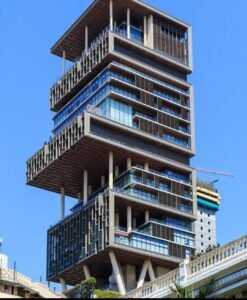
India’s political parties have repeatedly invoked the rights of Muslims when electoral calculations demand it. Yet a much more uncomfortable question remains unanswered: why have the alleged irregularities involving valuable Waqf properties, including the land on which Mukesh Ambani’s Antilia was constructed, never received the sustained political accountability that Muslim political representation deserves?
The Congress party cannot demand that Muslims trust its commitment to Waqf protection merely because it opposes a Waqf amendment. It must also answer for the record of governments it led.
Equally, the BJP cannot escape scrutiny by blaming the Congress. Successive governments have a responsibility to protect public resources, investigate alleged corporate wrongdoing and ensure that powerful industrialists are not treated differently from ordinary citizens.
Two controversies deserve particular attention: the Antilia land transaction in Mumbai and the long-running ONGC–Reliance natural gas dispute in the Krishna-Godavari Basin.
These are not identical legal cases. But together, they raise a fundamental question about political accountability and the influence of corporate power over India’s institutions.

1\. Antilia: The Waqf land controversy that Congress cannot simply ignore


(https://images.openai.com/static-rsc-4/8cdhS0RUt8K2B6AL8pjcfIUOOus8y2WuEkB8K7agkYrVnNmqgskDuiUKBzac9k8cBDjujpDGIgr-fKNHZRq3lGwdCRBEKe4J4fwfgEhsVpY7wvgV8FW-boSd2uYJHc26nhse-6jvl_sKwVDmsqG24z05icIMaP7QSHfuzn2YP_iRYG2_wcODF6FgCXtq4c9p?purpose=fullsize)

The controversy surrounding Antilia is not an allegation invented on social media. It has a documented history dating back to the 2000s.
The property in question measures approximately 4,532 square metres at Altamount Road, Mumbai. It was associated with the Currimbhoy Ebrahim Khoja Orphanage Trust, a charitable institution established to support disadvantaged children.
In 2007, the Maharashtra State Board of Waqfs issued a notice to Antilia Commercial Private Limited, questioning the legality of the land transfer and seeking restoration of the property under the Waqf Act.
The transaction involved approximately ₹21.05 crore. Reports also documented the payment of ₹16 lakh to the Waqf Board in connection with the transaction. The Economic Times +2
In 2010, The Indian Express reported that a Pune-based advocate and member of the Maharashtra State Waqf Board had complained to the Central Vigilance Commission, alleging that 4,532 square metres of Waqf land had been illegally transferred for the construction of Antilia.
The complaint also raised questions about the difference between the transaction price and the property’s alleged market value. Mumbai News – The Indian Express +1
The Maharashtra Waqf Board subsequently maintained that the transfer was illegal. In an affidavit reported in 2017, a state government official described irregularities in the earlier ratification process. Live Law +1
These records demand answers. They do not, by themselves, establish that Mukesh Ambani personally committed theft or that any named Union minister accepted money.
### 2\. The political timeline: A crucial correction that Congress must answer
There is an important chronological distinction that must not be overlooked.
The original Antilia land transaction took place in 2002, before Dr Manmohan Singh became Prime Minister in May 2004. Therefore, it would be inaccurate to claim that he personally authorised the original 2002 sale.
However, the controversy did not end with the original transaction.
The subsequent Waqf Board proceedings, including the disputed ratification of March 2005, occurred during the UPA period. In its 2017 affidavit before the Bombay High Court, the Maharashtra State Board of Waqfs’ acting CEO alleged that irregularities had occurred in the 2005 ratification.
That is a legitimate basis for demanding answers about the conduct of officials and political authorities during the Congress-led government’s tenure. Live Law +1
The questions for Congress are straightforward:
* What action did the Union Minority Affairs Ministry take after the allegations became public?
* What was the role of the Maharashtra government and the Waqf Board in permitting or subsequently ratifying the transaction?
* Was the land’s charitable purpose adequately protected?
* Were the allegations independently investigated, and were the findings acted upon?
The names of Salman Khurshid and Tariq Anwar have been raised in the political allegations supplied for this article. However, the material presently available does not establish that either individual facilitated the transaction in exchange for payment or acted as an intermediary for Ambani. Such allegations require documentary evidence, not political insinuation.
That distinction makes the investigation stronger, not weaker.
3\. The ONGC gas controversy: A much more serious judicial development


The second controversy concerns allegations of natural gas migration from ONGC’s adjoining offshore blocks into Reliance Industries’ KG-D6 block.
Here, the documentary and judicial record is particularly significant.
ONGC raised concerns that gas reservoirs in its blocks and Reliance’s neighbouring block were interconnected, potentially allowing gas from ONGC’s area to migrate into the Reliance production area.
ONGC approached the Delhi High Court in 2014, alleging that Reliance had benefited from gas originating in ONGC’s blocks.
The government subsequently appointed a committee headed by former Delhi High Court Chief Justice A.P. Shah. Following the committee’s findings, the Union Government issued a demand notice in November 2016 seeking approximately US$1.552 billion, plus additional claimed profit petroleum and interest.
Reliance disputed the government’s claim and invoked arbitration. Delhi High Court +2
But what happened next deserves particular attention.
The Delhi High Court judgment of 14 February 2025
Major judicial development
In February 2025, a Division Bench of the Delhi High Court delivered a significant judgment in the Union government’s appeal against Reliance.
The court found that:
* Gas had migrated from the ONGC blocks into the Reliance block.
* Reliance had failed to disclose the 2003 DeGolyer and MacNaughton report as required under its production-sharing contract.
* The failure to disclose was material.
* Reliance had extracted migrated gas without explicit government permission.
* The arbitral award that had favoured Reliance was legally erroneous.
The court specifically observed that Reliance had obtained substantial benefits from the extraction of migrated gas at the expense of the public exchequer.
It set aside both the earlier arbitral award and the single-judge order that had upheld it, allowing the Union government’s appeal. Delhi High Court +2
This is not merely a political allegation. These are findings recorded in a judicial judgment.
However, it is important to distinguish gas migration from the separate claim of deliberate physical pipeline theft. The court’s findings concern reservoir connectivity, extraction and nondisclosure, not proof that underwater pipelines were secretly installed to steal gas.
Has the matter been settled-No.?
On 31 October 2026, the Supreme Court referred the continuing Centre–Reliance dispute to mediation under former Supreme Court judge Justice Ranjana Prakash Desai.
The matter therefore remains a live legal and financial controversy. The Supreme Court’s mediation referral must not be misrepresented as a final criminal conviction or a final determination of every monetary claim. Legal News – The Indian Express +1
AThis raises a legitimate question for both Congress and the BJP:
Why should a dispute involving billions of dollars in public natural resources remain without a final negotiated or judicial resolution after so many years?
And why should citizens not demand a transparent account of the money claimed, the money recovered and the responsibility of officials who supervised the process?
4\. The Sachar Committee: Social justice in reports, but where was implementation ?

The Congress-led UPA government appointed the Sachar Committee, which submitted its report in 2006.
The report documented the socioeconomic disadvantages faced by Muslims and highlighted the enormous potential of Waqf properties to improve education, employment and social welfare.
Its recommendations included stronger Waqf administration, better financial auditing and protection against encroachments.
One particularly important recommendation was that encroachment on Waqf properties should be treated lint on government land, with appropriate mechanisms for eviction and recovery of dues. Politics for India +1
But consider the contradiction.
If Waqf properties were genuinely intended to become an economic resource for disadvantaged Muslims, why did successive governments fail to establish an effective system to protect them?
What is the value of a committee report if the land meant for orphanages, schools, hospitals and poor families becomes the subject of controversial transactions involving some of India’s wealthiest interests?
The Sachar Committee must not become a political certificate that Congress can display whenever it wants Muslim votes.
Muslims need implementation, not commemorative reports.
5\. Congress’s opposition to the Waqf Bill: A question of political credibility
The Congress party has positioned itself as an opponent of the BJP’s Waqf legislation and has repeatedly invoked the protection of Muslim religious and charitable properties.
There is nothing wrong with opposing legislation believed to undermine constitutional safeguards or the autonomy of Waqf institutions.
But political opposition to a new law cannot erase the record of previous governments.
Congress must answer why the Antilia land controversy was not conclusively resolved during its years in power.
Why should Muslims accept speeches about Waqf protection without demanding answers about the controversial transfer of a property associated with an orphanage?
Why should the party demand accountability from the BJP while avoiding accountability for the decisions and administrative failures of its own governments?
The BJP, meanwhile, cannot present itself as the protector of Muslim interests simply by criticising Congress.

The 2025 Delhi High Court judgment in the Reliance gas dispute also demonstrates why the present government must be pressed to protect public resources and pursue the legal process transparently.
The political establishment cannot have one standard for ordinary citizens and another for powerful corporate groups.
6\. The Ambani–Congress–BJP question: Who protects whom ?

The political question is bigger than one industrialist or one political party.
India has witnessed successive governments of different political colours. Yet controversies involving powerful corporate interests repeatedly raise questions about the effectiveness of regulatory institutions.
The Antilia controversy involves a charitable property and the responsibility of Maharashtra’s Waqf administration.

The KG Basin dispute involves the extraction of a scarce national resource and the government’s constitutional responsibility to protect public wealth.
Neither controversy should be converted into an excuse for making unsupported allegations against individual politicians.
But neither should they be buried under the weight of corporate influence, political friendships or electoral convenience.
The public deserves answers about:
* The complete ownership and legal history of the Antilia plot.
* The Charity Commissioner’s permission and the Waqf Board’s subsequent proceedings.
* The March 2005 ratification and the officials responsible for it.
* The role, if any, of the Union Minority Affairs Ministry and individual ministers in the matter.
* The amount of migrated gas established by the technical studies and the financial claims arising from it.
* The outcome of the Supreme Court proceedings and the amount ultimately recovered by the government.
There have also been claims circulating online that a Delhi High Court case file concerning Reliance’s alleged gas extraction went missing. I have not found reliable documentary evidence establishing that allegation. It should not be presented as fact without the relevant court registry record.
7\. The real betrayal: Muslim votes are not political property
Congress must understand that Muslims are no longer obliged to accept electoral speeches as proof of political commitment.
The BJP must understand that Muslim Waqf properties are not legitimate targets for political or administrative interference.
And corporate India must understand that national resources and charitable properties cannot be treated as private opportunities.
The Waqf debate should not be restricted to whether Congress or BJP can mobilise more Muslim voters.
It should be about whether the orphanage, school, hospital and charitable institution for whose benefit Waqf property exists can actually recover and protect its assets.
If Congress genuinely believes in Waqf protection, let it publish the record of what its governments did about the Antilia controversy.
If the BJP genuinely believes in accountability, let it publish the complete status of the Waqf proceedings and pursue the ONGC–Reliance dispute without political interference.
And if Mukesh Ambani’s companies believe that every transaction was lawful, they should welcome transparent scrutiny and disclosure of the relevant records.
The question is not whether Muslims should support Congress or BJP. The question is why Muslims should continue to trust political parties that demand their votes but have not satisfactorily answered questions concerning the protection of their charitable assets.
Final questions to Rahul Gandhi, Narendra Modi and Mukesh Ambani
* Rahul Gandhi: Will Congress disclose what its governments did to investigate the Antilia Waqf land controversy?
* Narendra Modi: Will your government publish the complete status of the Waqf proceedings and the ONGC–Reliance financial dispute?
* Mukesh Ambani: Will Reliance publicly clarify the complete legal history of the Antilia land transaction and the gas migration findings recorded by the Delhi High Court?
Muslims do not need political patrons. They need their constitutional rights, their institutions and their property protected.
Waqf is not a vote bank. Waqf is a trust. And those entrusted with protecting it must be held accountable.
Ahmed Sohail Siddiqui Chief Editor | Senior Journalist | Author | HudaTaha.com
Important documentary references
For readers who want to examine the original reporting and judicial record:
* [The Indian Express – Complaint to Vigilance: Ambani house on Waqf property (2010)](https://indianexpress.com/article/cities/mumbai/complaint-to-vigilance-ambani-house-on-waqf-property/?utm_source=chatgpt.com).
* [LiveLaw – Maharashtra Waqf Board affidavit concerning Antilia (2017)](https://www.livelaw.in/amp/sale-of-land-for-mukesh-ambanis-house-antilia-illegal-against-provisions-of-wakf-act-maharashtra-state-board-of-wakfs-read-affidavit?utm_source=chatgpt.com).
* [Times of India – Bombay High Court dismisses Antilia PIL (2016)](https://timesofindia.indiatimes.com/city/mumbai/hc-dismisses-plea-on-antilia-land-deal-fines-activist/articleshow/53401044.cms?utm_source=chatgpt.com).
* [Delhi High Court – Union of India v. Reliance Industries, judgment dated 14 February 2025](https://delhihighcourt.nic.in/app/showFileJudgment/59114022025FAC2012023_201510.pdf?utm_source=chatgpt.com).
* [The Indian Express – Supreme Court refers KG Basin dispute to mediation, 31 October 2026](https://indianexpress.com/article/legal-news/kg-basin-gas-dispute-sc-centre-ril-mediation-10943192/?utm_source=chatgpt.com).
* [Sachar Committee recommendations on Waqf protection](https://politicsforindia.com/wp-content/uploads/2020/05/Sachar-Committee-Recommendations-English.pdf?utm_source=chatgpt.com).
********
कांग्रेस, अंबानी और वक्फ का सवाल: क्या वक्फ बिल के नाम पर मुसलमानों को फिर गुमराह किया जा रहा है ?
अंटीलिया, ONGC–रिलायंस गैस विवाद, सच्चर कमेटी और लगातार सत्ता में रही सरकारों की जवाबदेही पर एक खोजपरक राजनीतिक टिप्पणी
लेखक: अहमद सोहेल सिद्दीकी
वरिष्ठ पत्रकार, संपादक एवं लेखक
भारत की राजनीति में मुसलमानों के अधिकारों का सवाल अक्सर चुनावी जरूरतों के अनुसार उठाया जाता रहा है। लेकिन एक असहज सवाल आज भी अनुत्तरित है: जब वक्फ संपत्तियों की सुरक्षा की बात आती है, तो कांग्रेस और दूसरी राजनीतिक पार्टियां उन विवादों पर स्पष्ट जवाब क्यों नहीं देतीं, जिनमें देश के सबसे प्रभावशाली कॉरपोरेट घरानों के नाम सामने आते हैं?
कांग्रेस केवल वक्फ संशोधन विधेयक का विरोध करके मुसलमानों के बीच अपनी विश्वसनीयता बहाल नहीं कर सकती। उसे अपनी सरकारों के कार्यकाल का भी हिसाब देना होगा।
इसी तरह भाजपा भी हर विवाद का ठीकरा कांग्रेस पर फोड़कर अपनी जिम्मेदारी से बच नहीं सकती। लगातार सत्ता में रही सरकारों का दायित्व है कि वे सार्वजनिक संसाधनों, वक्फ संपत्तियों और राष्ट्रीय प्राकृतिक संसाधनों की रक्षा करें।
इस संदर्भ में दो विवाद विशेष रूप से महत्वपूर्ण हैं—मुंबई में अंबानी के अंटीलिया आवास की जमीन का विवाद और कृष्णा-गोदावरी बेसिन में ONGC तथा रिलायंस के बीच प्राकृतिक गैस के प्रवासन और निष्कर्षण का विवाद।
दोनों मामले कानूनी रूप से अलग हैं, लेकिन दोनों एक बड़ा सवाल उठाते हैं: क्या भारत में कॉरपोरेट ताकत के सामने राजनीतिक जवाबदेही कमजोर पड़ जाती है ?
1. अंटीलिया: वक्फ जमीन का विवाद, जिसका जवाब कांग्रेस को देना होगा
मुंबई के अंटीलिया से जुड़ा विवाद केवल सोशल मीडिया का आरोप नहीं है। इसका एक दस्तावेजी इतिहास है।
करीब 4,532 वर्ग मीटर की जमीन मुंबई के अल्टामाउंट रोड पर स्थित थी। यह जमीन करीमभॉय इब्राहिम खोजा अनाथालय ट्रस्ट से जुड़ी थी, जिसकी स्थापना जरूरतमंद बच्चों की सहायता के उद्देश्य से की गई थी।
वर्ष 2007 में महाराष्ट्र राज्य वक्फ बोर्ड ने अंटीलिया कमर्शियल प्राइवेट लिमिटेड को नोटिस जारी किया था। बोर्ड ने जमीन के हस्तांतरण की वैधता पर सवाल उठाते हुए संपत्ति की बहाली की मांग की थी।
इस लेन-देन की कीमत लगभग 21.05 करोड़ रुपये बताई गई थी। रिपोर्टों में वक्फ बोर्ड को 16 लाख रुपये के भुगतान का भी उल्लेख मिलता है।
2010 में द इंडियन एक्सप्रेस ने रिपोर्ट किया कि एक शिकायतकर्ता ने केंद्रीय सतर्कता आयोग के समक्ष शिकायत दर्ज कराई थी। शिकायत में आरोप लगाया गया था कि वक्फ से जुड़ी 4,532 वर्ग मीटर जमीन का अवैध हस्तांतरण अंटीलिया के निर्माण के लिए किया गया।
2017 में महाराष्ट्र वक्फ बोर्ड के एक अधिकारी ने बॉम्बे हाई कोर्ट में दाखिल हलफनामे में पूर्ववर्ती प्रक्रिया में अनियमितताओं का उल्लेख किया।
इन दस्तावेजों के आधार पर जांच और जवाबदेही की मांग पूरी तरह उचित है। हालांकि, ये दस्तावेज अपने आप यह साबित नहीं करते कि मुकेश अंबानी ने व्यक्तिगत रूप से चोरी की या किसी मंत्री ने रिश्वत लेकर जमीन दिलाई।
2. कांग्रेस सरकार का कार्यकाल: राजनीतिक जवाबदेही से बचा नहीं जा सकता
यहां एक महत्वपूर्ण ऐतिहासिक तथ्य स्पष्ट करना जरूरी है।
अंटीलिया की मूल जमीन का लेन-देन 2002 में हुआ था, जबकि डॉ. मनमोहन सिंह मई 2004 में प्रधानमंत्री बने थे। इसलिए यह कहना ऐतिहासिक रूप से गलत होगा कि मूल 2002 का सौदा उन्होंने कराया था।
लेकिन विवाद वहीं समाप्त नहीं हुआ।
वक्फ बोर्ड की बाद की कार्रवाई और मार्च 2005 में विवादित अनुमोदन की प्रक्रिया यूपीए सरकार के कार्यकाल में हुई।
2017 में बॉम्बे हाई कोर्ट के समक्ष दाखिल हलफनामे में मार्च 2005 की प्रक्रिया में अनियमितताओं के आरोप उठाए गए थे।
इसलिए कांग्रेस से सवाल पूछना बिल्कुल जायज है:
– केंद्रीय अल्पसंख्यक कार्य मंत्रालय ने इन आरोपों के सामने आने के बाद क्या कार्रवाई की?
– महाराष्ट्र सरकार और वक्फ बोर्ड के अधिकारियों की क्या भूमिका थी?
– अनाथालय के उद्देश्य के लिए सुरक्षित संपत्ति की रक्षा क्यों नहीं हो सकी?
– क्या स्वतंत्र जांच हुई और उसके निष्कर्षों पर कार्रवाई की गई?
सलमान खुर्शीद और तारिक अनवर के नाम भी इस राजनीतिक विवाद में उठाए गए हैं। लेकिन उपलब्ध दस्तावेजों से यह साबित नहीं होता कि उन्होंने रिश्वत लेकर अंबानी को जमीन दिलाई या किसी दलाल की भूमिका निभाई।
ऐसे आरोपों की पुष्टि के लिए दस्तावेजी प्रमाण आवश्यक हैं।
3. ONGC गैस विवाद: राष्ट्रीय संसाधनों पर कॉरपोरेट जवाबदेही का सवाल
ONGC ने आरोप लगाया था कि उसके समुद्री ब्लॉकों के प्राकृतिक गैस भंडार और रिलायंस के निकटवर्ती KG-D6 ब्लॉक के बीच गैस का प्रवासन हुआ, जिससे रिलायंस को ONGC के क्षेत्र से आने वाली गैस का लाभ मिला।l
2014 में ONGC ने दिल्ली हाई कोर्ट का दरवाजा खटखटाया।
बाद में केंद्र सरकार ने दिल्ली हाई कोर्ट के पूर्व मुख्य न्यायाधीश न्यायमूर्ति ए.पी. शाह की अध्यक्षता में एक समिति गठित की।
समिति के निष्कर्षों के बाद नवंबर 2016 में केंद्र सरकार ने रिलायंस से लगभग 1.552 अरब अमेरिकी डॉलर की मांग की। इसके अतिरिक्त ब्याज और अन्य वित्तीय दावों का भी उल्लेख था।
रिलायंस ने सरकारी दावे को चुनौती दी और मध्यस्थता का रास्ता अपनाया।
14 फरवरी 2025: दिल्ली हाई कोर्ट का महत्वपूर्ण फैसला
दिल्ली हाई कोर्ट की खंडपीठ ने 14 फरवरी 2025 को इस विवाद में महत्वपूर्ण फैसला सुनाया।
अदालत ने पाया कि:
– ONGC के ब्लॉकों से गैस रिलायंस के ब्लॉक में प्रवाहित हुई थी।
– रिलायंस ने 2003 की DeGolyer and MacNaughton रिपोर्ट का आवश्यक खुलासा नहीं किया था।
– यह जानकारी छिपाना महत्वपूर्ण था।
– रिलायंस ने स्पष्ट सरकारी अनुमति के बिना प्रवाहित गैस का निष्कर्षण किया।
– रिलायंस के पक्ष में दिया गया मध्यस्थता निर्णय कानूनी रूप से त्रुटिपूर्ण था।
अदालत ने मध्यस्थता निर्णय और उसे बरकरार रखने वाले एकल न्यायाधीश के आदेश को रद्द कर दिया तथा केंद्र सरकार की अपील स्वीकार कर ली।
यह केवल राजनीतिक आरोप नहीं है। ये न्यायिक फैसले में दर्ज निष्कर्ष हैं।
हालांकि, गैस का प्राकृतिक रूप से एक ब्लॉक से दूसरे ब्लॉक में प्रवाहित होना और समुद्र के नीचे गुप्त पाइपलाइन डालकर चोरी करना दो अलग-अलग बातें हैं। अदालत के निष्कर्षों को जानबूझकर पाइपलाइन चोरी का प्रमाण बताना सही नहीं होगा।
क्या विवाद समाप्त हो गया?
नहीं।
31 अक्टूबर 2026 को सुप्रीम कोर्ट ने केंद्र और रिलायंस के बीच जारी विवाद को न्यायमूर्ति रंजना प्रकाश देसाई की मध्यस्थता में भेजा।
इसलिए विवाद अभी भी एक महत्वपूर्ण कानूनी और वित्तीय प्रश्न बना हुआ है।
अब सवाल है कि सार्वजनिक संसाधनों से संबंधित इतने बड़े विवाद का अंतिम समाधान और वित्तीय जवाबदेही कब सुनिश्चित होगी?
4. सच्चर कमेटी: रिपोर्टें बनीं, लेकिन अमल कहां हुआ?
कांग्रेस नेतृत्व वाली यूपीए सरकार ने सच्चर कमेटी का गठन किया था। कमेटी ने 2006 में अपनी रिपोर्ट प्रस्तुत की।
रिपोर्ट ने मुसलमानों की सामाजिक और आर्थिक पिछड़ेपन की स्थिति उजागर की और बताया कि वक्फ संपत्तियों का सही प्रबंधन शिक्षा, रोजगार और सामाजिक कल्याण के लिए बड़ा संसाधन बन सकता है।
रिपोर्ट में वक्फ प्रशासन को मजबूत बनाने, वित्तीय ऑडिट और अतिक्रमण से संपत्तियों की सुरक्षा पर जोर दिया गया था।
लेकिन सवाल है कि यदि वक्फ संपत्तियां मुसलमानों के गरीबों, अनाथों, छात्रों और जरूरतमंदों के कल्याण के लिए थीं, तो उनकी सुरक्षा के लिए प्रभावी व्यवस्था क्यों नहीं बनाई गई?
सच्चर कमेटी की रिपोर्ट कांग्रेस के लिए राजनीतिक प्रमाणपत्र नहीं बन सकती।
मुसलमानों को रिपोर्टों की नहीं, उनके प्रभावी क्रियान्वयन की जरूरत है।
5. वक्फ बिल पर कांग्रेस का विरोध: राजनीतिक विश्वसनीयता की परीक्षा
कांग्रेस ने भाजपा के वक्फ कानून का विरोध करते हुए खुद को वक्फ संपत्तियों और मुस्लिम संस्थानों का समर्थक बताया है।
किसी कानून का विरोध करना लोकतांत्रिक अधिकार है, विशेषकर तब जब उसके प्रावधानों को संवैधानिक अधिकारों और वक्फ संस्थाओं की स्वायत्तता के लिए नुकसानदेह माना जाता हो।
लेकिन नए कानून का विरोध करने से पिछली सरकारों की जिम्मेदारियां समाप्त नहीं हो जातीं।
कांग्रेस को जवाब देना होगा कि उसके शासनकाल में अंटीलिया जमीन विवाद का अंतिम समाधान क्यों नहीं हुआ।
जब कांग्रेस मुसलमानों से समर्थन मांगती है, तो उसे यह भी बताना चाहिए कि उसने वक्फ संपत्तियों के संरक्षण के लिए वास्तव में क्या किया।
भाजपा भी केवल कांग्रेस की गलतियां गिनाकर अपनी जवाबदेही से मुक्त नहीं हो सकती।
6. अंबानी, कांग्रेस और भाजपा: आखिर किसे मिलती है राजनीतिक सुरक्षा?
यह सवाल केवल एक उद्योगपति या एक राजनीतिक पार्टी का नहीं है।
भारत में अलग-अलग राजनीतिक दलों की सरकारें सत्ता में आईं, लेकिन शक्तिशाली कॉरपोरेट घरानों से जुड़े विवाद बार-बार नियामक संस्थाओं की निष्पक्षता पर सवाल उठाते रहे हैं।
अंटीलिया का विवाद एक अनाथालय से जुड़ी संपत्ति और महाराष्ट्र के वक्फ प्रशासन की जिम्मेदारी से संबंधित है।
KG बेसिन का विवाद राष्ट्रीय प्राकृतिक संसाधनों और सरकारी खजाने की सुरक्षा से संबंधित है।
जनता को निम्नलिखित सवालों के जवाब मिलने चाहिए:
1. अंटीलिया की जमीन के स्वामित्व और कानूनी हस्तांतरण का पूरा इतिहास क्या है?
2. चैरिटी कमिश्नर की अनुमति और वक्फ बोर्ड की कार्रवाई का रिकॉर्ड क्या है?
3. मार्च 2005 के अनुमोदन में किन अधिकारियों की भूमिका थी?
4. तत्कालीन केंद्रीय अल्पसंख्यक मंत्रालय और संबंधित मंत्रियों की कोई भूमिका थी या नहीं?
5. ONGC गैस विवाद में तकनीकी जांच के अनुसार कितनी गैस प्रवाहित हुई और कितनी वित्तीय देनदारी बनती है?
6. सुप्रीम कोर्ट की कार्यवाही और मध्यस्थता के बाद सरकार को कितनी राशि प्राप्त हुई?
दिल्ली हाई कोर्ट में गैस चोरी के मामले की फाइल गायब होने के दावे भी सोशल मीडिया पर प्रसारित हुए हैं। लेकिन उपलब्ध विश्वसनीय दस्तावेजों से इसकी पुष्टि नहीं होती। अदालत की रजिस्ट्री के प्रमाण के बिना इसे तथ्य के रूप में प्रकाशित नहीं किया जाना चाहिए।
7. असली विश्वासघात: मुसलमानों का वोट किसी पार्टी की जागीर नहीं
कांग्रेस को समझना होगा कि मुसलमान अब केवल चुनावी भाषणों को राजनीतिक प्रतिबद्धता का प्रमाण मानने के लिए बाध्य नहीं हैं।
भाजपा को समझना होगा कि वक्फ संपत्तियां राजनीतिक या प्रशासनिक हस्तक्षेप का वैध निशाना नहीं हो सकतीं।
और कॉरपोरेट भारत को समझना होगा कि राष्ट्रीय संसाधन तथा धर्मार्थ संपत्तियां निजी लाभ के अवसर नहीं हैं।
वक्फ की बहस इस बात तक सीमित नहीं होनी चाहिए कि कांग्रेस या भाजपा कितने मुस्लिम वोट हासिल कर सकती है।
असल सवाल यह है कि जिस जमीन पर अनाथालय, स्कूल, अस्पताल और धर्मार्थ संस्थान चलने चाहिए, क्या वे वास्तव में जरूरतमंदों के काम आ रहे हैं?
यदि कांग्रेस वास्तव में वक्फ संरक्षण चाहती है, तो उसे अंटीलिया विवाद पर अपनी सरकारों के कार्यकाल का पूरा रिकॉर्ड सार्वजनिक करना चाहिए।
यदि भाजपा जवाबदेही में विश्वास करती है, तो उसे वक्फ विवाद और ONGC–रिलायंस मामले की स्थिति पारदर्शी तरीके से सार्वजनिक करनी चाहिए।
और यदि रिलायंस का मानना है कि सभी लेन-देन कानूनी थे, तो उसे संबंधित दस्तावेजों की पारदर्शी जांच का स्वागत करना चाहिए।
सवाल यह नहीं है कि मुसलमान कांग्रेस का समर्थन करें या भाजपा का। सवाल यह है कि जिन राजनीतिक दलों ने मुसलमानों से वोट मांगे, वे उनकी धर्मार्थ संपत्तियों की सुरक्षा से जुड़े सवालों का संतोषजनक जवाब क्यों नहीं दे सके?
राहुल गांधी, नरेंद्र मोदी और मुकेश अंबानी से सीधे सवाल
– राहुल गांधी: क्या कांग्रेस अंटीलिया वक्फ जमीन विवाद की जांच और कार्रवाई का पूरा रिकॉर्ड सार्वजनिक करेगी?
– नरेंद्र मोदी: क्या आपकी सरकार वक्फ विवाद और ONGC–रिलायंस वित्तीय विवाद की पूरी स्थिति सार्वजनिक करेगी?
– मुकेश अंबानी: क्या रिलायंस अंटीलिया जमीन के कानूनी इतिहास और दिल्ली हाई कोर्ट में दर्ज गैस प्रवासन संबंधी निष्कर्षों पर सार्वजनिक स्पष्टीकरण देगा?
मुसलमानों को राजनीतिक संरक्षकों की आवश्यकता नहीं है। उन्हें अपने संवैधानिक अधिकारों, संस्थाओं और संपत्तियों की सुरक्षा चाहिए।
वक्फ कोई वोट बैंक नहीं है। वक्फ एक अमानत है। और इस अमानत की हिफाजत की जिम्मेदारी जिन लोगों पर है, उन्हें जवाबदेह बनाया जाना चाहिए।
अहमद सोहेल सिद्दीकी
मुख्य संपादक | वरिष्ठ पत्रकार | लेखक
HudaTaha.com
********
کانگریس، امبانی اور وقف کا سوال: کیا وقف بل کے نام پر مسلمانوں کو ایک بار پھر دھوکہ دیا جا رہا ہے؟
انٹیلیا، ONGC–ریلائنس گیس تنازعہ، سچر کمیٹی اور مسلسل برسراقتدار رہنے والی حکومتوں کی جواب دہی پر ایک تحقیقاتی سیاسی تبصرہ
تحریر: احمد سہیل صدیقی
سینئر صحافی، مدیر اور مصنف
ہندوستان کی سیاست میں مسلمانوں کے حقوق کا مسئلہ اکثر انتخابی ضرورتوں کے مطابق اٹھایا جاتا رہا ہے۔ لیکن ایک بنیادی اور تکلیف دہ سوال آج بھی جواب طلب ہے: جب وقف املاک کے تحفظ کی بات آتی ہے تو کانگریس اور دیگر سیاسی جماعتیں ان معاملات پر واضح جواب کیوں نہیں دیتیں جن میں ملک کے طاقتور ترین کارپوریٹ گھرانوں کے نام سامنے آتے ہیں؟
کانگریس صرف وقف ترمیمی بل کی مخالفت کرکے مسلمانوں کے درمیان اپنی سیاسی ساکھ بحال نہیں کرسکتی۔ اسے اپنی حکومتوں کے دور کا حساب بھی دینا ہوگا۔
اسی طرح بی جے پی بھی ہر تنازعے کی ذمہ داری کانگریس پر ڈال کر خود کو بری الذمہ نہیں کرسکتی۔ مسلسل اقتدار میں رہنے والی حکومتوں کی ذمہ داری ہے کہ وہ عوامی وسائل، وقف املاک اور قومی قدرتی وسائل کا تحفظ کریں۔
اس تناظر میں دو تنازعات خصوصی اہمیت رکھتے ہیں: ممبئی میں امبانی کی رہائش گاہ انٹیلیا کی زمین کا تنازعہ اور کرشنا گوداوری بیسن میں ONGC اور ریلائنس کے درمیان قدرتی گیس کی منتقلی اور اس کے استخراج کا تنازعہ۔
یہ دونوں قانونی طور پر الگ معاملات ہیں، لیکن دونوں ایک بڑا سوال اٹھاتے ہیں: کیا ہندوستان میں کارپوریٹ طاقت کے سامنے سیاسی جواب دہی کمزور پڑ جاتی ہے؟
1۔ انٹیلیا: وقف زمین کا تنازعہ، جس کا جواب کانگریس کو دینا ہوگا
ممبئی کے انٹیلیا سے متعلق تنازعہ محض سوشل میڈیا کا الزام نہیں ہے۔ اس کی ایک دستاویزی تاریخ موجود ہے۔
تقریباً 4,532 مربع میٹر زمین ممبئی کے الٹاماؤنٹ روڈ پر واقع تھی۔ اس کا تعلق کریم بھائی ابراہیم کھوجہ یتیم خانہ ٹرسٹ سے تھا، جس کا قیام ضرورت مند بچوں کی مدد کے مقصد سے عمل میں آیا تھا۔
2007 میں مہاراشٹر اسٹیٹ وقف بورڈ نے انٹیلیا کمرشل پرائیویٹ لمیٹڈ کو نوٹس جاری کیا تھا۔ بورڈ نے زمین کی منتقلی کی قانونی حیثیت پر سوال اٹھاتے ہوئے اس کی واپسی کا مطالبہ کیا تھا۔
اس معاملے میں زمین کی قیمت تقریباً 21.05 کروڑ روپے بتائی گئی تھی۔ رپورٹوں میں وقف بورڈ کو 16 لاکھ روپے کی ادائیگی کا بھی ذکر موجود ہے۔
2010 میں دی انڈین ایکسپریس نے رپورٹ شائع کی کہ ایک شکایت کنندہ نے مرکزی ویجیلنس کمیشن کے سامنے شکایت درج کرائی تھی۔ اس میں الزام لگایا گیا تھا کہ وقف سے متعلق 4,532 مربع میٹر زمین غیر قانونی طور پر منتقل کرکے انٹیلیا کی تعمیر کے لیے استعمال کی گئی۔
2017 میں مہاراشٹر وقف بورڈ کے ایک افسر نے بامبے ہائی کورٹ میں داخل کردہ حلف نامے میں سابقہ منظوری کے عمل میں بے ضابطگیوں کا ذکر کیا تھا۔
یہ دستاویزات شفاف تحقیقات اور جواب دہی کا مطالبہ کرنے کے لیے کافی اہم ہیں۔ تاہم، یہ اپنے آپ میں اس بات کا ثبوت نہیں ہیں کہ مکیش امبانی نے ذاتی طور پر چوری کی یا کسی وزیر نے رشوت لے کر زمین دلوائی۔
2۔ کانگریس حکومت کا دور: سیاسی جواب دہی سے فرار ممکن نہیں I j
یہاں ایک اہم تاریخی حقیقت کی وضاحت ضروری ہے۔
انٹیلیا کی زمین کا اصل لین دین 2002 میں ہوا تھا، جبکہ ڈاکٹر منموہن سنگھ مئی 2004 میں وزیر اعظم بنے تھے۔ اس لیے یہ کہنا تاریخی طور پر درست نہیں ہوگا کہ انہوں نے 2002 کے اصل سودے کی منظوری دی تھی۔
لیکن تنازعہ وہیں ختم نہیں ہوا۔
وقف بورڈ کی بعد کی کارروائی اور مارچ 2005 میں متنازعہ منظوری کا معاملہ یو پی اے حکومت کے دور میں پیش آیا۔
2017 میں بامبے ہائی کورٹ کے سامنے داخل حلف نامے میں مارچ 2005 کی کارروائی میں بے ضابطگیوں کے الزامات اٹھائے گئے تھے۔
لہٰذا کانگریس سے سوال کرنا بالکل جائز ہے:
– مرکزی وزارت برائے اقلیتی امور نے ان الزامات کے سامنے آنے کے بعد کیا کارروائی کی؟
– مہاراشٹر حکومت اور وقف بورڈ کے افسران کا کیا کردار تھا؟
– یتیم خانے کے مقصد کے لیے مخصوص زمین کا تحفظ کیوں نہیں ہوسکا؟
– کیا آزادانہ تحقیقات ہوئیں اور ان کے نتائج پر کوئی کارروائی کی گئی؟
سلمان خورشید اور طارق انور کے نام بھی اس سیاسی تنازعے میں اٹھائے گئے ہیں۔ لیکن دستیاب دستاویزات سے یہ ثابت نہیں ہوتا کہ ان دونوں نے رشوت لے کر امبانی کو زمین دلوائی یا کسی دلال کا کردار ادا کیا۔
ایسے الزامات کے لیے دستاویزی ثبوت ضروری ہیں۔
3۔ ONGC گیس تنازعہ: قومی وسائل اور کارپوریٹ جواب دہی کا سوال
ONGC نے الزام لگایا تھا کہ اس کے سمندری بلاکس کے قدرتی گیس ذخائر اور ریلائنس کے قریبی KG-D6 بلاک کے درمیان گیس کی منتقلی ہوئی، جس سے ریلائنس کو ONGC کے علاقے سے آنے والی گیس کا فائدہ حاصل ہوا۔
2014 میں ONGC نے دہلی ہائی کورٹ سے رجوع کیا۔
بعد ازاں مرکزی حکومت نے دہلی ہائی کورٹ کے سابق چیف جسٹس جسٹس اے پی شاہ کی سربراہی میں ایک کمیٹی تشکیل دی۔
کمیٹی کی سفارشات کے بعد نومبر 2016 میں مرکزی حکومت نے ریلائنس سے تقریباً 1.552 ارب امریکی ڈالر کی رقم کا مطالبہ کیا۔ اس کے علاوہ سود اور دیگر مالی دعوے بھی شامل تھے۔
ریلائنس نے سرکاری دعوے کو چیلنج کیا اور ثالثی کا راستہ اختیار کیا۔
14 فروری 2025: دہلی ہائی کورٹ کا اہم فیصلہ
دہلی ہائی کورٹ کی ڈویژن بنچ نے 14 فروری 2025 کو اس تنازعے میں ایک اہم فیصلہ سنایا۔
عدالت نے قرار دیا کہ:
– ONGC کے بلاکس سے گیس ریلائنس کے بلاک میں منتقل ہوئی تھی۔
– ریلائنس نے 2003 کی DeGolyer and MacNaughton رپورٹ کا لازمی انکشاف نہیں کیا تھا۔
– اس معلومات کو چھپانا ایک اہم معاملہ تھا۔
– ریلائنس نے واضح سرکاری اجازت کے بغیر منتقل شدہ گیس کا استخراج کیا۔
– ریلائنس کے حق میں دیا گیا ثالثی فیصلہ قانونی طور پر غلط تھا۔
عدالت نے ثالثی کے فیصلے اور اسے برقرار رکھنے والے سنگل جج کے حکم کو منسوخ کردیا اور مرکزی حکومت کی اپیل منظور کرلی۔
یہ محض سیاسی الزام نہیں بلکہ عدالتی فیصلے میں درج نتائج ہیں۔
تاہم، قدرتی طور پر ایک بلاک سے دوسرے بلاک میں گیس کی منتقلی اور سمندر کے نیچے خفیہ پائپ لائن بچھا کر گیس چوری کرنا دو الگ باتیں ہیں۔ عدالت کے نتائج کو خفیہ پائپ لائن کے ذریعے چوری کا ثبوت قرار دینا درست نہیں ہوگا۔
کیا تنازعہ ختم ہوگیا؟
نہیں۔
31 اکتوبر 2026 کو سپریم کlورٹ نے مرکز اور ریلائنس کے درمیان جاری تنازعے کو جسٹس رنجنا پرکاش دیسائی کی ثالثی میں بھیج دیا۔
اس لیے یہ معاملہ اب بھی ایک اہم قانونی اور مالی تنازعہ ہے۔
سوال یہ ہے کہ عوامی وسائل سے متعلق اتنے بڑے معاملے کا حتمی حل اور مالی جواب دہی کب یقینی بنائی جائے گی؟
4۔ سچر کمیٹی: رپورٹیں تو بنیں، مگر ان پر عمل کہاں ہوا؟
کانگریس کی قیادت والی یو پی اے حکومت نے سچر کمیٹی تشکیل دی تھی، جس نے 2006 میں اپنی رپورٹ پیش کی۔
اس رپورٹ میں مسلمانوں کی سماجی اور معاشی پسماندگی کو اجاگر کیا گیا اور بتایا گیا کہ وقف املاک کا بہتر انتظام تعلیم، روزگار اور سماجی بہبود کے لیے ایک بڑا ذریعہ بن سکتا ہے۔
رپورٹ میں وقف انتظامیہ کو مضبوط بنانے، مالی آڈٹ اور تجاوزات سے املاک کے تحفظ پر زور دیا گیا تھا۔
لیکن سوال یہ ہے کہ اگر وقف املاک مسلمانوں کے غریبوں، یتیموں، طلبہ اور ضرورت مندوں کی فلاح و بہبود کے لیے تھیں تو ان کے تحفظ کا مؤثر نظام کیوں قائم نہیں کیا گیا؟
سچر کمیٹی کی رپورٹ کانگریس کے لیے سیاسی سرٹیفکیٹ نہیں بن سکتی۔
مسلمانوں کو رپورٹوں کی نہیں بلکہ ان پر مؤثر عمل درآمد کی ضرورت ہے۔
5۔ وقف بل پر کانگریس کی مخالفت: سیاسی اعتبار کا امتحان
کانگریس نے بی جے پی کے وقف قانون کی مخالفت کرتے ہوئے خود کو وقف املاک اور مسلم اداروں کا حامی قرار دیا ہے۔
کسی قانون کی مخالفت کرنا جمہوری حق ہے، خصوصاً جب اس کے ضابطوں کو آئینی حقوق اور وقف اداروں کی خودمختاری کے لیے نقصان دہ سمجھا جاتا ہو۔
لیکن نئے قانون کی مخالفت کرنے سے سابقہ حکومتوں کی ذمہ داریاں ختم نہیں ہوجاتیں۔
کانگریس کو جواب دینا ہوگا کہ اس کے دور حکومت میں انٹیلیا زمین تنازعے کا حتمی حل کیوں نہیں نکالا گیا۔
جب کانگریس مسلمانوں سے حمایت مانگتی ہے تو اسے یہ بھی بتانا چاہیے کہ اس نے وقف املاک کے تحفظ کے لیے حقیقت میں کیا اقدامات کیے۔
بی جے پی بھی صرف کانگریس کی غلطیاں گنوا کر اپنی جواب دہی سے آزاد نہیں ہوسکتی۔
6۔ امبانی، کانگریس اور بی جے پی: آخر کس کو سیاسی تحفظ حاصل ہے؟
یہ سوال صرف ایک صنعت کار یا ایک سیاسی جماعت تک محدود نہیں ہے۔
ہندوستان میں مختلف سیاسی جماعتوں کی حکومتیں اقتدار میں آتی رہی ہیں، لیکن طاقتور کارپوریٹ گھرانوں سے متعلق تنازعات بار بار اداروں کی غیر جانب داری پر سوال اٹھاتے رہے ہیں۔
انٹیلیا کا معاملہ ایک یتیم خانے سے متعلق جائیداد اور مہاراشٹر وقف انتظامیہ کی ذمہ داری سے تعلق رکھتا ہے۔
KG بیسن کا معاملہ قومی قدرتی وسائل اور سرکاری خزانے کے تحفظ سے متعلق ہے۔
عوام کو درج ذیل سوالات کے جواب ملنے چاہئیں:
1. انٹیلیا کی زمین کی ملکیت اور قانونی منتقلی کی مکمل تاریخ کیا ہے؟
2. چیریٹی کمشنر کی اجازت اور وقف بورڈ کی کارروائی کا مکمل ریکارڈ کیا ہے؟
3. مارچ 2005 کی منظوری میں کن افسران کا کردار تھا؟
4. اس وقت کی مرکزی وزارت برائے اقلیتی امور اور متعلقہ وزراء کا کوئی کردار تھا یا نہیں؟
5. ONGC گیس تنازعے میں تکنیکی تحقیقات کے مطابق کتنی گیس منتقل ہوئی اور مالی دعوے کی اصل رقم کتنی ہے؟
6. سپریم کورٹ کی کارروائی اور ثالثی کے بعد حکومت کو کتنی رقم حاصل ہوئی؟
دہلی ہائی کورٹ میں گیس چوری کے معاملے کی فائل غائب ہونے کے دعوے بھی سوشل میڈیا پر گردش کرتے رہے ہیں۔ لیکن دستیاب معتبر دستاویزات سے اس دعوے کی تصدیق نہیں ہوتی۔ عدالت کی رجسٹری کے ثبوت کے بغیر اسے حقیقت کے طور پر شائع نہیں کیا جانا چاہیے۔
7۔ اصل دھوکہ: مسلمانوں کے ووٹ کسی سیاسی جماعت کی جاگیر نہیں
کانگریس کو سمجھنا ہوگا کہ مسلمان اب انتخابی تقریروں کو سیاسی وابستگی اور وفاداری کا ثبوت ماننے کے پابند نہیں ہیں۔
بی جے پی کو سمجھنا ہوگا کہ وقف املاک سیاسی یا انتظامی مداخلت کا جائز ہدف نہیں بن سکتیں۔
اور ہندوستان کے کارپوریٹ اداروں کو سمجھنا ہوگا کہ قومی وسائل اور فلاحی املاک نجی منافع کے مواقع نہیں ہیں۔
وقف کی بحث صرف اس سوال تک محدود نہیں ہونی چاہیے کہ کانگریس یا بی جے پی کتنے مسلم ووٹ حاصل کرسکتی ہے۔
اصل سوال یہ ہے کہ جن زمینوں پر یتیم خانے، اسکول، اسپتال اور فلاحی ادارے قائم ہونے چاہئیں، کیا وہ حقیقت میں ضرورت مندوں کے کام آرہی ہیں؟
اگر کانگریس واقعی وقف کے تحفظ کی حامی ہے تو اسے انٹیلیا تنازعے پر اپنی حکومتوں کے دور کا مکمل ریکارڈ عوام کے سامنے پیش کرنا چاہیے۔
اگر بی جے پی واقعی جواب دہی پر یقین رکھتی ہے تو اسے وقف تنازعے اور ONGC–ریلائنس معاملے کی مکمل صورتحال شفاف انداز میں عوام کے سامنے رکھنی چاہیے۔
اور اگر ریلائنس کا موقف ہے کہ تمام معاملات قانونی تھے تو اسے متعلقہ دستاویزات کی شفاف جانچ کا خیر مقدم کرنا چاہیے۔
سوال یہ نہیں کہ مسلمان کانگریس کی حمایت کریں یا بی جے پی کی۔ اصل سوال یہ ہے کہ جن سیاسی جماعتوں نے مسلمانوں سے ووٹ مانگے، وہ ان کی فلاحی املاک کے تحفظ سے متعلق سوالات کا تسلی بخش جواب کیوں نہیں دے سکیں؟
راہل گاندھی، نریندر مودی اور مکیش امبانی سے براہ راست سوالات
– راہل گاندھی: کیا کانگریس انٹیلیا وقف زمین تنازعے کی تحقیقات اور کارروائی کا مکمل ریکارڈ عوام کے سامنے پیش کرے گی؟
– نریندر مودی: کیا آپ کی حکومت وقف تنازعے اور ONGC–ریلائنس مالیاتی تنازعے کی مکمل صورتحال عوام کے سامنے رکھے گی؟
– مکیش امبانی: کیا ریلائنس انٹیلیا زمین کی مکمل قانونی تاریخ اور دہلی ہائی کورٹ میں درج گیس کی منتقلی سے متعلق نتائج پر عوامی وضاحت پیش کرے گی؟
مسلمانوں کو سیاسی سرپرستوں کی ضرورت نہیں ہے۔ انہیں اپنے آئینی حقوق، اداروں اور املاک کے تحفظ کی ضرورت ہے۔
وقف کوئی ووٹ بینک نہیں ہے۔ وقف ایک امانت ہے۔ اور اس امانت کی حفاظت کے ذمہ دار تمام افراد کو جواب دہ ہونا چاہیے۔
احمد سہیل صدیقی
چیف ایڈیٹر | سینئر صحافی | مصنف
HudaTaha.com
****””**