
 Can Israel Say “Bye-Bye, Bibi”?
The October 7 reckoning, the FZ1073 factor and Netanyahu’s attempt to turn a security crisis into an electoral advantage
By Ahmed Sohail Siddiqui
Chief Editor, Journalist, Activist & Author

The question now confronting Israel is not simply whether Benjamin Netanyahu can win another term. It is whether the political narrative that has sustained him since October 7, 2023, can survive the growing demand from survivors, bereaved families and voters for one basic answer:
Who was responsible for the catastrophic failure that allowed Hamas to kill around 1,200 Israelis and take 251 hostages?
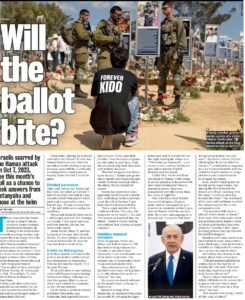
The report Daily Mirror 8th October 2026 shared captures this mood particularly sharply. Its central theme is an Israel still traumatized by October 7, with survivors and relatives of victims increasingly treating the October 27 election as a judgment on the leadership that was in office when the country was attacked.
But the latest evidence also demands an important qualification: Netanyahu is not politically finished, and it would be premature to write his electoral obituary. The polling remains fragmented and contradictory. What can be said is that his political survival is being tested by two competing narratives—accountability for October 7 versus security leadership after October 7.
And that is precisely where FZ1073 enters the political battlefield.
October 7 has become Netanyahu’s central political liability
Three years after the Hamas attack, the issue has not disappeared from Israeli consciousness.
According to an N12 poll reported by the Jerusalem Post, 65% of respondents said Netanyahu bears “a great deal” of personal responsibility for the failures surrounding October 7, while another 22% assigned him “some” responsibility. Sixty-six percent supported establishing a state commission of inquiry.
That is politically significant because Netanyahu’s principal defence has been that the failure belonged to Israel’s security establishment rather than to him personally.
The latest reporting has made that defence more difficult.
Israeli media have reported that senior security officials repeatedly warned Netanyahu during 2023 that Israel’s internal political crisis was damaging deterrence and increasing the danger of conflict. Reports have also emerged concerning alleged warnings from Egypt and the UAE before October 7. Netanyahu denies receiving actionable advance warnings and has continued to blame security chiefs for the failure.
That creates an extraordinarily difficult political question:
If the prime minister was the ultimate political authority responsible for national security, how far can responsibility be transferred downward?
Netanyahu’s answer has essentially been: the generals and intelligence chiefs failed, while his subsequent military leadership restored Israel’s strength.
His opponents’ answer is: the man at the top cannot claim credit for the response while permanently assigning blame for the failure to everyone beneath him.
That argument is now central to the election.
The Israeli electorate is not united against Netanyahu
This is where the political picture becomes much more complicated than a simple “Bye-Bye Bibi” headline.
The Washington Post’s interviews with survivors and bereaved families show a deeply divided electorate. Some victims’ relatives regard the election as a referendum on Netanyahu’s responsibility for October 7. Others, including people personally affected by the attack and hostage crisis, continue to believe Israel needs Netanyahu’s hard-line security approach.
That division matters.
Netanyahu’s political strategy is built around precisely this second constituency.
His message is essentially:
> Israel remains surrounded by enemies; therefore this is not the moment to change the commander.
That is a much more powerful electoral argument in Israel than it might appear from outside the country.
The political contest therefore isn’t simply:
Netanyahu versus Eisenkot.
It is:
Accountability versus security continuity.
And both arguments have real constituencies.
Then came FZ1073
On September 30, Flydubai Flight FZ1073, travelling from Dubai to Tel Aviv with more than 170 people aboard, suffered a terrifying cockpit incident after the co-pilot allegedly attacked the captain.
The aircraft plunged more than 16,000 feet in roughly 30 seconds before passengers and other crew members helped regain control and it eventually landed safely in Tabuk, Saudi Arabia.
The investigation is continuing, and important questions—including the exact motive and the circumstances surrounding the co-pilot’s access to the flight—remain under investigation.
But politically, something remarkable happened almost immediately.
The story moved from aviation security to Israeli national security.
Netanyahu personally met returning passengers and publicly highlighted the incident. Israeli authorities also focused on the apparent security loophole surrounding the Omani co-pilot’s presence on a flight to Israel.
Al Jazeera’s political analysis noted that the incident gave Netanyahu a fresh security narrative just as the election campaign was approaching its decisive phase.
That is the political significance of FZ1073.
But FZ1073 cuts both ways
This is the most important part of the story.
Netanyahu can say:
“Look at what happened to Israelis in the skies. The threats against Israel are real. I warned you. Israel needs experienced security leadership.”
That is a potentially powerful message.
But his opponents can respond:
“Exactly—and who was responsible for preventing the security loophole?”
The second argument has already appeared in Israeli commentary.
A Times of Israel editorial published today explicitly drew a parallel between October 7 and the FZ1073 incident, focusing on alleged failures to prevent threats and questions about responsibility.
And the newest Zman Yisrael polling is particularly interesting because it was conducted on October 7–8—after the FZ1073 incident.
It showed:
Yashar — 24 seats
Likud — 20 seats
Anti-Netanyahu Jewish parties — 55 seats
Netanyahu-supporting parties — 51 seats
Arab-led parties — 14 seats
Neither principal bloc was near the 61-seat majority required in the 120-member Knesset.
That does not prove FZ1073 helped or hurt Netanyahu. Polls cannot establish causation from one event.
But it does tell us something important:
The FZ1073 episode has not, at least in this latest poll, produced an obvious reversal in Netanyahu’s political position.
Indeed, another Channel 13 poll published alongside it gave Netanyahu’s bloc 55 seats versus 50 for the opposing Zionist bloc, demonstrating just how volatile and divided the electorate remains.
Netanyahu’s real electoral weapon: changing the question
This may be the most sophisticated element of the Netanyahu strategy.
The October 7 question is:
> “Who failed Israel?”
The FZ1073 question becomes:
> “Who can protect Israel?”
Those are completely different electoral questions.
If Netanyahu can move the electorate from the first question to the second, he changes the terrain on which he is fighting.
That is why the timing is politically important.
The election is October 27. The third anniversary of October 7 has just dominated national discussion. Reports about alleged advance warnings are receiving renewed attention. Survivors and bereaved families are demanding accountability.
Then comes an attempted attack aboard a plane full of Israelis.
Suddenly Netanyahu can return to his traditional political territory:
terrorism, hostile states, radicalization, intelligence, borders, foreign threats and national security.
That is much more favourable terrain for an incumbent who has spent decades building his political identity around security.
But there is one enormous problem for Netanyahu
The FZ1073 episode also creates an uncomfortable mirror image of October 7.
October 7:
A devastating threat allegedly existed before the attack, but the state failed to prevent the catastrophe.
FZ1073:
A dangerous individual allegedly passed through security systems and entered the cockpit, but the aircraft was ultimately saved by the captain, passengers and other crew.
In other words:
October 7 is fundamentally a story of prevention failure.
FZ1073 is simultaneously a story of prevention failure and successful human intervention.
That distinction could become politically important.
Because Netanyahu can celebrate the people who saved FZ1073—but Israeli voters can also ask:
Why wasn’t the threat stopped before it reached the cockpit?
That question is especially potent because Israeli authorities themselves have acknowledged a loophole in the system. AP reported that Netanyahu said there had been a loophole involving the Omani co-pilot and that Israel was taking steps to address it.
The “hero narrative” may therefore not automatically become a “Netanyahu narrative”
This is where the political symbolism becomes fascinating.
The heroes of FZ1073 were not politicians.
They were the captain, passengers and crew members who physically intervened to prevent disaster.
Netanyahu can associate himself with that story, meet survivors and present it as another example of Israel overcoming terrorism.
But voters may distinguish between:
the people who saved the aircraft &
the political leadership responsible for preventing threats in the first place.
That distinction could determine whether FZ1073 becomes an electoral asset or simply another security controversy.
The latest polling makes one conclusion impossible
It is impossible to responsibly say today:
“Netanyahu is going to lose.”
But it is equally impossible to say:
“Netanyahu has regained the election.”
The evidence shows a genuinely unsettled contest.
The latest Zman Yisrael poll has Eisenkot’s party four seats ahead of Likud and the anti-Netanyahu Jewish bloc four seats ahead of Netanyahu’s bloc. Yet Channel 13 simultaneously showed Netanyahu’s bloc ahead.
And even where Netanyahu’s bloc is ahead, neither side is approaching the 61-seat threshold on its own.
That means the post-election coalition arithmetic could be as important as the party vote itself.
What Netanyahu is trying to do now
The emerging strategy can be understood as a three-part political counterattack:
1. Shift responsibility backward
Keep arguing that October 7 was fundamentally an intelligence/security-establishment failure.
2. Shift the public conversation forward
Talk about the threats Israel faces now rather than allowing the campaign to remain solely a trial of what happened in 2023.
3. Convert security incidents into a leadership argument
FZ1073 provides precisely the kind of real-time security incident that allows Netanyahu to say:
“The threats haven’t ended. This is not the time for political experimentation.”
That is the political logic behind his use of the episode.
But the opposition has an equally simple counter-question
If Netanyahu says:
“I am the leader who can protect Israel from external threats,”
his opponents can ask:
“Then who takes responsibility when the threat gets inside?”
That question connects October 7, the alleged advance warnings, the intelligence failures and FZ1073 into one broader issue:
Accountability for national security.
And that may be more important to the election than the individual incidents themselves.
The real battle: memory versus fear
The election is now being fought between two powerful emotions.
Memory:
The memory of October 7, the dead, the hostages, the destroyed communities and the demand to know how Israel’s security system failed.
Fear:
The fear that removing an experienced security leader could expose Israel to even greater danger.
Netanyahu’s political survival depends heavily on the second emotion overpowering the first.
His opponents are attempting to make the first emotion decisive.
That is why the October 7 anniversary is so politically consequential—and why FZ1073 arrived at such a consequential moment.
Can the FZ1073 “victory” save Netanyahu?
The answer should be framed carefully.
FZ1073 undoubtedly gives Netanyahu a new security narrative. It allows him to present himself as the leader confronting continuing threats to Israelis.
But there is no evidence yet that the incident has translated into a durable electoral shift.
In fact, the newest Zman Yisrael survey, conducted after the incident, still showed the opposition bloc ahead, while another contemporaneous poll showed Netanyahu’s bloc ahead.
So the flight may give Netanyahu another political weapon, but it does not provide a demonstrable electoral rescue.
And there is a deeper irony:
The same FZ1073 incident Netanyahu can use to argue that Israelis need him for security can also be used by his critics to ask why the security system failed to detect or prevent the threat.
That is why the incident is politically double-edged.
The “Bye-Bye Bibi?” question remains open
The most accurate headline today is therefore not “Bye-Bye Bibi” and not “Bibi is back.”
It is:
“Israel’s October 27 election has become a referendum on two competing definitions of security.”
One says:
> Netanyahu failed on October 7 but subsequently restored Israel’s military strength.
The other says:
> A leader cannot permanently claim the victories while transferring responsibility for the failures to his security establishment.
FZ1073 has strengthened the first argument and simultaneously supplied material for the second.
The latest polling shows no settled outcome, and the coalition mathematics remain exceptionally complicated.
So the decisive question is not whether Netanyahu can create another dramatic security narrative.
He clearly can.
The decisive question is whether Israeli voters will ultimately ask:
“Who makes us feel safer?”
or
“Who should be held accountable for failing to keep us safe?”
October 27 will show which of those two questions carries greater weight—but the available evidence today does not justify predicting the winner.
Ahmed Sohail Siddiqui
Chief Editor, Journalist, Activist & Author
********
क्या इज़राइल “बाय-बाय, बीबी” कहने की ओर बढ़ रहा है ?
7 अक्टूबर की जवाबदेही, FZ1073 का मुद्दा और नेतन्याहू की अपने राजनीतिक विरोधियों के खिलाफ बाज़ी पलटने की कोशिश
लेखक: अहमद सोहेल सिद्दीकी
चीफ़ एडिटर, पत्रकार, एक्टिविस्ट एवं लेखक
इज़राइल के सामने अब सवाल केवल यह नहीं है कि बेंजामिन नेतन्याहू अगला कार्यकाल हासिल कर पाएंगे या नहीं। बड़ा सवाल यह है कि 7 अक्टूबर 2023 के बाद से उनकी सत्ता को सहारा देने वाली राजनीतिक कहानी क्या उन बचे हुए लोगों, शोकाकुल परिवारों और मतदाताओं की बढ़ती मांग का सामना कर सकती है, जो एक सीधा जवाब चाहते हैं:
वह कौन था जिसकी जिम्मेदारी थी कि 7 अक्टूबर की उस भयावह विफलता को रोका जाता, जिसमें लगभग 1,200 इज़राइली मारे गए और 251 लोगों को बंधक बना लिया गया?
Daily Mirror 8th October 2026 द्वारा साझा की गई रिपोर्ट इस माहौल को बेहद स्पष्ट रूप से सामने रखती है। इसका केंद्रीय मुद्दा है—7 अक्टूबर के सदमे से अब भी जूझ रहा इज़राइल, जहां पीड़ित परिवारों और बचे हुए लोगों का एक हिस्सा 27 अक्टूबर के चुनाव को उस नेतृत्व की परीक्षा के रूप में देख रहा है जो हमले के समय सत्ता में था।
लेकिन यहां एक महत्वपूर्ण सावधानी जरूरी है: नेतन्याहू को राजनीतिक रूप से समाप्त मान लेना अभी जल्दबाजी होगी। मौजूदा सर्वेक्षण विभाजित और परस्पर विरोधी तस्वीर पेश कर रहे हैं। इतना जरूर कहा जा सकता है कि उनकी राजनीतिक स्थिति दो प्रतिस्पर्धी नैरेटिव के बीच परखी जा रही है—
7 अक्टूबर की जवाबदेही बनाम 7 अक्टूबर के बाद की सुरक्षा-नेतृत्व की भूमिका।
और यहीं FZ1073 राजनीतिक बहस में प्रवेश करता है।
7 अक्टूबर नेतन्याहू की सबसे बड़ी राजनीतिक चुनौती बन चुका है
हमास के हमले के तीन वर्ष बाद भी यह मुद्दा इज़राइली राजनीति से गायब नहीं हुआ है।
इज़राइली मीडिया में प्रकाशित एक N12 सर्वेक्षण के अनुसार, 65 प्रतिशत उत्तरदाताओं ने कहा कि 7 अक्टूबर की विफलताओं के लिए नेतन्याहू व्यक्तिगत रूप से “बहुत बड़ी जिम्मेदारी” रखते हैं, जबकि 22 प्रतिशत ने उन्हें “कुछ जिम्मेदारी” दी। 66 प्रतिशत लोगों ने राज्य-स्तरीय जांच आयोग गठित करने का समर्थन किया।
यही वह बिंदु है जहां नेतन्याहू की राजनीतिक दलील कठिन हो जाती है।
उनका बचाव मूलतः यह रहा है कि विफलता राजनीतिक नेतृत्व की नहीं, बल्कि इज़राइल की सुरक्षा और खुफिया व्यवस्था की थी।
विरोधियों का तर्क है:
यदि प्रधानमंत्री राष्ट्रीय सुरक्षा के सर्वोच्च राजनीतिक अधिकारी हैं, तो जिम्मेदारी कितनी दूर तक नीचे के अधिकारियों पर डाली जा सकती है?
नेतन्याहू का उत्तर लगभग यह रहा है कि सुरक्षा और खुफिया प्रमुखों ने विफलता की, जबकि उनके नेतृत्व में बाद की सैन्य कार्रवाई ने इज़राइल की शक्ति बहाल की।
उनके आलोचकों का जवाब है:
जो व्यक्ति सफलता का श्रेय लेता है, वह विफलता की जिम्मेदारी हमेशा अपने अधीनस्थों पर नहीं डाल सकता।
यही बहस अब चुनाव का केंद्रीय हिस्सा बन चुकी हl
लेकिन इज़राइली मतदाता नेतन्याहू के खिलाफ एकमत नहीं हैं
यहीं तस्वीर सरल “बाय-बाय बीबी” से कहीं अधिक जटिल हो जाती है।
सर्वाइवरों और मृतकों के परिवारों से हुई बातचीत बताती है कि इज़राइली समाज गहराई से विभाजित है।
कुछ पीड़ित परिवार 7 अक्टूबर की जिम्मेदारी के लिए नेतन्याहू को जवाबदेह मानते हैं। दूसरी ओर, कुछ ऐसे लोग भी हैं जो स्वयं हमले से प्रभावित हुए और बंधक संकट का सामना कर चुके हैं, फिर भी मानते हैं कि इज़राइल को नेतन्याहू की कठोर सुरक्षा नीति की जरूरत है।
यही नेतन्याहू की राजनीतिक रणनीति का केंद्र है।
उनका संदेश मूलतः यह है:
> “इज़राइल चारों ओर से दुश्मनों से घिरा है; इसलिए यह समय नेतृत्व बदलने का नहीं है।”
इज़राइल जैसे देश में यह तर्क राजनीतिक रूप से बेहद प्रभावशाली हो सकता है।
इसलिए चुनाव को केवल:
नेतन्याहू बनाम आइज़नकोट
के रूप में देखना अधूरा होगा।
असल मुकाबला है:
जवाबदेही बनाम सुरक्षा की निरंतरता।
और दोनों पक्षों के पास अपना समर्थन आधार है।
फिर आया FZ1073
30 सितंबर को दुबई से तेल अवीव जा रही Flydubai Flight FZ1073 में एक बेहद गंभीर कॉकपिट घटना हुई।
रिपोर्टों के अनुसार, सह-पायलट ने कथित रूप से कप्तान पर हमला किया। विमान लगभग 16,000 फीट नीचे आया और कुछ समय के लिए गंभीर संकट की स्थिति में पहुंच गया। बाद में यात्रियों और क्रू की मदद से स्थिति संभाली गई और विमान अंततः सऊदी अरब के तबूक में सुरक्षित उतरा।
घटना की जांच जारी है और इसके उद्देश्य तथा सुरक्षा प्रक्रिया से जुड़े कई प्रश्न अभी जांच के अधीन हैं।
लेकिन राजनीतिक रूप से एक महत्वपूर्ण बदलाव हुआ:
कहानी विमानन सुरक्षा से निकलकर इज़राइली राष्ट्रीय सुरक्षा के प्रश्न में बदल गई।
नेतन्याहू ने लौटने वाले यात्रियों से मुलाकात की और इस घटना को सार्वजनिक रूप से महत्व दिया।
यहीं से FZ1073 का राजनीतिक महत्व शुरू होता है।
लेकिन FZ1073 दोनों तरफ से वार करता है
यही इस पूरी कहानी का सबसे महत्वपूर्ण पहलू है।
नेतन्याहू कह सकते हैं:
“देखिए, इज़राइलियों के लिए आसमान में भी खतरे मौजूद हैं। खतरा वास्तविक है। इज़राइल को अनुभवी सुरक्षा नेतृत्व चाहिए।”
यह एक प्रभावशाली राजनीतिक संदेश हो सकता है।
लेकिन उनके विरोधी पूछ सकते हैं:
“ठीक है—लेकिन उस सुरक्षा खामी के लिए जिम्मेदार कौन था जिसने कथित खतरे को विमान के कॉकपिट तक पहुंचने दिया?”
यही सवाल 7 अक्टूबर की बहस से जुड़ जाता है।
क्योंकि FZ1073 केवल बचाव की कहानी नहीं है।
यह एक सुरक्षा विफलता और सफल मानवीय हस्तक्षेप—दोनों की कहानी है।
क्या FZ1073 नेतन्याहू के लिए “हीरो नैरेटिव” बन सकता है?
यहां राजनीतिक प्रतीकवाद महत्वपूर्ण है।
FZ1073 के वास्तविक नायक राजनेता नहीं थे।
वे थे:
कप्तान, क्रू और वे यात्री जिन्होंने संभावित त्रासदी को रोकने में भूमिका निभाई।
नेतन्याहू इस कहानी को इज़राइल की सुरक्षा क्षमता से जोड़ सकते हैं।
लेकिन मतदाता यह अंतर भी कर सकते हैं:
विमान को बचाने वाले लोग कौन थे
और
खतरे को पहले रोकने की जिम्मेदारी किसकी थी।
यही अंतर FZ1073 को राजनीतिक रूप से दोधारी मुद्दा बना देता है।
सबसे महत्वपूर्ण सवाल: क्या नेतन्याहू इस घटना से अपनी राजनीतिक स्थिति बदल सकते हैं?
इसका कोई निश्चित उत्तर अभी उपलब्ध नहीं है।
ताजा सर्वेक्षण एक-दूसरे से अलग तस्वीर पेश कर रहे हैं।
कुछ सर्वेक्षणों में नेतन्याहू विरोधी खेमे को बढ़त दिखाई गई है, जबकि दूसरे सर्वेक्षणों में नेतन्याहू समर्थक गठबंधन आगे दिखाई देता है।
और सबसे महत्वपूर्ण बात यह है कि किसी भी प्रमुख खेमे के पास अकेले 120 सदस्यीय नेसेट में सरकार बनाने के लिए आवश्यक 61 सीटों का स्पष्ट आंकड़ा नहीं दिखाई देता।
इसलिए चुनाव के बाद बनने वाले गठबंधन उतने ही महत्वपूर्ण हो सकते हैं जितना कि स्वयं चुनाव परिणाम।
नेतन्याहू की संभावित राजनीतिक रणनीति
उनकी रणनीति को तीन हिस्सों में समझा जा सकता है:
1. जिम्मेदारी पीछे की ओर भेजना
7 अक्टूबर को मुख्यतः खुफिया और सुरक्षा प्रतिष्ठान की विफलता बताना।
2. बहस को आगे की ओर मोड़ना
अतीत की विफलता के बजाय इज़राइल के सामने मौजूद मौजूदा सुरक्षा खतरों पर ध्यान केंद्रित करना।
3. सुरक्षा घटनाओं को नेतृत्व के तर्क में बदलना
FZ1073 उन्हें यह कहने का अवसर देता है:
“खतरे समाप्त नहीं हुए हैं। ऐसे समय में अनुभवी सुरक्षा नेतृत्व को बदलना उचित नहीं होगा।”
यही वह राजनीतिक तर्क है जिसमें FZ1073 महत्वपूर्ण हो सकता है।
लेकिन विपक्ष के पास भी सीधा सवाल है
यदि नेतन्याहू कहते हैं:
“मैं वह नेता हूं जो इज़राइल को बाहरी खतरों से सुरक्षित रख सकता है,”
तो विरोधी पूछ सकते हैं:
“फिर जब खतरा अंदर तक पहुंच गया, तो जिम्मेदारी किसकी है?”
यह सवाल 7 अक्टूबर, कथित पूर्व चेतावनियों, खुफिया विफलताओं और FZ1073 को एक व्यापक मुद्दे से जोड़ता है:
राष्ट्रीय सुरक्षा में जवाबदेही।
असली चुनावी संघर्ष: स्मृति बनाम भय
अब चुनाव दो शक्तिशाली भावनाओं के बीच लड़ा जा रहा है।
स्मृति
7 अक्टूबर की याद—मृतक, बंधक, तबाह समुदाय और यह जानने की मांग कि इज़राइल की सुरक्षा व्यवस्था कैसे विफल हुई।
भय
यह डर कि एक अनुभवी सुरक्षा नेता को हटाने से इज़राइल और बड़े खतरे में पड़ सकता है।
नेतन्याहू की राजनीतिक रणनीति काफी हद तक इस बात पर निर्भर करती है कि दूसरा भाव पहले पर कितना भारी पड़ता है।
उनके विरोधी कोशिश कर रहे हैं कि पहला सवाल चुनाव में निर्णायक बने।
क्या FZ1073 नेतन्याहू को बचा सकता है?
इसे सावधानी से देखना होगा।
FZ1073 निश्चित रूप से नेतन्याहू को एक नया सुरक्षा नैरेटिव देता है।
लेकिन अभी ऐसा कोई ठोस प्रमाण नहीं है जिससे कहा जा सके कि इस घटना ने स्थायी रूप से चुनावी रुझान बदल दिया है।
वास्तव में, घटना के बाद के सर्वेक्षण भी इज़राइली मतदाताओं के गहरे विभाजन को दिखाते हैं।
इसलिए FZ1073 नेतन्याहू को एक नया राजनीतिक हथियार दे सकता है, लेकिन इसे अभी चुनावी “बचाव” का प्रमाण कहना उचित नहीं होगा।
विडंबना यह है कि:
जिस FZ1073 घटना को नेतन्याहू यह साबित करने के लिए इस्तेमाल कर सकते हैं कि इज़राइल को उनकी सुरक्षा नेतृत्व की जरूरत है, उसी घटना का इस्तेमाल उनके आलोचक यह पूछने के लिए कर सकते हैं कि सुरक्षा व्यवस्था ने खतरे को पहले क्यों नहीं रोका।
क्या इज़राइल “बाय-बाय बीबी” कहेगा?
आज सबसे सटीक निष्कर्ष यह नहीं है कि:
“बाय-बाय बीबी”
और न ही यह कि:
“बीबी वापस आ गए।”
बल्कि वास्तविक तस्वीर यह है:
“इज़राइल का चुनाव सुरक्षा की दो अलग-अलग परिभाषाओं पर जनमत-संग्रह बनता जा रहा है।”
एक पक्ष कहता है:
> नेतन्याहू 7 अक्टूबर पर विफल हुए, लेकिन उसके बाद उन्होंने इज़राइल की सैन्य शक्ति को मजबूत किया।
दूसरा पक्ष कहता है:
> जो नेता सफलता का श्रेय लेता है, उसे विफलता की जिम्मेदारी भी स्वीकार करनी चाहिए।
FZ1073 ने पहले तर्क को सामग्री दी है—और उसी समय दूसरे तर्क के लिए भी नया सवाल पैदा किया है।
इसलिए निर्णायक सवाल केवल यह नहीं है:
“कौन हमें अधिक सुरक्षित महसूस कराता है?”
बल्कि यह भी है:
“जब सुरक्षा व्यवस्था विफल होती है, तो जवाबदेही किसकी होती है?”
27 अक्टूबर का चुनाव बताएगा कि इज़राइली मतदाताओं के लिए इनमें से कौन-सा सवाल अधिक महत्वपूर्ण है। लेकिन उपलब्ध साक्ष्यों के आधार पर आज चुनाव के परिणाम की भविष्यवाणी करना उचित नहीं होगा।
अहमद सोहेल सिद्दीकी
चीफ़ एडिटर, पत्रकार, एक्टिविस्ट एवं लेखक
********
کیا اسرائیل “بائے بائے، بی بی” کہنے کی طرف بڑھ رہا ہے؟
7 اکتوبر کی جواب دہی، FZ1073 کا واقعہ اور نیتن یاہو کی سیاسی مخالفین کے خلاف بازی پلٹنے کی کوشش
تحریر: احمد سہیل صدیقی
چیف ایڈیٹر، صحافی، ایکٹوسٹ و مصنف
اسرائیل کے سامنے اب سوال صرف یہ نہیں ہے کہ بن یامین نیتن یاہو اگلی مدتِ اقتدار حاصل کر پائیں گے یا نہیں۔ اصل سوال یہ ہے کہ 7 اکتوبر 2023 کے بعد سے ان کی حکومت کو سہارا دینے والا سیاسی بیانیہ ان بچ جانے والوں، سوگوار خاندانوں اور ووٹروں کی بڑھتی ہوئی اس طلب کا سامنا کر سکتا ہے یا نہیں جو ایک بنیادی سوال کا جواب چاہتے ہیں:
وہ کون تھا جس کی ذمہ داری تھی کہ 7 اکتوبر کی اس تباہ کن ناکامی کو روکا جاتا، جس میں تقریباً 1,200 اسرائیلی ہلاک اور 251 افراد یرغمال بنائے گئے؟
Daily Mirror 8th October 2026 رپورٹ اسرائیل کے موجود ماحول کی ایک واضح تصویر پیش کرتی ہے۔ اس کا بنیادی موضوع ایک ایسا اسرائیل ہے جو اب بھی 7 اکتوبر کے صدمے سے دوچار ہے، جہاں متاثرہ خاندانوں اور حملے سے بچ جانے والے افراد کا ایک حصہ 27 اکتوبر کے انتخابات کو اس قیادت کے احتساب کے طور پر دیکھ رہا ہے جو حملے کے وقت اقتدار میں تھی۔
لیکن یہاں ایک اہم احتیاط ضروری ہے:
نیتن یاہو کو سیاسی طور پر ختم شدہ قرار دینا ابھی قبل از وقت ہوگا۔
موجودہ سروے منقسم اور ایک دوسرے سے مختلف تصویر پیش کر رہے ہیں۔ البتہ یہ ضرور کہا جا سکتا ہے کہ ان کی سیاسی پوزیشن دو متضاد بیانیوں کے درمیان آزمائی جا رہی ہے:
7 اکتوبر کی جواب دہی بمقابلہ 7 اکتوبر کے بعد کی سکیورٹی قیادت۔
اور یہیں سے FZ1073 سیاسی میدان میں داخل ہوتا ہے۔
7 اکتوبر نیتن یاہو کے لیے سب سے بڑا سیاسی چیلنج بن چکا ہے
حماس کے حملے کو تین سال گزرنے کے باوجود یہ مسئلہ اسرائیلی سیاست سے ختم نہیں ہوا۔
اسرائیلی میڈیا میں شائع ہونے والے N12 کے ایک سروے کے مطابق، 65 فیصد جواب دہندگان کا کہنا تھا کہ 7 اکتوبر کی ناکامیوں کے لیے نیتن یاہو ذاتی طور پر “بہت زیادہ ذمہ دار” ہیں، جبکہ مزید 22 فیصد نے انہیں “کچھ ذمہ دار” قرار دیا۔
66 فیصد افراد نے ریاستی تحقیقاتی کمیشن قائم کرنے کی حمایت کی۔
یہی وہ مقام ہے جہاں نیتن یاہو کا دفاع مشکل ہو جاتا ہے۔
ان کا مؤقف بنیادی طور پر یہ رہا ہے کہ ناکامی سیاسی قیادت کی نہیں بلکہ اسرائیل کے سکیورٹی اور انٹیلی جنس نظام کی تھی۔
ان کے مخالفین کا سوال ہے:
اگر وزیراعظم قومی سلامتی کے سب سے اعلیٰ سیاسی ذمہ دار ہیں تو ذمہ داری کتنی دور تک ماتحت افسران پر منتقل کی جا سکتی ہے؟
نیتن یاہو کا جواب تقریباً یہ ہے کہ سکیورٹی اور انٹیلی جنس سربراہان ناکام ہوئے، جبکہ ان کی قیادت میں بعد کی فوجی کارروائی نے اسرائیل کی طاقت بحال کی۔
ان کے ناقدین کا جواب ہے:
جو شخص کامیابی کا کریڈٹ لیتا ہے، وہ ناکامی کی ذمہ داری ہمیشہ اپنے ماتحتوں پر نہیں ڈال سکتا۔
یہی بحث اب انتخابات کا مرکزی حصہ بن چکی ہے۔
لیکن اسرائیلی ووٹر نیتن یاہو کے خلاف متحد نہیں ہیں
یہاں تصویر محض “بائے بائے بی بی” سے کہیں زیادہ پیچیدہ ہو جاتی ہے۔
حملے سے بچ جانے والے افراد اور متاثرہ خاندانوں کے بیانات ایک گہرے منقسم اسرائیلی معاشرے کی تصویر پیش کرتے ہیں۔
کچھ متاثرہ خاندان نیتن یاہو کو 7 اکتوبر کی ناکامی کا ذمہ دار قرار دیتے ہیں۔ دوسری طرف ایسے لوگ بھی ہیں جو خود حملے سے متاثر ہوئے اور یرغمالی بحران کا سامنا کر چکے ہیں، لیکن پھر بھی سمجھتے ہیں کہ اسرائیل کو نیتن یاہو کی سخت سکیورٹی پالیسی کی ضرورت ہے۔
یہی نیتن یاہو کی سیاسی حکمت عملی کا مرکز ہے۔
ان کا پیغام بنیادی طور پر یہ ہے:
> “اسرائیل چاروں طرف سے دشمنوں میں گھرا ہوا ہے؛ اس لیے یہ وقت قیادت تبدیل کرنے کا نہیں ہے۔”
اسرائیل جیسے ملک میں یہ دلیل سیاسی اعتبار سے خاصی طاقتور ہو سکتی ہے۔
اسی لیے انتخابات کو صرف:
نیتن یاہو بمقابلہ آئزن کوٹ
کے طور پر دیکھنا کافی نہیں ہوگا۔
اصل مقابلہ ہے:
جوابدہی بمقابلہ سکیورٹی کا تسلسل۔
اور دونوں مؤقف رکھنے والوں کے پاس اپنا ووٹ بینک موجود ہے۔
پھر FZ1073 کا واقعہ پیش آیا
30 ستمبر کو دبئی سے تل ابیب جانے والی Flydubai پرواز FZ1073 میں ایک انتہائی سنگین کاک پٹ واقعہ پیش آیا۔
رپورٹس کے مطابق شریک پائلٹ نے مبینہ طور پر کپتان پر حملہ کیا۔ طیارہ تقریباً 16,000 فٹ نیچے آیا اور کچھ وقت کے لیے انتہائی خطرناک صورتحال پیدا ہوگئی۔ بعد میں مسافروں اور عملے کی مدد سے صورتحال پر قابو پایا گیا اور طیارہ بالآخر سعودی عرب کے تبوک میں محفوظ اترا۔
واقعے کی تحقیقات جاری ہیں اور اس کے مقصد اور سکیورٹی طریقہ کار سے متعلق متعدد سوالات ابھی زیرِ تحقیق ہیں۔
لیکن سیاسی طور پر ایک اہم تبدیلی ہوئی:
یہ واقعہ ایوی ایشن سکیورٹی سے نکل کر اسرائیلی قومی سلامتی کا مسئلہ بن گیا۔
نیتن یاہو نے واپس آنے والے مسافروں سے ملاقات کی اور واقعے کو عوامی طور پر اہمیت دی۔
یہیں سے FZ1073 کی سیاسی اہمیت شروع ہوتی ہے۔
لیکن FZ1073 دونوں جانب سے وار کرتا ہے
یہ اس پوری کہانی کا سب سے اہم پہلو ہے۔
نیتن یاہو کہہ سکتے ہیں:
“دیکھیے، اسرائیلیوں کے لیے آسمان میں بھی خطرات موجود ہیں۔ خطرہ حقیقی ہے۔ اسرائیل کو تجربہ کار سکیورٹی قیادت کی ضرورت ہے۔”
یہ ایک مؤثر سیاسی پیغام ہو سکتا ہے۔
لیکن ان کے مخالفین پوچھ سکتے ہیں:
“ٹھیک ہے—لیکن اس سکیورٹی خامی کی ذمہ داری کس پر تھی جس نے مبینہ خطرے کو طیارے کے کاک پٹ تک پہنچنے دیا؟”
یہی سوال 7 اکتوبر کی بحث سے جڑ جاتا ہے۔
کیونکہ FZ1073 صرف بچاؤ کی کہانی نہیں ہے۔
یہ بیک وقت:
ایک سکیورٹی ناکامی اور کامیاب انسانی مداخلت کی کہانی ہے۔
کیا FZ1073 نیتن یاہو کے لیے “ہیرو بیانیہ” بن سکتا ہے؟
یہاں سیاسی علامت بہت اہم ہے۔
FZ1073 کے اصل ہیرو سیاست دان نہیں تھے۔
وہ تھے:
کپتان، عملہ اور وہ مسافر جنہوں نے ممکنہ سانحے کو روکنے میں کردار ادا کیا۔
نیتن یاہو اس واقعے کو اسرائیل کی سکیورٹی صلاحیت سے جوڑ سکتے ہیں۔
لیکن ووٹر یہ فرق بھی کر سکتے ہیں:
طیارے کو بچانے والے کون تھے
اور
خطرے کو پہلے ہی روکنے کی ذمہ داری کس کی تھی۔
یہی فرق FZ1073 کو سیاسی اعتبار سے دو دھاری مسئلہ بنا دیتا ہے۔
سب سے اہم سوال: کیا نیتن یاہو اس واقعے سے اپنی سیاسی پوزیشن تبدیل کر سکتے ہیں؟
اس کا ابھی کوئی حتمی جواب موجود نہیں۔
تازہ ترین سروے ایک دوسرے سے مختلف تصویر پیش کر رہے ہیں۔
کچھ سروے نیتن یاہو مخالف کیمپ کو آگے دکھا رہے ہیں، جبکہ دوسرے سروے نیتن یاہو کے حامی اتحاد کو سبقت دے رہے ہیں۔
اور سب سے اہم بات یہ ہے کہ کسی بھی بڑے کیمپ کے پاس 120 رکنی کنیسٹ میں حکومت بنانے کے لیے درکار 61 نشستوں کی واضح اکثریت موجود نظر نہیں آتی۔
اس لیے انتخابات کے بعد بننے والے اتحاد خود انتخابی نتائج جتنے ہی اہم ہو سکتے ہیں۔
نیتن یاہو کی ممکنہ سیاسی حکمت عملی
ان کی حکمت عملی کو تین حصوں میں سمجھا جا سکتا ہے:
1. ذمہ داری کو پیچھے منتقل کرنا
7 اکتوبر کو بنیادی طور پر انٹیلی جنس اور سکیورٹی اسٹیبلشمنٹ کی ناکامی قرار دینا۔
2. بحث کو مستقبل کی طرف موڑنا
ماضی کی ناکامی کے بجائے اسرائیل کو درپیش موجودہ سکیورٹی خطرات پر توجہ مرکوز کرنا۔
3. سکیورٹی واقعات کو قیادت کی دلیل میں تبدیل کرنا
FZ1073 انہیں یہ کہنے کا موقع دیتا ہے:
“خطرات ختم نہیں ہوئے۔ ایسے وقت میں تجربہ کار سکیورٹی قیادت کو تبدیل کرنا مناسب نہیں ہوگا۔”
یہی وہ سیاسی منطق ہے جس میں FZ1073 اہم بن سکتا ہے۔
لیکن اپوزیشن کے پاس بھی ایک سیدھا سوال ہے
اگر نیتن یاہو کہتے ہیں:
“میں وہ رہنما ہوں جو اسرائیل کو بیرونی خطرات سے محفوظ رکھ سکتا ہوں،”
تو ان کے مخالفین پوچھ سکتے ہیں:
“پھر جب خطرہ اندر تک پہنچ گیا تو ذمہ داری کس کی ہے؟”
یہ سوال 7 اکتوبر، مبینہ پیشگی اطلاعات، انٹیلی جنس ناکامیوں اور FZ1073 کو ایک بڑے مسئلے سے جوڑتا ہے:
قومی سلامتی میں جواب دہی۔
اصل انتخابی جنگ: یادداشت بمقابلہ خوف
اب انتخابات دو طاقتور جذبات کے درمیان لڑے جا رہے ہیں۔
یادداشت
7 اکتوبر کی یاد—ہلاک ہونے والے افراد، یرغمالی، تباہ شدہ بستیاں اور یہ جاننے کا مطالبہ کہ اسرائیل کا سکیورٹی نظام کیسے ناکام ہوا۔
خوف
یہ خوف کہ ایک تجربہ کار سکیورٹی رہنما کو ہٹانے سے اسرائیل مزید بڑے خطرے میں پڑ سکتا ہے۔
نیتن یاہو کی سیاسی حکمت عملی کافی حد تک اس بات پر منحصر ہے کہ دوسرا جذبہ پہلے پر کتنا غالب آتا ہے۔
ان کے مخالفین کوشش کر رہے ہیں کہ پہلا سوال انتخابات میں فیصلہ کن بنے۔
کیا FZ1073 نیتن یاہو کو بچا سکتا ہے؟
اس سوال کو احتیاط کے ساتھ دیکھنا ہوگا۔
FZ1073 یقیناً نیتن یاہو کو ایک نیا سکیورٹی بیانیہ فراہم کرتا ہے۔
لیکن ابھی ایسا کوئی ٹھوس ثبوت موجود نہیں جس کی بنیاد پر کہا جا سکے کہ اس واقعے نے مستقل طور پر انتخابی رجحان تبدیل کر دیا ہے۔
واقعے کے بعد سامنے آنے والے سروے بھی اسرائیلی ووٹروں کی گہری تقسیم کو ظاہر کرتے ہیں۔
لہٰذا FZ1073 نیتن یاہو کو ایک نیا سیاسی ہتھیار دے سکتا ہے، لیکن اسے ابھی انتخابی “نجات” کا ثبوت قرار دینا درست نہیں ہوگا۔
اور اس میں ایک گہری ستم ظریفی ہے:
جس FZ1073 واقعے کو نیتن یاہو یہ ثابت کرنے کے لیے استعمال کر سکتے ہیں کہ اسرائیل کو ان کی سکیورٹی قیادت کی ضرورت ہے، اسی واقعے کو ان کے ناقدین یہ پوچھنے کے لیے استعمال کر سکتے ہیں کہ سکیورٹی نظام نے خطرے کو پہلے کیوں نہیں روکا۔
کیا اسرائیل “بائے بائے بی بی” کہے گا؟
آج سب سے درست نتیجہ یہ نہیں ہے کہ:
“بائے بائے بی بی”
اور نہ ہی یہ کہ:
“بی بی واپس آ گئے۔”
بلکہ اصل تصویر یہ ہے:
“اسرائیل کا انتخاب سکیورٹی کی دو مختلف تعریفوں پر عوامی فیصلے میں تبدیل ہوتا جا رہا ہے۔”
ایک مؤقف کہتا ہے:
> نیتن یاہو 7 اکتوبر پر ناکام ہوئے، لیکن اس کے بعد انہوں نے اسرائیل کی فوجی طاقت کو مضبوط کیا۔
دوسرا مؤقف کہتا ہے:
> جو رہنما کامیابی کا کریڈٹ لیتا ہے، اسے ناکامی کی ذمہ داری بھی قبول کرنی چاہیے۔
FZ1073 نے پہلے مؤقف کو مواد فراہم کیا ہے—اور اسی وقت دوسرے مؤقف کے لیے بھی ایک نیا سوال پیدا کیا ہے۔
اس لیے فیصلہ کن سوال صرف یہ نہیں ہے:
“کون ہمیں زیادہ محفوظ محسوس کراتا ہے؟”
بلکہ یہ بھی ہے:
“جب سکیورٹی نظام ناکام ہو جائے تو جواب دہی کس کی ہوتی ہے؟”
27 اکتوبر کا انتخاب یہ ظاہر کرے گا کہ اسرائیلی ووٹروں کے لیے ان دونوں سوالات میں سے کون سا زیادہ اہم ہے۔ تاہم دستیاب شواہد کی بنیاد پر آج انتخابی نتیجے کی پیش گوئی کرنا مناسب نہیں ہوگا۔