
War of Claims, Counterclaims and Power Alignments
The Expanding Iran–US–Israel Confrontation
An Investigative Analysis by Ahmed Sohail Siddiqui
The present geopolitical crisis surrounding Iran has evolved into a maze of accusations, denials, media leaks, strategic realignments, and information warfare. From attacks on energy infrastructure in the Gulf to questions about leadership survival in Tehran, from nuclear allegations to mass mobilization rallies in India—the narrative battlefield appears as intense as the military one.
This article examines the competing claims shaping the conflict.
1. Aramco Attacks: Tehran’s Denial vs Mossad Allegations
Following attacks attributed to Iran on energy and non-military installations in the Middle East—including facilities linked to —Tehran officially denied responsibility. Iranian officials have reiterated a consistent doctrine:
Iran targets only those military bases from which it is directly attacked—specifically US or Israeli installations operating in the region or allied territories such as Britain.
Iran maintains that it does not initiate strikes against civilian or commercial infrastructure unless framed within direct retaliation.
However, a US-based journalist has reportedly claimed that operatives of may be behind certain destabilizing attacks attributed to Iran. According to this report, a small number of individuals suspected of covert involvement have been detained, though official confirmations remain sparse.
The allegation suggests a possible “false flag” strategy aimed at widening the war by provoking regional backlash against Tehran. Israel has neither officially acknowledged nor denied such claims.
2. Is Ayatollah Khamenei Alive?
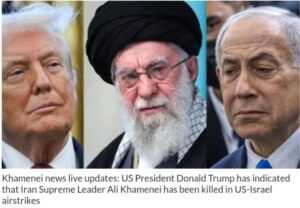
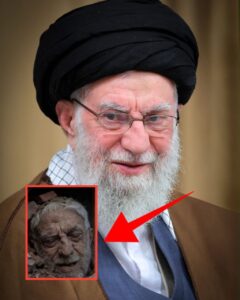
Confusion intensified with viral claims regarding the assassination of . Several social media channels circulated reports alleging his death. Shortly thereafter, televised footage and images appeared showing him addressing the Iranian nation.
Iranian state media insists he is alive and continues to function as Supreme Leader. Critics argue the footage could be pre-recorded. No independent international verification has conclusively settled the matter, fueling speculation and deepening information warfare.
In modern conflicts, perception of leadership stability often carries as much weight as battlefield outcomes.
3. Nuclear Question: Putin Challenges Netanyahu
Israeli Prime Minister has long argued that Iran is pursuing a nuclear weapons capability.
However, Russian President reportedly challenged Israel to provide concrete evidence of an imminent Iranian nuclear weapon. Moscow’s position reflects its broader strategic alignment with Tehran and opposition to unilateral Western military action.
China has also publicly backed Iran diplomatically and reportedly expanded logistical and material cooperation, calling upon Muslim-majority US allies to reconsider their strategic dependency on Washington.
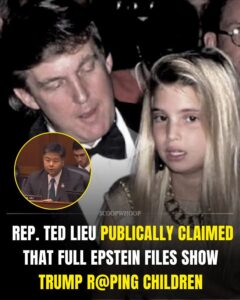
4. The US Political Dimension: Trump and Epstein Allegations
Several media narratives have suggested that President is escalating tensions with Iran to divert attention from renewed scrutiny surrounding the files.
There is no verified evidence directly linking foreign policy escalation to personal legal distraction. However, in polarized political climates, such interpretations gain traction rapidly.
War has historically been accused of serving as a distraction mechanism—but proving motive remains complex and speculative.
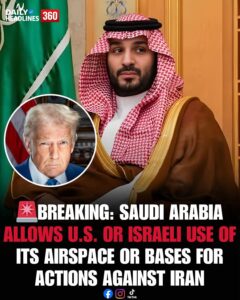
5. Gulf Divide: Saudi Arabia vs UAE
Saudi Crown Prince has reportedly expressed readiness to support US and Israeli military operations against Iran, including granting land, air, and maritime access.
In contrast, the has signaled reluctance to allow its territory to be used for offensive operations against Iran, reflecting regional caution over direct escalation.
The appears divided, with several member states aligning strategically with Western powers while domestic public opinion in many of those countries reportedly remains sympathetic to Iran or at least opposed to regional war.
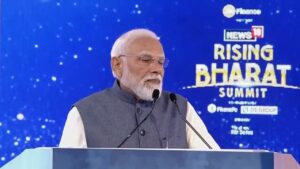
6. India’s Position and Domestic Mobilization
Prime Minister has aligned diplomatically with US and Israeli positions, drawing criticism from segments of Indian civil society who argue that such positioning affects India’s historic balancing role in West Asian geopolitics.

Activist networks, including a rally hosted at Delhi’s Talkatora Stadium, reportedly organized by Janta Morcha Sarkar under the leadership of Devender Balhara, have called for mass participation on 23rd March. Organizers claim the movement aims to protest foreign policy alignment and economic agreements perceived as compromising national sovereignty.
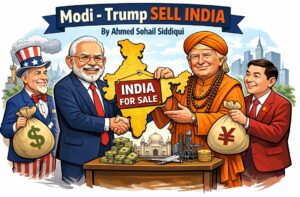
While attendance projections speak of hundreds of thousands, independent verification remains to be seen.
7. The People vs Governments Narrative
One of the most striking features of this conflict narrative is the recurring claim that:
- Governments—Muslim and non-Muslim—are aligning against Iran.
- Masses in Israel, the United States, Britain, and parts of the Muslim world sympathize with Iran, China, and Russia.
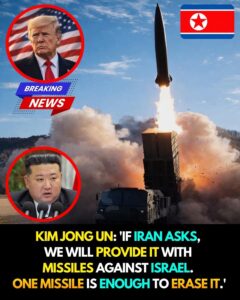
- Leaders such as North Korea’s are framed by some narratives as counterweights to US-Israel power structures.
These assertions reflect ideological polarization rather than empirically measured public consensus, but they demonstrate how public perception is increasingly detached from official diplomatic alignments.
8. The Information War
What emerges from all these threads is not a clear battlefield picture but a layered information war:
- Iran denies civilian-targeted attacks.
- Journalists allege covert Israeli operations.
- Leadership survival becomes a contested narrative.
- Nuclear intentions are disputed at the highest levels.
- US domestic politics intersect with foreign policy speculation.
- Gulf states split in strategy.
- China and Russia deepen strategic positioning.
- India faces domestic criticism over foreign alignment.
In this environment, truth becomes fragmented across strategic communication channels, intelligence leaks, political interests, and ideological media ecosystems.
Conclusion
The Iran-centered crisis is no longer confined to missile exchanges or proxy conflicts. It has expanded into economic warfare, diplomatic realignment, nuclear brinkmanship, and digital information manipulation.
Whether the conflict escalates into direct large-scale war or stabilizes through backchannel negotiations will depend on:
- Verified intelligence regarding nuclear capability
- Regional state calculations about survivability
- Domestic political pressures in Washington, Tel Aviv, Riyadh, Tehran, and New Delhi
- The evolving strategic triangle between Beijing, Moscow, and Tehran
What remains certain is that the war of narratives is advancing as rapidly as any military mobilization—and in the modern geopolitical order, perception may determine outcomes as decisively as firepower.
********
दावों, प्रतिदावों और शक्ति-संरेखण का युद्ध: विस्तारित ईरान–अमेरिका–इज़राइल टकराव
एक खोजी विश्लेषण By Ahmed Sohail Siddiqui
ईरान को लेकर वर्तमान भू-राजनीतिक संकट आरोपों, खंडनों, मीडिया खुलासों, रणनीतिक पुनर्संरेखण और सूचना युद्ध का जटिल जाल बन चुका है। खाड़ी क्षेत्र में ऊर्जा अवसंरचना पर हमलों से लेकर तेहरान के नेतृत्व के जीवित या मृत होने के प्रश्न तक, परमाणु आरोपों से लेकर भारत में जनसभाओं तक—कथानक का युद्धक्षेत्र सैन्य क्षेत्र जितना ही तीव्र प्रतीत होता है।
यह लेख इस संघर्ष को आकार देने वाले प्रतिस्पर्धी दावों की जांच करता है।
1. अरामको हमले: तेहरान का इनकार बनाम मोसाद आरोप
मध्य पूर्व में ऊर्जा और गैर-सैन्य प्रतिष्ठानों—जिनमें Saudi Aramco से जुड़ी सुविधाएँ भी शामिल हैं—पर ईरान द्वारा किए गए हमलों के आरोपों के बाद तेहरान ने आधिकारिक रूप से जिम्मेदारी से इनकार किया।
ईरानी अधिकारियों ने एक स्थिर सिद्धांत दोहराया है:
ईरान केवल उन सैन्य ठिकानों को निशाना बनाता है जहाँ से उस पर सीधे हमले किए जाते हैं—विशेषकर मध्य पूर्व या संबद्ध क्षेत्रों जैसे ब्रिटेन में संचालित अमेरिकी या इज़राइली ठिकानों को।
ईरान का कहना है कि वह नागरिक या व्यावसायिक अवसंरचना पर हमला शुरू नहीं करता जब तक कि वह प्रत्यक्ष जवाबी कार्रवाई का हिस्सा न हो।
हालाँकि, एक अमेरिकी पत्रकार ने अपनी रिपोर्ट में दावा किया है कि Mossad के एजेंट ऐसे कुछ अस्थिरकारी हमलों के पीछे हो सकते हैं जिन्हें ईरान पर आरोपित किया गया। रिपोर्ट के अनुसार, गुप्त संलिप्तता के संदेह में कुछ व्यक्तियों को गिरफ्तार भी किया गया है, हालांकि आधिकारिक पुष्टि सीमित है।
यह आरोप संभावित “फॉल्स फ्लैग” रणनीति की ओर संकेत करता है जिसका उद्देश्य क्षेत्रीय प्रतिक्रिया भड़काकर युद्ध को व्यापक बनाना हो सकता है। इज़राइल ने इन दावों की न तो आधिकारिक पुष्टि की है और न ही खंडन।
2. क्या अयातुल्ला खामेनेई जीवित हैं?
स्थिति तब और जटिल हो गई जब Ali Khamenei की कथित हत्या के वायरल दावे सामने आए। कई सोशल मीडिया चैनलों ने उनकी मृत्यु की खबरें प्रसारित कीं। इसके तुरंत बाद उन्हें ईरानी जनता को संबोधित करते हुए दिखाने वाली तस्वीरें और वीडियो प्रसारित हुए।
ईरानी राज्य मीडिया का कहना है कि वे जीवित हैं और सर्वोच्च नेता के रूप में कार्यरत हैं। आलोचकों का तर्क है कि फुटेज पूर्व-रिकॉर्डेड हो सकता है। किसी स्वतंत्र अंतरराष्ट्रीय सत्यापन ने अभी तक इस मुद्दे को अंतिम रूप से स्पष्ट नहीं किया है।
आधुनिक संघर्षों में नेतृत्व की स्थिरता की धारणा अक्सर युद्धक्षेत्र परिणामों जितनी महत्वपूर्ण होती है।
3. परमाणु प्रश्न: पुतिन की नेतन्याहू को चुनौती
इज़राइल के प्रधानमंत्री Benjamin Netanyahu लंबे समय से यह तर्क देते रहे हैं कि ईरान परमाणु हथियार क्षमता का पीछा कर रहा है।
हालाँकि, रूस के राष्ट्रपति Vladimir Putin ने कथित रूप से इज़राइल से ठोस सबूत पेश करने की मांग की कि ईरान निकट भविष्य में परमाणु बम हासिल करने वाला था। मॉस्को की यह स्थिति तेहरान के साथ उसके व्यापक रणनीतिक संरेखण को दर्शाती है।
चीन ने भी कूटनीतिक रूप से ईरान का समर्थन किया है और कथित रूप से सहयोग बढ़ाया है, साथ ही अमेरिकी सहयोगी मुस्लिम देशों से अपनी रणनीतिक निर्भरता पर पुनर्विचार करने की अपील की है।
4. अमेरिकी राजनीतिक आयाम: ट्रंप और एपस्टीन आरोप
कुछ मीडिया कथानकों ने सुझाव दिया है कि राष्ट्रपति Donald Trump ईरान के साथ तनाव बढ़ाकर Jeffrey Epstein फाइलों से जुड़े नए खुलासों से ध्यान हटाने का प्रयास कर रहे हैं।
हालाँकि, विदेशी नीति वृद्धि और व्यक्तिगत कानूनी विवादों के बीच सीधे संबंध का कोई सत्यापित प्रमाण उपलब्ध नहीं है। फिर भी ध्रुवीकृत राजनीतिक वातावरण में ऐसी व्याख्याएँ तेजी से फैलती हैं।
5. खाड़ी विभाजन: सऊदी अरब बनाम यूएई
सऊदी क्राउन प्रिंस Mohammed bin Salman ने कथित रूप से अमेरिका और इज़राइल को ईरान के खिलाफ अपने भू, वायु और समुद्री क्षेत्र के उपयोग की अनुमति देने की तत्परता दिखाई है।
इसके विपरीत, संयुक्त अरब अमीरात सरकार ने ईरान के खिलाफ आक्रामक अभियानों के लिए अपने क्षेत्र के उपयोग पर अनिच्छा संकेतित की है।
Organisation of Islamic Cooperation विभाजित दिखाई देता है, जहाँ कुछ सदस्य देश पश्चिमी शक्तियों के साथ रणनीतिक रूप से खड़े हैं, जबकि कई देशों की घरेलू जनमत युद्ध-विरोधी मानी जाती है।
6. भारत की स्थिति और घरेलू लामबंदी
प्रधानमंत्री Narendra Modi ने कूटनीतिक रूप से अमेरिकी और इज़राइली रुख का समर्थन किया है, जिस पर भारत के कुछ नागरिक समाज वर्गों ने आलोचना की है।
दिल्ली के Talkatora Stadium में 23 मार्च को आयोजित होने वाली एक रैली, जिसे Janta Morcha Sarkar द्वारा Devender Balhara के नेतृत्व में आयोजित बताया गया है, व्यापक जनभागीदारी का आह्वान कर रही है।
आयोजकों का दावा है कि यह आंदोलन विदेश नीति संरेखण और आर्थिक समझौतों के खिलाफ है जिन्हें राष्ट्रीय संप्रभुता के लिए चुनौती माना जा रहा है।
7. जनता बनाम सरकारें कथानक
इस संकट की एक उल्लेखनीय विशेषता यह दावा है कि:
- सरकारें—चाहे मुस्लिम हों या गैर-मुस्लिम—ईरान के खिलाफ खड़ी हैं।
- जबकि इज़राइल, अमेरिका, ब्रिटेन और मुस्लिम दुनिया के जनसमूह ईरान, चीन और रूस के साथ सहानुभूति रखते हैं।
- उत्तर कोरिया के नेता Kim Jong Un को कुछ कथानकों में अमेरिकी-इज़राइली शक्ति संरचना के प्रतिकारक के रूप में प्रस्तुत किया जाता है।
ये दावे वैचारिक ध्रुवीकरण को दर्शाते हैं।
8. सूचना युद्ध
इस पूरे संकट से स्पष्ट है कि:
- ईरान नागरिक लक्ष्यों पर हमलों से इनकार करता है।
- पत्रकार गुप्त इज़राइली अभियानों का आरोप लगाते हैं।
- नेतृत्व की स्थिति विवादित है।
- परमाणु इरादे प्रश्नों के घेरे में हैं।
- अमेरिकी घरेलू राजनीति बाहरी नीति से जुड़ रही है।
- खाड़ी देश विभाजित हैं।
- चीन और रूस सक्रिय हो रहे हैं।
- भारत में घरेलू आलोचना बढ़ रही है।
निष्कर्ष
ईरान केंद्रित संकट केवल मिसाइलों या प्रॉक्सी संघर्षों तक सीमित नहीं रहा। यह आर्थिक युद्ध, कूटनीतिक पुनर्संरेखण, परमाणु दबाव और डिजिटल सूचना युद्ध तक फैल चुका है।
यह संघर्ष व्यापक युद्ध में बदलेगा या बैकचैनल वार्ताओं से स्थिर होगा—यह इस बात पर निर्भर करेगा कि सत्यापित खुफिया जानकारी, क्षेत्रीय गणनाएँ और घरेलू राजनीतिक दबाव किस दिशा में विकसित होते हैं।
आधुनिक भू-राजनीतिक व्यवस्था में धारणा अक्सर वास्तविक शक्ति जितनी निर्णायक होती है।
********
دعوؤں، جوابی دعوؤں اور طاقت کے اتحادوں کی جنگ: ایران–امریکہ–اسرائیل تصادم کی توسیع
ایک تحقیقی تجزیہ By Ahmed Sohail Siddiqui
ایران کے گرد موجودہ جغرافیائی سیاسی بحران الزامات، تردیدوں، میڈیا لیکس، اسٹریٹجک صف بندی اور اطلاعاتی جنگ کا پیچیدہ جال بن چکا ہے۔ خلیج میں توانائی کے تنصیبات پر حملوں سے لے کر تہران کی قیادت کے زندہ یا مردہ ہونے کے سوال تک—بیانیے کی جنگ میدانِ جنگ جتنی شدید دکھائی دیتی ہے۔
یہ مضمون اس تصادم کو شکل دینے والے متضاد دعوؤں کا جائزہ لیتا ہے۔
1. آرامکو حملے: تہران کی تردید بمقابلہ موساد الزامات
مشرق وسطیٰ میں توانائی اور غیر فوجی اہداف، جن میں Saudi Aramco سے منسلک تنصیبات شامل ہیں، پر حملوں کو ایران سے منسوب کیا گیا۔ تہران نے سرکاری طور پر انکار کیا۔
ایرانی حکام کا مؤقف ہے:
ایران صرف اُن فوجی اڈوں کو نشانہ بناتا ہے جہاں سے اس پر براہ راست حملہ کیا جاتا ہے—خصوصاً امریکی یا اسرائیلی اڈے جو خطے یا برطانیہ میں فعال ہیں۔
ایک امریکی صحافی نے دعویٰ کیا کہ Mossad کے ایجنٹس بعض حملوں کے پیچھے ہو سکتے ہیں جن کا الزام ایران پر لگایا گیا۔ کچھ گرفتاریوں کی خبریں بھی آئیں، مگر سرکاری تصدیق محدود ہے۔
2. کیا آیت اللہ خامنہ ای زندہ ہیں؟
Ali Khamenei کے قتل کے دعوے سوشل میڈیا پر گردش کرتے رہے۔ بعد ازاں ان کی قوم سے خطاب کی تصاویر اور ویڈیوز نشر ہوئیں۔
ایرانی سرکاری میڈیا کا کہنا ہے کہ وہ زندہ ہیں اور منصب پر فائز ہیں۔ آزادانہ تصدیق ابھی تک سامنے نہیں آئی۔
3. جوہری سوال: پیوٹن کا نیتن یاہو کو چیلنج
اسرائیلی وزیر اعظم Benjamin Netanyahu طویل عرصے سے ایران پر جوہری ہتھیار حاصل کرنے کی کوشش کا الزام لگاتے رہے ہیں۔
روسی صدر Vladimir Putin نے مبینہ طور پر اسرائیل سے ثبوت طلب کیے کہ ایران فوری طور پر جوہری بم حاصل کرنے والا تھا۔
چین نے بھی ایران کی سفارتی حمایت کی ہے۔
4. امریکی سیاسی پہلو: ٹرمپ اور ایپسٹین
کچھ رپورٹس میں کہا گیا کہ صدر Donald Trump ایران کے ساتھ کشیدگی بڑھا کر Jeffrey Epstein فائلوں سے توجہ ہٹانا چاہتے ہیں۔
اس دعوے کی کوئی مصدقہ شہادت موجود نہیں۔
5. خلیجی تقسیم: سعودی عرب بمقابلہ یو اے ای
سعودی ولی عہد Mohammed bin Salman نے مبینہ طور پر امریکہ اور اسرائیل کو ایران کے خلاف اپنی سرزمین، فضائی اور بحری حدود استعمال کرنے کی آمادگی ظاہر کی۔
متحدہ عرب امارات کی حکومت نے ایسی اجازت دینے میں ہچکچاہٹ ظاہر کی ہے۔
Organisation of Islamic Cooperation تقسیم کا شکار دکھائی دیتا ہے۔
6. بھارت کی پوزیشن اور اندرونی متحرکیاں
وزیر اعظم Narendra Modi نے امریکی و اسرائیلی مؤقف کی حمایت کی ہے جس پر بھارت میں تنقید ہو رہی ہے۔
23 مارچ کو دہلی کے Talkatora Stadium میں Janta Morcha Sarkar کے زیر اہتمام، Devender Balhara کی قیادت میں ایک ریلی متوقع ہے۔
7. عوام بمقابلہ حکومتیں بیانیہ
ایک نمایاں دعویٰ یہ ہے کہ:
- حکومتیں ایران کے خلاف ہیں۔
- جبکہ عوام ایران، چین اور روس کے ساتھ کھڑے ہیں۔
- شمالی کوریا کے رہنما Kim Jong Un کو بعض حلقوں میں مخالف طاقت کے طور پر پیش کیا جا رہا ہے۔
نتیجہ
ایران سے متعلق بحران صرف فوجی جھڑپ تک محدود نہیں رہا۔ یہ معاشی، سفارتی اور اطلاعاتی محاذوں تک پھیل چکا ہے۔
جدید جغرافیائی سیاست میں تاثر اکثر طاقت کے استعمال جتنا ہی فیصلہ کن ثابت ہوتا ہے۔
********