
 Title: Mukesh Ambani’s War on ‘Terrorism’ or a War on Muslims and Pakistan? Analyzing the Dangerous Public Stance and Media Bias
By Ahmed Sohail Siddiqui
In recent years, Mukesh Ambani, India’s richest man and owner of Reliance Industries, has positioned himself not just as a corporate mogul but as an ideological influencer. Through his media empire—including channels like News18, CNN-News18, and Network18—Ambani has increasingly taken a public stand supporting what is termed a “war against terrorism.” However, a closer examination of both the rhetoric and the media coverage under his influence raises troubling questions about the real target of this so-called war: is it truly against terrorism, or is it a veiled assault on India’s Muslims and Pakistan?

Ambani’s,Adani,Modi & Shah’s
The Manufactured Consensus: Media as a War Drum
Ambani’s media channels often project a jingoistic narrative where criticism of government policy or calls for peace are labeled “anti-national.” In the name of fighting terrorism, debates are filled with loaded terms such as “Pak-backed sleeper cells,” “Muslim ghettos breeding radicals,” and “Islamist ideology threatening Bharat.” These terms are not backed by serious investigative journalism or evidence but are repeated in prime-time debates to generate fear, suspicion, and division.
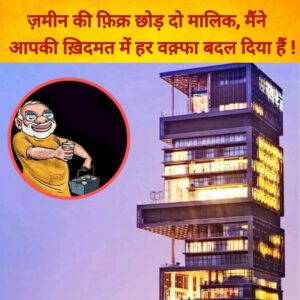
Rather than upholding the tenets of responsible journalism, Ambani-owned media appears to serve as a propaganda machine promoting:
Uncritical support for military actions, often without legal or humanitarian scrutiny.
Stereotyping of Indian Muslims as either silent sympathizers or active enablers of terrorism.
Vilification of Pakistan, not for strategic defense, but for internal political gains by polarizing Indian voters.
This contributes to a toxic media environment that nurtures Islamophobia, undermines democratic debate, and normalizes hate.
Corporate Patriotism or Political Opportunism?
The question arises: Why would a businessman like Ambani champion a hyper-nationalist, anti-Muslim media agenda?
1. Political Proximity: Mukesh Ambani’s closeness to the ruling Bharatiya Janata Party (BJP) is no secret. His firms have received favorable policy interventions, infrastructure contracts, and regulatory relaxations. Promoting a narrative that aligns with BJP’s Hindutva ideology ensures continued political patronage.
2. Diverting Attention: In times of economic crisis, inflation, or unemployment, rousing nationalist sentiment through anti-Pakistan rhetoric becomes a convenient diversion tactic. Ambani’s channels play a pivotal role in this distraction strategy.
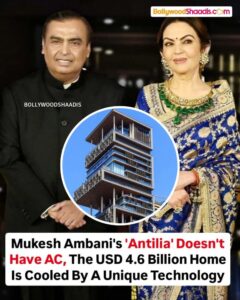
3.Silencing Dissent:Labeling critics of corporate encroachment, land grabs (such as the alleged Waqf land used for Ambani’s Antilia residence), or monopolistic practices as “terror sympathizers” discourages public resistance and investigation.
The Dangerous Impact on Indian Muslims
- Ambani’s war rhetoric has real-life consequences. It legitimizes:
- Mob lynchings based on WhatsApp rumors.
- Discrimination in housing, jobs, and education.
- Increased surveillance and police crackdowns in Muslim-dominated areas.
- Marginalization of Muslim voices in media and policymaking.
This media-fueled environment not only alienates India’s 200 million Muslims but also endangers India’s constitutional promise of secularism and justice for all.
The Pakistan Question: Perpetual Enemy or Political Tool?
While criticism of Pakistan’s policies is valid in specific contexts, Ambani-owned channels often resort to blanket demonization of Pakistan as a “terror state,” erasing the complexities of diplomacy, people-to-people ties, and shared regional history. Every cricket match, border incident, or diplomatic dispute is converted into a nationalist spectacle that boosts ratings and fuels hyper-patriotism.
Ironically, while his media denounces Pakistan, Ambani’s business interests—including those involving global oil suppliers and telecom contracts—continue pragmatic dealings irrespective of political posturing.
Conclusion: Time to Hold Billionaires Accountable
When Mukesh Ambani publicly supports war in the name of fighting terrorism, and when his media channels vilify Indian Muslims and demonize Pakistan without nuance, it is not just biased journalism—it is dangerous nation-shaping. In a democracy, no individual—no matter how wealthy—should be allowed to hijack public discourse for profit, power, or politics.
As citizens, media consumers, and believers in justice, we must demand:
Transparency in media ownership.
Regulation of hate speech and biased reporting.
A return to ethical journalism that informs, not inflames.
Because the war that Ambani supports may not be against terrorism at all—it may be against the truth itself.
********
 शीर्षक: क्या मुकेश अंबानी का “आतंकवाद के खिलाफ युद्ध” वास्तव में मुस्लिमों और पाकिस्तान के खिलाफ युद्ध है?—एक सार्वजनिक रुख और मीडिया की भूमिका की पड़ताल
लेखक: अहमद सोहैल सिद्दीकी
हाल के वर्षों में मुकेश अंबानी—जो भारत के सबसे अमीर उद्योगपति हैं—ने केवल एक कारोबारी के रूप में नहीं, बल्कि एक वैचारिक प्रभावक के रूप में भी अपनी पहचान बनाई है। News18, CNN-News18, और Network18 जैसे मीडिया चैनलों के मालिक होने के नाते, अंबानी ने बार-बार आतंकवाद के खिलाफ युद्ध का समर्थन किया है। लेकिन उनके स्वामित्व वाले मीडिया के व्यवहार और रिपोर्टिंग के विश्लेषण से साफ होता है कि इस कथित युद्ध का असली निशाना आतंकवाद नहीं, बल्कि भारत के मुसलमान और पाकिस्तान हैं।
मीडिया का युद्धवाद: राष्ट्रवाद की आड़ में नफरत
अंबानी के चैनलों पर “राष्ट्रवाद” के नाम पर लगातार मुसलमानों और पाकिस्तान को टारगेट किया जाता है। डिबेट्स में “पाक-समर्थित स्लीपर सेल”, “इस्लामी कट्टरपंथ”, और “मुस्लिम बस्तियों में आतंक की जड़ें” जैसी भाषा का बार-बार इस्तेमाल होता है—बिना ठोस प्रमाण के।
इन चैनलों का एजेंडा:
सरकार की हर सैन्य कार्रवाई का आंख मूंद कर समर्थन,
भारतीय मुसलमानों की छवि खराब करना,
पाकिस्तान के खिलाफ नफरत को सामान्य बनाना,
असहमति की आवाज़ों को “देशद्रोही” बताकर दबाना।
व्यापारिक राष्ट्रवाद या राजनीतिक गठजोड़?
मुकेश अंबानी का यह झुकाव कई कारणों से हो सकता है:
1. राजनीतिक लाभ: अंबानी और सत्तारूढ़ भाजपा के बीच गहरे रिश्ते हैं। इस तरह के राष्ट्रवादी नैरेटिव से उन्हें राजनीतिक संरक्षण मिलता है।
2. जनता का ध्यान भटकाना: आर्थिक संकट और बेरोजगारी जैसे मुद्दों से ध्यान हटाने के लिए पाकिस्तान-विरोधी नैरेटिव एक आसान तरीका बन गया है।
3. आलोचना को रोकना: वक़्फ़ भूमि जैसे विवादों में खुद को बेदाग दिखाने के लिए विरोधियों को “आतंकी समर्थक” बताना एक रणनीति बन गया है।
भारतीय मुसलमानों पर असर
इस मीडिया माहौल के गंभीर परिणाम सामने आते हैं:
मुस्लिमों पर भीड़ द्वारा हमले,
शिक्षा और रोजगार में भेदभाव,
पुलिस का अधिक निगरानी और दमन,
मीडिया में मुस्लिम आवाज़ों का बहिष्कार।
पाकिस्तान: शत्रु या राजनीतिक हथियार?
अंबानी के चैनलों द्वारा पाकिस्तान को लगातार “आतंकी देश” बताकर जटिल कूटनीतिक मुद्दों को उथली बहस में बदल दिया जाता है। क्रिकेट से लेकर युद्ध तक, हर घटना को राष्ट्रवादी तमाशे में बदला जाता है।
निष्कर्ष: पूंजीपतियों की जवाबदेही तय हो
जब कोई उद्योगपति राष्ट्रवाद के नाम पर मुसलमानों को निशाना बनाता है, और जब मीडिया को नफरत फैलाने के उपकरण के रूप में इस्तेमाल करता है—तो यह न सिर्फ लोकतंत्र के लिए, बल्कि सामाजिक सौहार्द के लिए भी ख़तरनाक है।
हमें मांग करनी चाहिए:
मीडिया स्वामित्व में पारदर्शिता,
नफरत फैलाने वाली रिपोर्टिंग पर रोक,
जिम्मेदार पत्रकारिता की वापसी।
क्योंकि अंबानी का यह “युद्ध” आतंकवाद के खिलाफ नहीं, बल्कि सच्चाई और न्याय के खिलाफ है।
********
 عنوان: کیا مکیش امبانی کی ’دہشتگردی کے خلاف جنگ‘ دراصل مسلمانوں اور پاکستان کے خلاف ہے؟—عوامی موقف اور میڈیا تعصب کا تجزیہ
تحریر: احمد سہیل صدیقی
مکیش امبانی، جو بھارت کے سب سے امیر صنعتکار ہیں، صرف ایک تاجر نہیں بلکہ ایک نظریاتی اثرورسوخ رکھنے والے شخصیت کے طور پر بھی سامنے آئے ہیں۔ ان کے میڈیا چینلز جیسے نیوز 18، سی این این نیوز 18، اور نیٹ ورک 18 آئے دن دہشتگردی کے خلاف جنگ کے حق میں آواز بلند کرتے ہیں۔ لیکن اس بیانیے کی گہرائی میں جھانکنے پر ایک پریشان کن حقیقت سامنے آتی ہے: یہ جنگ دہشتگردی کے خلاف کم، اور مسلمانوں و پاکستان کے خلاف زیادہ معلوم ہوتی ہے۔
میڈیا کا تعصب: نفرت کا پرچار
امبانی کے چینلز پر بار بار ایسے الفاظ استعمال کیے جاتے ہیں جیسے “پاکستانی حمایت یافتہ نیٹ ورکس”، “اسلامی شدت پسندی”، اور “مسلم محلوں میں دہشتگردی کی پناہ گاہیں”—جن کی کوئی مستند تحقیق یا ثبوت نہیں دیا جاتا۔
ایسے بیانیے کے مقاصد:
حکومت کی ہر کارروائی کی اندھی تقلید،
بھارتی مسلمانوں کو شک کی نگاہ سے دیکھنا،
پاکستان کے خلاف مسلسل نفرت پھیلانا،
اختلاف رائے کو ’غداری‘ قرار دینا۔
حب الوطنی یا سیاسی مفاد؟
امبانی کے اس موقف کی کئی ممکنہ وجوہات ہیں:
1. سیاسی قربت: بی جے پی حکومت سے قریبی تعلقات رکھنے کے باعث امبانی کا میڈیا حکومت کے بیانیے کو فروغ دیتا ہے۔
2. عوام کی توجہ ہٹانا: اقتصادی مسائل اور بے روزگاری سے عوام کا دھیان ہٹانے کے لیے جنگی نعرے لگانا ایک آسان راستہ ہے۔
3. ناقدین کو خاموش کرنا: و قف اراضی جیسے معاملات میں عوامی احتجاج کو ’دہشتگردی کی حمایت‘ قرار دے کر دبا دینا۔
بھارتی مسلمانوں پر اثرات
اس ماحول کے نتیجے میں:
ہجومی تشدد کے واقعات میں اضافہ،
روزگار اور تعلیم میں امتیاز،
مسلم علاقوں پر بڑھتی نگرانی،
میڈیا میں مسلم آوازوں کی کمی۔
پاکستان: دشمن یا سیاسی ہتھیار؟
امبانی کا میڈیا پاکستان کو ایک مستقل دشمن کے طور پر پیش کرتا ہے، جس سے سفارتی پیچیدگیاں نظر انداز ہو جاتی ہیں۔ ہر چھوٹا بڑا مسئلہ جنگی شور میں تبدیل کر دیا جاتا ہے۔
نتیجہ: جوابدہی کی ضرورت
جب کوئی سرمایہ دار میڈیا کے ذریعے مسلمانوں کے خلاف نفرت کو فروغ دیتا ہے، تو یہ
صرف جمہوریت ہی نہیں بلکہ انسانیت پر بھی حملہ ہے۔
ہمیں مطالبہ کرنا چاہیے:
میڈیا کی ملکیت میں شفافیت،
نفرت انگیز رپورٹنگ پر پابندی،
سچائی اور عدل پر مبنی صحافت کی بحالی۔
کیونکہ امبانی کی یہ جنگ دہشتگردی کے خلاف نہیں بلکہ حقیقت اور انصاف کے خلاف ہے۔