
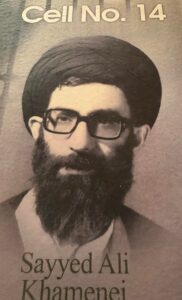
The Pain of the Ummah and the Call to Conscience

By Ahmed Sohail Siddiqui
The loss of a leader—real or perceived—who is believed by millions to be connected to the sacred lineage of the Messenger of Allah (PBUH) is never an ordinary event. For those whose hearts are attached to the Ahlul Bayt, even the thought of harm reaching that noble lineage reopens wounds that history has never allowed to heal.
Let it be clearly stated: there is no verified confirmation of any assassination of Ali Khamenei. In matters of such magnitude, truth must precede emotion. Yet the emotional tremor within the Ummah whenever such claims circulate reveals something deeper—the undying love Muslims carry for the family of Prophet Muhammad (PBUH).

The tragedy of Karbala lives within Muslim consciousness not as a political episode, but as a moral compass. When Imam Husayn (RA), the beloved grandson of the Prophet (PBUH), stood against tyranny, he demonstrated that truth does not measure strength by numbers. It measures strength by conviction.
Whenever believers sense that figures associated—by blood or by legacy—with the Prophet’s household are targeted, the grief is instinctive. It is not partisan. It is spiritual. It is the pain of reverence.
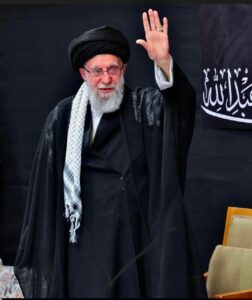
On Lineage and Historical Claims
According to genealogical claims referenced in a 2020 Al-Manar TV documentary and mentioned on Wikipedia, Ali Khamenei is described as a 38th-generation descendant of Prophet Muhammad (PBUH), tracing lineage through Imam Husayn (RA) and Imam Ali al-Sajjad.
Note: Such claims are part of public discourse and certain media narratives; however, genealogical records spanning 1,400 years are historically complex and difficult to independently verify.
For believers, the concept of Sayyid lineage carries emotional and spiritual meaning. It symbolizes continuity of sacrifice, scholarship, and service. Whether one agrees politically or disagrees entirely, reverence for Ahlul Bayt transcends political boundaries.
The Greater Question: What Weakens the Ummah?
Before we point outward, we must look inward.
Have we upheld the Qur’an in our daily lives? Have we preserved unity? Have we protected justice? Have we purified our sustenance?
The Qur’an repeatedly warns that division weakens communities. Our fragmentation—sectarian, ethnic, ideological—has often harmed us more than external adversaries ever could.
We embraced material comfort while neglecting spiritual discipline. We allowed political loyalties to overshadow moral clarity. We divided into camps while forgetting the rope of Allah.
Evil thrives when believers abandon self-reform.
The True Response to Perceived Injustice
If injustice occurs, the believer does not descend into blind rage. If oppression rises, the believer does not abandon ethics.
Our response must mirror the character of Prophet Muhammad (PBUH): patience with dignity, courage with mercy, strength without cruelty.
Islam was not spread through vengeance. It was established through resilience, knowledge, and unwavering faith.
The Prophet (PBUH) endured persecution in Makkah without surrendering his principles. Imam Husayn (RA) stood at Karbala without surrendering his conscience. Their legacy is moral strength—not uncontrolled fury.
A Pledge of Unity and Renewal
I cannot ignore the emotional weight that such narratives carry within the hearts of believers. But let our tears lead to transformation, not destruction.
Let us pledge:
- To revive Salah in our homes.
- To revive honesty in our transactions.
- To purify our earnings from what is haram.
- To rebuild unity between Sunni and Shia, Arab and non-Arab.
- To stand for justice without becoming unjust ourselves.
The strength of 1.2 billion Muslims does not lie in anger. It lies in taqwa. It lies in discipline. It lies in unity.
If we truly love the Ahlul Bayt, we must embody their patience. If we truly honor Karbala, we must uphold justice in our own conduct. If we truly defend Islam, we must reform ourselves first.
Truth outlives tyrants. Faith outlasts fear. And unity restores dignity.
May Allah guide us back to the Qur’an and the Sunnah, protect humanity from oppression, and grant us wisdom in times of turmoil.
Ameen.
********
उम्मत का दर्द और ज़मीर की पुकार
अहमद सोहैल सिद्दीकी द्वारा
किसी ऐसे नेता की क्षति—चाहे वास्तविक हो या कथित—जिसे लाखों लोग रसूल अल्लाह (सल्लल्लाहु अलैहि व सल्लम) की पवित्र नस्ल से जुड़ा मानते हैं, कभी भी एक साधारण घटना नहीं होती। जिन दिलों का लगाव अहल-ए-बैत से है, उनके लिए उस मुबारक वंश तक किसी भी प्रकार की हानि का विचार भी इतिहास के उन घावों को फिर से ताज़ा कर देता है जो कभी भरे नहीं।
यह स्पष्ट रूप से कहा जाना चाहिए: Ali Khamenei की किसी हत्या की कोई प्रमाणित पुष्टि नहीं है। इतने बड़े महत्व के मामलों में भावना से पहले सत्य आवश्यक है। फिर भी, जब भी ऐसे दावे सामने आते हैं, उम्मत के भीतर जो भावनात्मक कंपन उठता है, वह इस बात को दर्शाता है कि मुसलमानों के दिलों में रसूल (सल्लल्लाहु अलैहि व सल्लम) के अहल-ए-बैत के लिए कितना गहरा प्रेम है।
कर्बला की त्रासदी मुसलमानों की चेतना में केवल एक राजनीतिक घटना नहीं, बल्कि एक नैतिक दिशा-सूचक है। जब इमाम हुसैन (रज़ि.)—जो नबी करीम (सल्लल्लाहु अलैहि व सल्लम) के प्यारे नवासे थे—ने अत्याचार के विरुद्ध खड़े होकर सत्य का साथ दिया, तो उन्होंने यह सिखाया कि सच्चाई की ताकत संख्या से नहीं, बल्कि सिद्धांत से मापी जाती है।
वंशावली और ऐतिहासिक दावों के संबंध में
2020 की अल-मनार टीवी डॉक्यूमेंट्री और Wikipedia पर उपलब्ध जानकारी के अनुसार, Ali Khamenei को पैगंबर मुहम्मद (सल्लल्लाहु अलैहि व सल्लम) की 38वीं पीढ़ी का वंशज बताया गया है, जिनकी नस्ल इमाम हुसैन (रज़ि.) और इमाम अली अल-सज्जाद के माध्यम से जुड़ती है।
नोट: 1400 वर्षों की वंशावली का स्वतंत्र सत्यापन ऐतिहासिक रूप से जटिल और कठिन है।
उम्मत को क्या कमज़ोर कर रहा है?
हमें बाहर उंगली उठाने से पहले अंदर झांकना होगा।
क्या हमने कुरआन को अपनी जिंदगी में लागू किया? क्या हमने एकता को बचाया? क्या हमने न्याय को कायम रखा? क्या हमारी रोज़ी पाक है?
कुरआन बार-बार चेतावनी देता है कि फूट कमजोरी लाती है। हमारा विभाजन—मसलकी, नस्ली और वैचारिक—अक्सर हमें बाहरी दुश्मनों से अधिक नुकसान पहुंचाता है।
एक सच्चे मोमिन की प्रतिक्रिया
यदि अन्याय होता है, तो मोमिन अंधे क्रोध में नहीं गिरता। यदि अत्याचार बढ़ता है, तो वह अपने उसूल नहीं छोड़ता।
हमारी प्रतिक्रिया नबी मुहम्मद (सल्लल्लाहु अलैहि व सल्लम) के चरित्र को प्रतिबिंबित करनी चाहिए—सब्र के साथ इज़्ज़त, हिम्मत के साथ रहमत।
इस्लाम बदले से नहीं, बल्कि सब्र, इल्म और ईमान से फैला।
एक प्रतिज्ञा
आइए हम प्रतिज्ञा करें:
- अपने घरों में नमाज़ को ज़िंदा करने की
- अपने कारोबार में ईमानदारी लाने की
- हराम कमाई से बचने की
- सुन्नी-शिया एकता को मजबूत करने की
- 1.2 अरब मुसलमानों की ताकत गुस्से में नहीं, बल्कि तक़वा में है।
- सच्चाई ज़ालिमों से ज्यादा लंबी उम्र पाती है।
आमीन।
********
امت کا درد اور ضمیر کی پکار
از احمد سہیل صدیقی
کسی ایسے رہنما کا نقصان—چاہے حقیقی ہو یا محض خبر—جسے کروڑوں مسلمان رسول اللہ ﷺ کی مقدس نسل سے منسوب سمجھتے ہوں، کبھی بھی ایک عام واقعہ نہیں ہوتا۔ اہلِ بیت سے محبت رکھنے والے دلوں کے لیے اس مبارک سلسلے کو نقصان پہنچنے کا تصور بھی تاریخ کے زخم تازہ کر دیتا ہے۔
واضح طور پر کہنا ضروری ہے: Ali Khamenei کی کسی شہادت یا قتل کی کوئی مستند تصدیق موجود نہیں۔ ایسے معاملات میں جذبات سے پہلے سچائی ضروری ہے۔ تاہم جب بھی ایسی خبریں گردش کرتی ہیں تو امت کے دلوں میں جو اضطراب پیدا ہوتا ہے وہ اہلِ بیت سے بے پناہ محبت کی عکاسی کرتا ہے۔
کربلا کا سانحہ مسلمانوں کے لیے صرف ایک سیاسی واقعہ نہیں بلکہ ایک اخلاقی معیار ہے۔ جب امام حسینؓ، نبی کریم ﷺ کے نواسے، ظلم کے خلاف کھڑے ہوئے تو انہوں نے ثابت کیا کہ حق کی طاقت تعداد سے نہیں بلکہ اصول سے ماپی جاتی ہے۔
نسب اور تاریخی دعوے
2020 کی المنار ٹی وی ڈاکیومنٹری اور Wikipedia پر موجود معلومات کے مطابق Ali Khamenei کو نبی اکرم ﷺ کی 38ویں نسل سے منسوب کیا جاتا ہے، جو امام حسینؓ اور امام علی السجاد کے ذریعے سلسلہ نسب جوڑتا ہے۔
نوٹ: چودہ سو سال پر مشتمل نسب کی آزادانہ تصدیق تاریخی طور پر پیچیدہ ہے۔
امت کی کمزوری
ہمیں باہر سے پہلے اپنے اندر دیکھنا ہوگا۔
کیا ہم نے قرآن کو اپنی زندگیوں میں نافذ کیا؟ کیا ہم نے اتحاد کو مضبوط رکھا؟ کیا ہماری کمائی حلال ہے؟
قرآن خبردار کرتا ہے کہ تفرقہ کمزوری لاتا ہے۔
مومن کا ردعمل
ظلم کے جواب میں اندھا غصہ نہیں، بلکہ صبر، استقامت اور اخلاق۔
اسلام انتقام سے نہیں بلکہ صبر اور کردار سے پھیلا۔
عہد
آئیے عہد کریں:
نماز کو زندہ کریں
دیانت کو اپنائیں
فرقہ واریت کو ختم کریں
1.2 ارب مسلمانوں کی طاقت غصے میں نہیں، تقویٰ میں ہے۔
آمین۔
********
ألم الأمة ونداء الضمير
بقلم
أحمد سهيل صديقي
إن فقدان قائد—سواء كان حقيقياً أو مجرد ادعاء—يُعتقد من قبل ملايين المسلمين أنه من نسل رسول الله ﷺ، ليس حدثاً عادياً. فمحبة أهل البيت تسكن قلوب المؤمنين، وأي خبر عن أذى يمس هذا النسب المبارك يعيد إلى الذاكرة جراح التاريخ.
يجب التأكيد بوضوح: لا توجد أي معلومات موثوقة تؤكد اغتيال Ali Khamenei. في القضايا الكبرى يجب أن تسبق الحقيقة العاطفة. ومع ذلك، فإن الاضطراب الذي يصيب الأمة عند تداول مثل هذه الأخبار يعكس عمق المحبة لأهل بيت النبي ﷺ.
مأساة كربلاء ليست حدثاً سياسياً فحسب، بل هي معيار أخلاقي. عندما وقف الإمام الحسين رضي الله عنه ضد الظلم، أثبت أن قوة الحق لا تُقاس بالأعداد بل بالمبدأ.
النسب والادعاءات التاريخية
بحسب وثائقي لقناة المنار عام 2020 ومعلومات منشورة على Wikipedia، يُذكر أن Ali Khamenei يُعتبر من الجيل الثامن والثلاثين المنحدر من النبي محمد ﷺ عبر الإمام الحسين والإمام علي السجاد.
ملاحظة: التحقق المستقل من أنساب تمتد لأكثر من 1400 عام أمر معقد تاريخياً.
ما الذي يُضعف الأمة؟
علينا أن ننظر إلى أنفسنا قبل أن ننظر إلى غيرنا.
هل طبقنا القرآن في حياتنا؟ هل حافظنا على وحدتنا؟ هل طهّرنا مصادر رزقنا؟
استجابة المؤمن
المؤمن لا يستجيب للظلم بالغضب الأعمى، بل بالصبر والثبات والأخلاق.
الإسلام لم ينتشر بالانتقام، بل بالصبر والإيمان.
عهد ووعد
- فلنجدد العهد:
- إحياء الصلاة
- ترسيخ الأمانة
- تعزيز الوحدة
- قوة 1.2 مليار مسلم ليست في الغضب، بل في التقوى.
آمين
********