
INVESTIGATIVE ESSAY
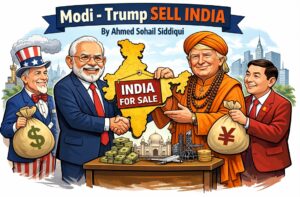 Subject: Systemic Institutional Failure, Escalating Political Threats, and the Constitutional Duty to Protect Opposition Leadership and Minority Rights in Contemporary India

By Ahmed Sohail Siddiqui
Author of Ink Against Erasure
Senior Journalist & Editor
I. PREAMBLE
This investigative essay is issued in the nature of a public constitutional notice to the concerned authorities of the Republic of India.
It raises urgent questions regarding:
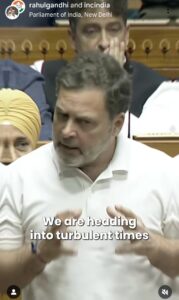
1. The security of the Leader of Opposition Rahul Gandhi and Members of Parliament.
2. Reported public threats allegedly issued by individuals associated with extremist groups.
3. Statements attributed to senior ideological figures impacting minority rights.
4. The perceived failure of statutory and constitutional institutions to act independently.
5. The broader geopolitical implications of India’s evolving alignment with the United States.
6.This document does not make criminal allegations as established fact. It calls for lawful investigation, institutional accountability, and constitutional compliance.
II. HISTORICAL CONTEXT: A LINEAGE MARKED BY POLITICAL VIOLENCE
India’s history records the assassination of Mahatma Gandhi, followed by the killings of Indira Gandhi and Rajiv Gandhi.
Sanjay Gandhi and Dhirendra Brahmachari died in air crashes that remain subjects of public debate, though officially recorded as accidents.
No judicial body has established involvement of foreign intelligence agencies in these events. However, the repeated targeting or tragic deaths within one political lineage imposes a constitutional duty of heightened vigilance when contemporary threats emerge.
III. CONTEMPORARY THREATS: MATTERS REQUIRING IMMEDIATE INVESTIGATION
1. Alleged Threat by Karni Sena Functionary
Recent media reports and circulating video content allegedly show an office bearer linked to the Karni Sena issuing a threat directed at Rahul Gandhi and approximately 25 Members of Parliament. The reported statement suggests that if opposition leaders continue to oppose the proposed US–India trade deal—described by critics as excessive strategic surrender—there would be violent consequences, including threats to enter private residences.
If authentic, such statements constitute:
Criminal intimidation
Threat to elected representatives
Attempt to undermine parliamentary functioning
This demands immediate investigation by competent authorities. Silence would signal institutional complicity.
2. Statements Attributed to RSS Leadership
Public discourse has also focused on remarks attributed to Mohan Bhagwat, chief of the RSS, concerning the religious identity of India’s Muslim population—estimated at over 20 crore citizens.
Such statements were reportedly resisted by Arshad Madani, President of Jamiat Ulema-e-Hind, who publicly asserted that Indian Muslims would not surrender constitutional protections.
In a secular constitutional republic, any suggestion—explicit or implied—regarding religious conversion as a civilizational expectation must be examined against:
Article 14 (Equality before Law)
Article 21 (Right to Life and Liberty)
Article 25 (Freedom of Religion)
If such rhetoric escalates communal polarization, the state is duty-bound to ensure constitutional order prevails.
IV. INSTITUTIONAL FAILURE: A STRUCTURAL CONCERN
Since 2014, under Prime Minister Narendra Modi, multiple statutory institutions are perceived by critics as ideologically aligned rather than constitutionally neutral.
Among them:
Press Council of India
National Commission for Minorities
Central Waqf Council
The concern is not about individual office-bearers but about systemic independence.
Questions arise:
Have these bodies initiated suo motu inquiries into threats against opposition leaders?
Have they examined communal rhetoric affecting minority confidence?
Have they safeguarded institutional neutrality in matters involving religious endowments and press freedom?
Institutional silence during escalating polarization undermines democratic credibility.
V. THE GEOPOLITICAL DIMENSION: STRATEGIC ALIGNMENT OR STRATEGIC SUBORDINATION?
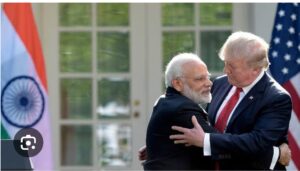
The strengthening of India–US ties intensified during the presidency of Donald Trump and continues in strategic frameworks today.
Opposition voices, including Rahul Gandhi, have described aspects of trade and defense agreements as potentially compromising sovereign autonomy.
Raising such concerns is constitutionally protected speech.
If threats—whether from fringe groups or ideological actors—emerge specifically in response to opposition against international trade agreements, the matter transcends domestic politics. It enters the domain of democratic integrity.
However, no verified evidence presently establishes coordination between foreign governments and domestic ideological organizations in relation to these threats. Any such claim requires independent judicial inquiry.
VI. THE CONSTITUTIONAL TEST
The core issue is not ideology. It is constitutional survival.
When:
Opposition leaders face reported threats,
Minority communities express insecurity,
Statutory institutions remain inactive,
Geopolitical agreements provoke domestic dissent,
the Republic must respond through lawful mechanisms—not through silence.
VII. FORMAL DEMANDS FOR CONSTITUTIONAL COMPLIANCE
In the spirit of democratic responsibility, the following are respectfully demanded:
1. Immediate forensic verification and investigation of the alleged Karni Sena video threat.
2. Security review for Rahul Gandhi and named MPs.
3. Clarificatory statements from RSS leadership to prevent communal misinterpretation.
4. Suo motu action by the Press Council of India regarding hate speech amplification.
5. Review by the National Commission for Minorities on communal impact of political rhetoric.
6. Parliamentary debate on sovereignty implications of major trade agreements.
VIII. CONCLUSION
Democracy does not collapse overnight. It erodes when institutions normalize intimidation.
This investigative notice does not assert conspiracies as fact. It asserts constitutional duty as non-negotiable.
If the opposition can be threatened for debating international trade agreements, parliamentary democracy stands diminished.
If minority citizens feel existential pressure, constitutional morality stands tested.
If institutions remain silent, history will record that silence.
India’s sovereignty is not secured by suppressing dissent. It is secured by protecting it.
The Republic must decide whether it remains governed by constitutional courage—or by ideological intimidation.
********
विषय: संस्थागत विफलता, बढ़ती राजनीतिक धमकियाँ और विपक्षी नेतृत्व व अल्पसंख्यक अधिकारों की संवैधानिक सुरक्षा का प्रश्न
लेखक: अहमद सोहैल सिद्दीकी
लेखक – Ink Against Erasure
वरिष्ठ पत्रकार एवं संपादक
I. प्रस्तावना
यह खोजी लेख भारत गणराज्य की संबंधित संवैधानिक एवं वैधानिक संस्थाओं को सार्वजनिक संवैधानिक नोटिस के रूप में प्रस्तुत किया जा रहा है।
यह निम्नलिखित गंभीर विषयों को उठाता है:
1. लोकसभा में विपक्ष के नेता Rahul Gandhi तथा अन्य सांसदों की सुरक्षा।
2. चरमपंथी समूहों से जुड़े व्यक्तियों द्वारा कथित सार्वजनिक धमकियाँ।
3. वरिष्ठ वैचारिक नेतृत्व से जुड़े कथनों के अल्पसंख्यक अधिकारों पर प्रभाव।
4. वैधानिक एवं संवैधानिक संस्थाओं की कथित न5. िष्क्रिया।
5. भारत-अमेरिका सामरिक संबंधों के लोकतांत्रिक प्रभाव।
यह दस्तावेज़ किसी आपराधिक षड्यंत्र को स्थापित तथ्य के रूप में प्रस्तुत नहीं करता, बल्कि विधिसम्मत जांच और संवैधानिक जवाबदेही की मांग करता है।
II. ऐतिहासिक पृष्ठभूमि
भारत के इतिहास में Mahatma Gandhi की हत्या, तत्पश्चात Indira Gandhi और Rajiv Gandhi की राजनीतिक हिंसा में मृत्यु दर्ज है।
Sanjay Gandhi और Dhirendra Brahmachari की विमान दुर्घटनाओं में मृत्यु आधिकारिक रूप से दुर्घटना मानी गई, किंतु जनचर्चा का विषय बनी रही।
किसी भी न्यायिक जांच ने विदेशी खुफिया एजेंसियों की संलिप्तता स्थापित नहीं की है। फिर भी, एक ही राजनीतिक परिवार के साथ बार-बार हुई हिंसात्मक घटनाएँ आज की परिस्थितियों में संवैधानिक सतर्कता की मांग करती हैं।
III. समकालीन खतरे
1. कर्णी सेना पदाधिकारी का कथित वीडियो
मीडिया रिपोर्टों और प्रसारित वीडियो में कर्णी सेना से जुड़े एक पदाधिकारी द्वारा राहुल गांधी एवं लगभग 25 सांसदों को कथित रूप से धमकी दिए जाने की बात सामने आई है—कि यदि वे अमेरिका-भारत व्यापार समझौते का विरोध जारी रखते हैं तो उनके घरों में घुसकर हत्या की जाएगी।
यदि यह वीडियो प्रामाणिक है, तो यह आपराधिक धमकी एवं संसदीय कार्य में बाधा का गंभीर मामला है। तत्काल जांच आवश्यक है।
2. आरएसएस नेतृत्व से जुड़े कथन
Mohan Bhagwat द्वारा भारतीय मुसलमानों की पहचान पर दिए गए कथनों पर व्यापक बहस हुई है। इसका सार्वजनिक प्रतिवाद Arshad Madani ने किया, जिन्होंने स्पष्ट किया कि भारतीय मुसलमान अपने संवैधानिक अधिकारों से समझौता नहीं करेंगे।
संविधान के अनुच्छेद 14, 21 और 25 के आलोक में ऐसे कथनों का परीक्षण आवश्यक है।
IV. संस्थागत निष्क्रियता
2014 के बाद, प्रधानमंत्री Narendra Modi के कार्यकाल में कुछ वैधानिक संस्थाओं की स्वतंत्रता पर प्रश्न उठाए गए हैं, जैसे:
Press Council of India
National Commission for Minorities
Central Waqf Council
क्या इन संस्थाओं ने स्वतः संज्ञान लिया?
क्या इन्होंने लोकतांत्रिक विमर्श की रक्षा की?
यह प्रश्न अनुत्तरित हैं।
V. भू-राजनीतिक आयाम
Donald Trump के कार्यकाल में भारत-अमेरिका संबंधों में तीव्रता आई। विपक्ष ने कुछ व्यापारिक समझौतों को संप्रभुता पर संभावित प्रभाव के रूप में वर्णित किया है।
ऐसी आलोचना लोकतांत्रिक अधिकार है।
किसी भी विदेशी-घरेलू षड्यंत्र का आरोप बिना साक्ष्य के स्थापित तथ्य नहीं माना जा सकता। अतः स्वतंत्र जांच आवश्यक है।
निष्कर्ष
यदि विपक्षी नेताओं को संसद में बहस करने पर धमकियाँ मिलती हैं, तो लोकतंत्र संकट में है।
यदि अल्पसंख्यकों में असुरक्षा की भावना उत्पन्न होती है, तो संविधान की परीक्षा हो रही है।
यदि संस्थाएँ मौन रहती हैं, तो इतिहास उस मौन को दर्ज करेगा।
भारत की संप्रभुता असहमति की रक्षा से ही सुरक्षित रहती है।
—
اردو ورژن (لفظ بہ لفظ ترجمہ)
قانونی نوٹس طرز کی تحقیقاتی تحریر
موضوع: ادارہ جاتی ناکامی، بڑھتی ہوئی سیاسی دھمکیاں اور حزبِ اختلاف و اقلیتوں کے آئینی تحفظ کا سوال
تحریر: احمد سہیل صدیقی
مصنف – Ink Against Erasure
سینئر صحافی و مدیر
I. تمہید
یہ تحقیقاتی مضمون جمہوریہ ہند کے متعلقہ آئینی و قانونی اداروں کے نام ایک عوامی آئینی نوٹس کی حیثیت سے پیش کیا جا رہا ہے۔
یہ مندرجہ ذیل امور اٹھاتا ہے:
1. لوک سبھا میں قائدِ حزبِ اختلاف Rahul Gandhi اور دیگر اراکینِ پارلیمنٹ کی سلامتی۔
2. شدت پسند عناصر کی جانب سے مبینہ عوامی دھمکیاں۔
3. نظریاتی قیادت کے بیانات کے اقلیتی حقوق پر اثرات۔
4. آئینی و قانونی اداروں کی مبینہ خاموشی۔
5. ہند۔امریکہ اسٹریٹجک تعلقات کے جمہوری مضمرات۔
یہ دستاویز کسی مجرمانہ سازش کو ثابت شدہ حقیقت کے طور پر پیش نہیں کرتی بلکہ قانونی تحقیقات اور آئینی جوابدہی کا مطالبہ کرتی ہے۔
II. تاریخی پس منظر
Mahatma Gandhi کا قتل، پھر Indira Gandhi اور Rajiv Gandhi کی شہادتیں تاریخ کا حصہ ہیں۔
Sanjay Gandhi اور Dhirendra Brahmachari کی ہوائی حادثات میں موت سرکاری طور پر حادثہ قرار دی گئی، مگر عوامی مباحث جاری رہے۔
کسی عدالتی فیصلے نے غیر ملکی ایجنسیوں کی شمولیت ثابت نہیں کی۔ مگر بار بار سیاسی سانحات آئینی چوکسی کا تقاضا کرتے ہیں۔
III. موجودہ خطرات
1. کرنی سینا عہدیدار کی مبینہ ویڈیو
میڈیا رپورٹس کے مطابق ایک ویڈیو میں کرنی سینا سے وابستہ عہدیدار نے Rahul Gandhi اور تقریباً 25 ارکانِ پارلیمنٹ کو دھمکی دی کہ اگر وہ امریکہ۔بھارت تجارتی معاہدے کی مخالفت جاری رکھیں تو انہیں گھروں میں گھس کر قتل کیا جائے گا۔
اگر یہ ویڈیو مستند ہے تو یہ سنگین مجرمانہ دھمکی ہے اور فوری تفتیش لازم ہے۔
2. آر ایس ایس قیادت سے منسوب بیانات
Mohan Bhagwat کے بیانات پر بحث ہوئی، جس کا جواب Arshad Madani نے دیتے ہوئے کہا کہ مسلمان اپنے آئینی حقوق سے دستبردار نہیں ہوں گے۔
یہ معاملہ آئین ہند کے آرٹیکل 14، 21 اور 25 کی روشنی میں جانچا جانا چاہیے۔
IV. ادارہ جاتی خاموشی
وزیر اعظم Narendra Modi کے دور میں بعض اداروں کی غیر جانبداری پر سوالات اٹھے ہیں:
Press Council of India
National Commission for Minorities
Central Waqf Council
کیا ان اداروں نے از خود نوٹس لیا؟
کیا جمہوری اختلاف کا تحفظ کیا گیا؟
اختتامیہ
اگر حزبِ اختلاف کو پارلیمان میں اظہارِ رائے پر دھمکیاں ملیں تو جمہوریت کمزور ہوتی ہے۔
اگر اقلیتیں عدم تحفظ محسوس کریں تو آئین کی آزمائش ہوتی ہے۔
اگر ادارے خاموش رہیں تو تاریخ اس خاموشی کو قلم بند کرے گی۔
ہندوستان کی خودمختاری اختلاف کے تحفظ سے ہی برقرار رہ سکتی ہے۔
********