
 Iftar at Shahi Jama Masjid: When Faith Gatherings Enter the Geopolitical Arena
By Ahmed Sohail Siddiqui
The controversy surrounding what many observers now call “Iftar Diplomacy” has taken a more serious turn following an Iftar gathering held at the historic Jama Masjid in New Delhi.
What would normally be regarded as a spiritual gathering during the holy month of Ramadan has instead triggered intense debate about the intersection of religion, media influence, diplomacy, and geopolitics.
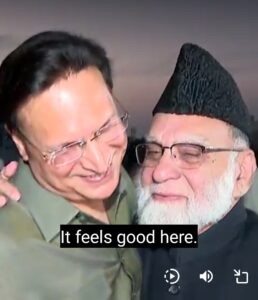
A video circulating online, titled “Iftar at Shahi Jama Masjid Delhi – Dangerous than Atom Bomb”, has further amplified the controversy by highlighting the presence of several high-profile guests and raising questions about the political symbolism surrounding the event.
Questions Around International Guests
One of the most discussed aspects of the gathering was the presence of Dr.Patrycja Sasnal, a Polish Middle East expert known for her research on global diplomacy and regional politics.
Dr. Sasnal had reportedly been in India to attend the Raisina Dialogue, the annual geopolitical conference organized in New Delhi. The forum attracts diplomats, scholars, and policy experts from across the world.
Her appearance at the Jama Masjid Iftar gathering has raised questions among observers about how international policy analysts attending strategic conferences become associated with religious events in India’s most prominent mosque.
The Observer Research Foundation, which co-hosts the Raisina Dialogue along with India’s Ministry of External Affairs, frequently invites global experts to discuss international security and foreign policy. But critics argue that the transition from diplomatic forums to religious gatherings blurs boundaries between public diplomacy and religious symbolism.
Media Power and Political Networks
Another figure frequently mentioned in the debate surrounding the event is television personality Rajat Sharma, founder of India TV.
Sharma, widely known for his influential television program Aap Ki Adalat, has long been considered close to sections of India’s political establishment. His professional journey—from modest beginnings to building a multi-crore media network—has often been described as one of the most dramatic success stories in Indian television journalism.
Critics, however, claim that segments of India’s television media ecosystem play a significant role in shaping narratives aligned with political power structures.
These debates have intensified amid India’s evolving diplomatic positioning in global conflicts involving Israel, Iran, and Western alliances.
The Role of Religious Leadership
At the center of the controversy is the leadership of Jama Masjid, headed by Ahmed Bukhari and members of the Bukhari family who have traditionally held the position of Shahi Imam for generations.
Critics argue that religious institutions must remain independent of political and diplomatic influence, especially during periods of international conflict involving Muslim-majority nations.
Supporters of the mosque leadership dismiss these allegations as politically motivated and insist that the Jama Masjid has historically hosted guests from diverse backgrounds as part of India’s tradition of interfaith engagement.
Diplomacy in a Religious Setting
The presence of foreign diplomats and dignitaries—including reportedly the Philip Green—has added to the diplomatic dimension of the gathering.
In international politics, such gestures are often interpreted as symbolic diplomacy, where participation in cultural or religious events is intended to demonstrate goodwill toward communities.
However, when these gatherings occur in politically sensitive contexts—particularly amid tensions involving Benjamin Netanyahu, Israel, and Iran—they can quickly become controversial.
A Community Debate
Within the Indian Muslim community, the issue has triggered a broader debate about representation and leadership.
Some voices argue that religious institutions should remain strictly spiritual spaces, insulated from geopolitical messaging. Others contend that engaging with diplomats and policymakers is a necessary part of representing Muslim interests in a complex global environment.
The reality may lie somewhere in between.
In an era where media narratives, diplomatic signaling, and religious symbolism increasingly intersect, even a Ramadan Iftar can become a stage for larger geopolitical conversations.
Beyond the Controversy
The real significance of the Jama Masjid Iftar controversy may not lie in any single allegation or guest list. Rather, it reflects a deeper transformation in how religious spaces, political narratives, and global diplomacy interact in modern India.
For centuries, Jama Masjid has symbolized spiritual authority and historical continuity.
Today, it also finds itself at the crossroads of media scrutiny, political interpretation, and international diplomacy.
And as the debate continues, one question remains unresolved:
When diplomacy enters sacred spaces, where should the line between faith and politics be drawn?
********
शाही जामा मस्जिद में इफ्तार: जब आस्था की सभाएँ भू-राजनीतिक क्षेत्र में प्रवेश करती हैं
अहमद सोहैल सिद्दीकी द्वारा
जिस विवाद को अब कई पर्यवेक्षक “इफ्तार डिप्लोमेसी” कह रहे हैं, वह Jama Masjid में आयोजित एक इफ्तार सभा के बाद और अधिक गंभीर मोड़ ले चुका है।
जो सामान्यतः रमज़ान के पवित्र महीने के दौरान एक आध्यात्मिक सभा के रूप में देखा जाता, उसने इसके बजाय धर्म, मीडिया प्रभाव, कूटनीति और भू-राजनीति के परस्पर संबंध पर तीखी बहस को जन्म दे दिया है।
ऑनलाइन प्रसारित हो रहा एक वीडियो, जिसका शीर्षक “Iftar at Shahi Jama Masjid Delhi – Dangerous than Atom Bomb” है, कई उच्च-प्रोफ़ाइल मेहमानों की उपस्थिति को उजागर करते हुए इस विवाद को और बढ़ा रहा है तथा इस आयोजन से जुड़े राजनीतिक प्रतीकवाद पर प्रश्न उठा रहा है।
अंतरराष्ट्रीय मेहमानों को लेकर प्रश्न
इस सभा के सबसे अधिक चर्चा में रहने वाले पहलुओं में से एक Dr.Patrycja Sasnal की उपस्थिति थी, जो एक पोलिश मध्य-पूर्व विशेषज्ञ हैं और वैश्विक कूटनीति तथा क्षेत्रीय राजनीति पर अपने शोध के लिए जानी जाती हैं।
डॉ. सस्नाल कथित तौर पर भारत में Raisina Dialogue में भाग लेने के लिए आई थीं, जो New Delhi में आयोजित होने वाला वार्षिक भू-राजनीतिक सम्मेलन है। यह मंच दुनिया भर से राजनयिकों, विद्वानों और नीतिगत विशेषज्ञों को आकर्षित करता है।
जामा मस्जिद के इफ्तार समारोह में उनकी उपस्थिति ने पर्यवेक्षकों के बीच यह सवाल खड़ा किया है कि रणनीतिक सम्मेलनों में भाग लेने वाले अंतरराष्ट्रीय नीति विश्लेषक भारत की सबसे प्रमुख मस्जिद में आयोजित धार्मिक कार्यक्रमों से कैसे जुड़ जाते हैं।
Observer Research Foundation, जो भारत के विदेश मंत्रालय के साथ मिलकर रायसीना डायलॉग का सह-आयोजन करता है, अक्सर अंतरराष्ट्रीय सुरक्षा और विदेश नीति पर चर्चा के लिए वैश्विक विशेषज्ञों को आमंत्रित करता है। लेकिन आलोचकों का तर्क है कि कूटनीतिक मंचों से धार्मिक सभाओं तक का यह संक्रमण सार्वजनिक कूटनीति और धार्मिक प्रतीकवाद के बीच की सीमाओं को धुंधला कर देता है।
मीडिया शक्ति और राजनीतिक नेटवर्क
इस आयोजन से जुड़ी बहस में अक्सर जिस अन्य व्यक्ति का उल्लेख किया जाता है, वह टेलीविज़न व्यक्तित्व Rajat Sharma हैं, जो India TV के संस्थापक हैं।
शर्मा, अपने प्रभावशाली टेलीविज़न कार्यक्रम आप की अदालत के लिए व्यापक रूप से जाने जाते हैं और लंबे समय से उन्हें भारत के राजनीतिक प्रतिष्ठान के कुछ वर्गों के करीब माना जाता रहा है। उनकी पेशेवर यात्रा—साधारण शुरुआत से लेकर बहु-करोड़ मीडिया नेटवर्क के निर्माण तक—अक्सर भारतीय टेलीविज़न पत्रकारिता की सबसे नाटकीय सफलता कथाओं में से एक के रूप में वर्णित की जाती है।
हालाँकि आलोचकों का दावा है कि भारत के टेलीविज़न मीडिया तंत्र के कुछ हिस्से राजनीतिक शक्ति संरचनाओं के अनुरूप कथाएँ गढ़ने में महत्वपूर्ण भूमिका निभाते हैं।
ये बहसें वैश्विक संघर्षों में भारत की विकसित होती कूटनीतिक स्थिति के बीच और तीव्र हो गई हैं, जिनमें Israel, Iran, और पश्चिमी गठबंधन शामिल हैं।
धार्मिक नेतृत्व की भूमिका
इस विवाद के केंद्र में Jama Masjid का नेतृत्व है, जिसका नेतृत्व Ahmed Bukhari और बुखारी परिवार के सदस्य करते हैं, जो पीढ़ियों से शाही इमाम के पद को संभालते आए हैं।
आलोचकों का कहना है कि धार्मिक संस्थानों को राजनीतिक और कूटनीतिक प्रभाव से स्वतंत्र रहना चाहिए, विशेष रूप से उन अवधियों के दौरान जब मुस्लिम-बहुल देशों से जुड़े अंतरराष्ट्रीय संघर्ष चल रहे हों।
मस्जिद के नेतृत्व के समर्थक इन आरोपों को राजनीतिक रूप से प्रेरित बताते हैं और जोर देते हैं कि जामा मस्जिद ने ऐतिहासिक रूप से विभिन्न पृष्ठभूमियों के मेहमानों की मेजबानी की है, जो भारत की अंतरधार्मिक संवाद की परंपरा का हिस्सा है।
धार्मिक परिवेश में कूटनीति
विदेशी राजनयिकों और गणमान्य व्यक्तियों की उपस्थिति—जिनमें कथित रूप से Philip Green भी शामिल हैं—ने इस सभा के कूटनीतिक आयाम को और बढ़ा दिया है।
अंतरराष्ट्रीय राजनीति में ऐसे इशारों को अक्सर प्रतीकात्मक कूटनीति के रूप में देखा जाता है, जहाँ सांस्कृतिक या धार्मिक आयोजनों में भागीदारी का उद्देश्य समुदायों के प्रति सद्भावना प्रदर्शित करना होता है।
हालाँकि जब ऐसे आयोजन राजनीतिक रूप से संवेदनशील संदर्भों में होते हैं—विशेषकर Benjamin Netanyahu, Israel, और Iran से जुड़ी तनावपूर्ण परिस्थितियों के बीच—तो वे जल्दी ही विवाद का विषय बन सकते हैं।
समुदाय के भीतर बहस
भारतीय मुस्लिम समुदाय के भीतर इस मुद्दे ने प्रतिनिधित्व और नेतृत्व को लेकर व्यापक बहस को जन्म दिया है।
कुछ आवाज़ें तर्क देती हैं कि धार्मिक संस्थानों को पूरी तरह आध्यात्मिक स्थल बने रहना चाहिए और उन्हें भू-राजनीतिक संदेशों से अलग रखना चाहिए। जबकि अन्य का मानना है कि जटिल वैश्विक वातावरण में मुस्लिम हितों का प्रतिनिधित्व करने के लिए राजनयिकों और नीति-निर्माताओं के साथ संवाद आवश्यक है।
सच्चाई शायद इन दोनों के बीच कहीं स्थित है।
ऐसे दौर में जब मीडिया कथाएँ, कूटनीतिक संकेत और धार्मिक प्रतीकवाद लगातार एक-दूसरे से जुड़ रहे हैं, तब एक रमज़ान इफ्तार भी बड़े भू-राजनीतिक संवादों का मंच बन सकता है।
विवाद से परे
जामा मस्जिद इफ्तार विवाद का वास्तविक महत्व किसी एक आरोप या अतिथि सूची में नहीं हो सकता। बल्कि यह आधुनिक भारत में धार्मिक स्थलों, राजनीतिक कथाओं और वैश्विक कूटनीति के परस्पर संबंधों में हो रहे गहरे परिवर्तन को दर्शाता है।
सदियों से Jama Masjid आध्यात्मिक अधिकार और ऐतिहासिक निरंतरता का प्रतीक रहा है।
आज यह मीडिया जांच, राजनीतिक व्याख्या और अंतरराष्ट्रीय कूटनीति के चौराहे पर भी खड़ा दिखाई देता है।
और जैसे-जैसे बहस जारी है, एक प्रश्न अब भी अनुत्तरित बना हुआ है:
जब कूटनीति पवित्र स्थलों में प्रवेश करती है, तो आस्था और राजनीति के बीच की रेखा कहाँ खींची जानी चाहिए?
******
شاہی جامع مسجد میں افطار: جب ایمان کی محفلیں جیوپولیٹیکل میدان میں داخل ہوتی ہیں
از Ahmed Sohail Siddiqui
جس تنازع کو اب بہت سے مبصرین “افطار ڈپلومیسی” کا نام دے رہے ہیں، وہ Jama Masjid میں منعقد ہونے والی ایک افطار تقریب کے بعد زیادہ سنگین رخ اختیار کر گیا ہے۔
جو عام طور پر رمضان کے مقدس مہینے میں ایک روحانی اجتماع سمجھا جاتا ہے، اس نے اس کے بجائے مذہب، میڈیا کے اثر و رسوخ، سفارت کاری اور جیوپولیٹکس کے باہمی تعلق پر شدید بحث کو جنم دیا ہے۔
آن لائن گردش کرنے والی ایک ویڈیو جس کا عنوان “Iftar at Shahi Jama Masjid Delhi – Dangerous than Atom Bomb” ہے، کئی نمایاں مہمانوں کی موجودگی کو اجاگر کرتے ہوئے اس تنازع کو مزید بڑھا رہی ہے اور اس تقریب سے جڑے سیاسی علامتی پہلوؤں پر سوالات اٹھا رہی ہے۔
بین الاقوامی مہمانوں کے بارے میں سوالات
اس اجتماع کے سب سے زیادہ زیرِ بحث پہلوؤں میں سے ایک Dr.Patrycja Sasnal کی موجودگی تھی، جو ایک پولینڈ کی مشرقِ وسطیٰ کی ماہر ہیں اور عالمی سفارت کاری اور علاقائی سیاست پر اپنی تحقیق کے لیے جانی جاتی ہیں۔
ڈاکٹر ساسنال مبینہ طور پر بھارت میں Raisina Dialogue میں شرکت کے لیے آئی تھیں، جو New Delhi میں منعقد ہونے والی سالانہ جیوپولیٹیکل کانفرنس ہے۔ یہ فورم دنیا بھر سے سفارت کاروں، اسکالرز اور پالیسی ماہرین کو اپنی طرف متوجہ کرتا ہے۔
جامع مسجد کی افطار تقریب میں ان کی موجودگی نے مبصرین کے درمیان یہ سوال پیدا کر دیا ہے کہ اسٹریٹجک کانفرنسوں میں شرکت کرنے والے بین الاقوامی پالیسی تجزیہ کار بھارت کی سب سے نمایاں مسجد میں ہونے والی مذہبی تقریبات سے کیسے منسلک ہو جاتے ہیں۔
Observer Research Foundation، جو بھارت کی وزارتِ خارجہ کے ساتھ مل کر رائزینا ڈائیلاگ کی میزبانی کرتا ہے، اکثر عالمی ماہرین کو بین الاقوامی سلامتی اور خارجہ پالیسی پر گفتگو کے لیے مدعو کرتا ہے۔ لیکن ناقدین کا کہنا ہے کہ سفارتی فورمز سے مذہبی اجتماعات تک کا یہ سفر عوامی سفارت کاری اور مذہبی علامتوں کے درمیان حدوں کو دھندلا دیتا ہے۔
********