


**”A Scripted Conflict? The Hidden Hand Behind the Indo-Pak War Drums and America’s Geostrategic Chessboard”**
*By Ahmed Sohail Siddiqui*

**Introduction: The Theatre of War**
The subcontinent once again teeters on the edge of war. Jingoistic rhetoric, cross-border strikes, airspace violations, and diplomatic showdowns flood the headlines. But as dust settles on the latest Indo-Pak standoff, a haunting question resurfaces: **Is this war real—or just another episode in a geopolitical game show staged for the global audience?** Could the United States, long accused of playing both sides, be orchestrating a larger design through controlled chaos in South Asia
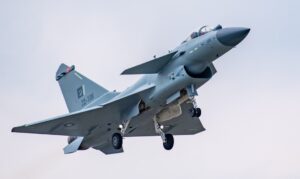
**Act I: History Repeats—The Indo-Pak War Template**
Since 1947, India and Pakistan have fought **four wars and numerous skirmishes**, each ending inconclusively. However, a common pattern has emerged:
1. **A sudden terror attack or border violation.**
2. **A swift blame game.**
3. **High-decibel nationalism in both countries.**
4. **Backchannel diplomacy involving Washington, D.C.**
5. **Ceasefire and aid packages.**
This repetitive cycle suggests not an organic geopolitical rivalry, but a **well-scripted, internationalized simulation of conflict**—with the USA often stepping in as the “peacemaker.”
**Act II: America’s South Asian Game Plan**
**1. The ‘Controlled Chaos’ Doctrine**
America’s post-Cold War strategy—articulated by Zbigniew Brzezinski and later practiced by Dick Cheney’s doctrine—relies on **”managing conflicts”** rather than resolving them. Keeping South Asia in a state of **perpetual instability** serves multiple purposes:
* **Checkmate China** through proxy instability.
* **Control Islamic radicalization** by maintaining surveillance justifications.
* **Keep both India and Pakistan militarily dependent on US weapons technology.**
**2. Arms Sales: Business of Blood**
The U.S. remains a top arms supplier to both India and Pakistan:
* **India:** over \$20 billion in defense deals in the last decade.
* **Pakistan:** recipient of \$33 billion in military and economic aid post-9/11.
Conflict boosts arms sales. Who benefits most? American defense contractors—**Lockheed Martin, Raytheon, Boeing, and General Dynamics.**
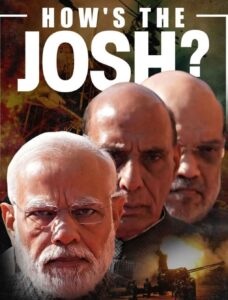
**Act III: Media, Manipulation, and Manufactured Consent**
U.S. media and think tanks often dominate the global narrative:
* **RAND Corporation**, **Brookings**, and **Council on Foreign Relations** constantly publish conflicting security analysis on South Asia.
* Western news agencies selectively highlight **terror threats from Pakistan** while subtly **endorsing India’s hardline policies**.
This dual messaging **legitimizes arms deals, drone surveillance, and a constant US presence** in regional affairs.
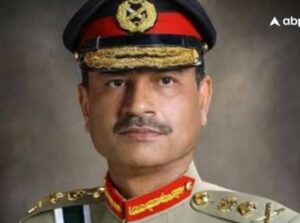
**Act IV: The Real Purpose of This War – A Three-Fold Gain**
**1. Re-Election Tool for Political Rulers**
* In India, war boosts electoral prospects of ruling nationalists.
* In Pakistan, the army and ISI use tension to regain domestic control.
**2. Economic Diversion**
* War rhetoric allows both countries to divert public attention from unemployment, inflation, and social unrest.
* Global investors shift funds to defense-linked stocks, stabilizing Wall Street and giving U.S. control over war economies.
**3. Establishing a New Cold War Axis**
* With Russia-China-Iran forming a Eurasian bloc, U.S. wants India to stay on its side.
* Staging Indo-Pak tension reminds India of its ‘need’ for Western security umbrellas like **QUAD, NATO Plus, or AUKUS alignment.**
**Act V: The Smoking Gun – Evidence of Coordination**
* **Backchannel Peace Talks**: Even at war’s edge, Indian and Pakistani officials continue secret dialogues—often facilitated by the CIA and Pentagon.
* **Joint Military Exercises**: Despite border tensions, both countries have recently engaged in **multilateral military drills involving the U.S.** (e.g., RIMPAC, Shanghai Cooperation Org).
* **IMF and FATF Leverage**: U.S. often uses **IMF funding for Pakistan** or **FATF greylisting** as diplomatic tools to choreograph Pakistani behavior.
**Conclusion: Not War—But Performance**
If war is theatre, then **India and Pakistan are not the scriptwriters—they are actors.** The script is written in **Washington D.C.**, edited by global corporate lobbies, and screened live for the world. The real enemy is not across the border, but **above it—where the puppeteers pull the strings unseen.**
It is time both nations recognize this pattern and break free from the cycle. Real sovereignty is not in how loud you shout “nationalism,” but in refusing to be **a pawn in someone else’s war game.**
—
**एक पूर्वनिर्धारित युद्ध? भारत-पाक युद्ध के शोर के पीछे अमेरिका का छिपा हुआ हाथ****लेखक: अहमद सोहैल सिद्दीकी**
**प्रस्तावना: युद्ध का रंगमंच**
उपमहाद्वीप एक बार फिर युद्ध के कगार पर है। राष्ट्रवादी भाषण, सीमा पार हमले, हवाई क्षेत्र का उल्लंघन और कूटनीतिक टकराव सुर्खियों में हैं। लेकिन जब धूल छंटती है, तो एक खौफनाक सवाल उभरता है: **क्या यह युद्ध वास्तविक है — या सिर्फ एक वैश्विक दर्शकों के लिए मंचित किया गया भू-राजनीतिक नाटक?** क्या अमेरिका, जो लंबे समय से दोनों पक्षों को साधने का आरोप झेलता रहा है, इस पूरे तमाशे का निर्देशक है?
**अध्याय I: इतिहास दोहराता है — भारत-पाक युद्ध का टेम्पलेट**
1947 से अब तक भारत और पाकिस्तान के बीच चार युद्ध और कई बार सीमा पर टकराव हो चुके हैं। लेकिन हर बार एक पैटर्न दिखता है:
1. अचानक आतंकवादी हमला या सीमा उल्लंघन
2. तत्काल दोषारोपण
3. दोनों देशों में राष्ट्रवाद की उग्रता
4. अमेरिका की गुप्त मध्यस्थता
5. युद्धविराम और विदेशी सहायता
यह दोहराव नाटकीयता और पूर्व नियोजित रणनीति की ओर संकेत करता है।
**अध्याय II: अमेरिका की दक्षिण एशियाई योजना**
**1. ‘नियंत्रित अराजकता’ सिद्धांत**
अमेरिका की रणनीति है **”संघर्ष को बनाए रखना, समाप्त नहीं करना”।** इसके ज़रिए:
* चीन की वृद्धि को रोकना
* इस्लामी कट्टरपंथ पर नियंत्रण
* भारत और पाकिस्तान दोनों को अमेरिकी हथियारों पर निर्भर बनाना
**2. हथियारों की बिक्री — खून का व्यापार**
* भारत: \$20 बिलियन से अधिक के रक्षा सौदे
* पाकिस्तान: 9/11 के बाद \$33 बिलियन की सहायता
युद्ध की स्थिति अमेरिकी हथियार कंपनियों — **Lockheed Martin, Raytheon, Boeing** आदि के लिए सोने की खान है।
**अध्याय III: मीडिया और जनमत का निर्माण**
अमेरिकी थिंक टैंक और मीडिया दक्षिण एशिया की कहानी को अपने हिसाब से गढ़ते हैं:
* **RAND**, **Brookings**, **CFR** जैसी संस्थाएं
* भारतीय राष्ट्रवाद को समर्थन, पाक खतरे को बढ़ा-चढ़ाकर पेश करना
यह माहौल अमेरिका के दखल और हथियार सौदों को न्यायसंगत ठहराता है।
**अध्याय IV: इस युद्ध का असली मक़सद**
**1. राजनीतिक सत्ता का साधन**
चुनावों में युद्धभाषा सत्ताधारी दलों को लाभ देती है।
**2. आर्थिक विकर्षण**
महंगाई, बेरोज़गारी से ध्यान भटकाना। शेयर बाजार में रक्षा कंपनियों को मुनाफा।
**3. नया शीतयुद्ध समीकरण**
चीन-रूस-ईरान धुरी के खिलाफ भारत को अमेरिका के साथ बनाए रखना।
**अध्याय V: सबूत जो चीखते हैं**
* गुप्त वार्ताएं: CIA द्वारा संचालित
* संयुक्त सैन्य अभ्यास: दुश्मनी के बीच भी साझा युद्धाभ्यास
* IMF और FATF का दबाव: पाकिस्तान को नियंत्रित करने का माध्यम
**निष्कर्ष: यह युद्ध नहीं, नाटक है**
भारत और पाकिस्तान लेखक नहीं, **अमेरिकी नाटक के पात्र** हैं। असली दुश्मन सीमा पार नहीं, **आकाश में है — वह जो डोर खींच रहा है।**
—
**ایک طے شدہ جنگ؟ بھارت-پاک کشیدگی کے پیچھے امریکہ کا خفیہ کردار**
**تحریر: احمد سہیل صدیقی**
**تمہید: جنگ کا اسٹیج**
برصغیر ایک بار پھر جنگ کے دہانے پر ہے۔ حب الوطنی کا شور، سرحد پار حملے، فضائی خلاف ورزیاں اور سفارتی کشمکش۔ لیکن جب گرد بیٹھتی ہے، ایک سوال جنم لیتا ہے:
**کیا یہ جنگ اصلی ہے — یا ایک عالمی ناظرین کے لیے سکرپٹڈ ڈراما؟**
کیا امریکہ، جو ہمیشہ دونوں طرف کے ساتھ کھیلنے کا ملزم رہا ہے، اس ساری کشیدگی کا اسکرپٹ رائٹر ہے؟
**باب اول: تاریخ کی تکرار — بھارت-پاک جنگ کا فارمولہ**
1947 سے آج تک چار جنگیں، اور درجنوں جھڑپیں۔ مگر ہر بار ایک جیسا پیٹرن:
1. اچانک حملہ یا دہشتگردی
2. الزام تراشی
3. دونوں ممالک میں حب الوطنی کی آگ
4. امریکہ کی خفیہ مداخلت
5. جنگ بندی اور مالی امداد
یہ سب کچھ کسی طے شدہ منصوبہ بندی کی طرف اشارہ کرتا ہے۔
**باب دوم: امریکہ کا جنوبی ایشیا منصوبہ**
**1. کنٹرولڈ افراتفری کی پالیسی**
امریکہ کی حکمت عملی: **”تنازعہ برقرار رکھو، حل مت کرو”** تاکہ:
* چین کو محدود کیا جا سکے
* شدت پسندی کو کنٹرول کیا جا سکے
* بھارت و پاکستان کو اسلحہ پر انحصار میں رکھا جا سکے
**2. اسلحہ کی تجارت — خون کی کمائی**
* بھارت: \$20 بلین سے زائد دفاعی سودے
* پاکستان: 9/11 کے بعد \$33 بلین کی مدد
اسلحہ کمپنیاں جیسے **Lockheed Martin، Raytheon، Boeing** سب سے بڑا فائدہ اٹھاتی ہیں۔
**باب سوم: میڈیا اور بیانیے کی جنگ**
امریکی میڈیا اور تھنک ٹینکس رائے عامہ کو قابو میں رکھتے ہیں:
* **RAND، Brookings، CFR** جیسی تنظیمیں
* بھارت کے سخت رویے کی حمایت، پاکستان کو خطرہ بنا کر پیش کرنا
یہ امریکی مداخلت اور دفاعی سودوں کو جائز قرار دیتا ہے۔
**باب چہارم: اس جنگ کا اصل مقصد**
**1. سیاسی فائدہ**
انتخابات میں دونوں ممالک کی قیادت کو فائدہ
**2. معیشت سے توجہ ہٹانا**
مہنگائی، بیروزگاری سے عوام کی توجہ ہٹائی جاتی ہے
**3. نیا سرد جنگ اتحاد**
چین-روس-ایران بلاک کے خلاف بھارت کو مغرب کے کیمپ میں رکھنا
**باب پنجم: چیختے ثبوت**
* خفیہ بات چیت: اکثر CIA کی مدد سے
* مشترکہ فوجی مشقیں: دشمنی کے باوجود مشترکہ تربیت
* IMF اور FATF کے ذریعے پاکستان پر دباؤ
**اختتامیہ: جنگ نہیں، تماشا ہے**
اگر جنگ ایک اسٹیج ہے تو بھارت اور پاکستان **اداکار** ہیں۔ ہدایتکار واشنگٹن میں بیٹھا ہے۔ دشمن سرحد پار نہیں، **اوپر ہے — جہاں سے کٹھ پتلیوں کی ڈور کھینچی جا رہی ہے۔**
—