
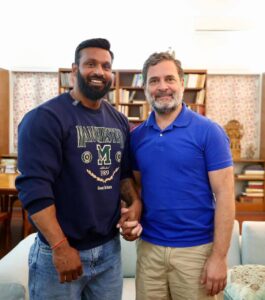
 The Danger of Political Elimination in Democracies: Why Concerns About Rahul Gandhi’s Security Matter
By Ahmed Sohail Siddiqui
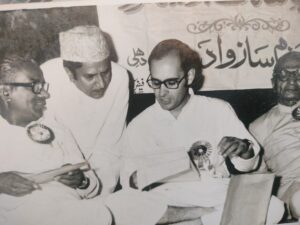
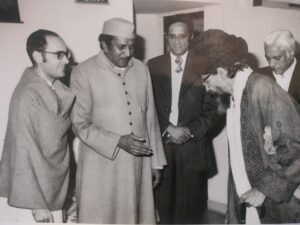
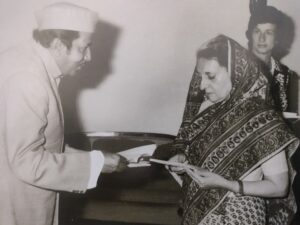
India’s democratic journey has been marked not only by electoral battles but also by moments of profound political tragedy. The assassinations of Prime Minister Indira Gandhi in 1984 and former Prime Minister Rajiv Gandhi in 1991 remain among the darkest chapters in the nation’s political history. These events serve as reminders that political leadership in India has, at times, carried extraordinary risks.
Today, as Rahul Gandhi emerges as one of the most visible opposition voices challenging the ruling establishment, questions regarding the safety and security of major political leaders naturally attract public attention. Whether one agrees with his politics or disagrees with his positions, the principle at stake extends beyond any individual politician.
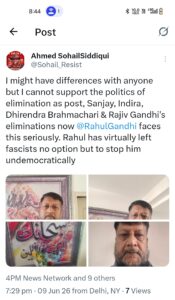
Democracy functions on the basis of competition through ideas, public debate, and elections. Its legitimacy is weakened whenever political conflicts are framed in terms of destroying opponents rather than defeating them at the ballot box. History shows that societies become vulnerable when political rivals are increasingly portrayed as enemies rather than fellow participants in a constitutional system.
Rahul Gandhi’s political journey has been marked by sustained criticism of government policies, economic priorities, institutional functioning, and social polarization. His supporters argue that he has become a significant challenger to the dominant political narrative in India. His critics reject his positions and electoral strategy. Such disagreements are normal in a democracy.

What should not be normal, however, is the normalization of threats, hatred, or rhetoric that can contribute to a climate of political hostility. Regardless of party affiliation, every major political leader deserves protection under the law and the ability to campaign, speak, and organize without fear.
The larger question is not whether one supports Rahul Gandhi, the Congress Party, the BJP, or any other political formation. The real question is whether Indians remain committed to a democratic culture where governments change through votes and public persuasion rather than intimidation or violence.
Political history across the world demonstrates that the assassination or silencing of leaders rarely resolves ideological conflicts. Instead, such events often deepen divisions, create instability, and leave lasting scars on national consciousness.
For that reason, concerns about the safety of public leaders should never be dismissed casually. Nor should such concerns become vehicles for unverified accusations. A mature democracy requires vigilance, accountability, and respect for due process.
The lesson of India’s past tragedies is simple: political opponents must be challenged democratically, not eliminated. Elections, public debate, and constitutional institutions must remain the only legitimate arenas for deciding the nation’s future.
In the end, the security of any opposition leader is not merely a personal issue. It is a test of the health, confidence, and democratic character of the Republic itself.
********
The Danger of Political Elimination in Democracies: Why Concerns About Rahul Gandhi’s Security Matter
Second View
India’s democratic journey has been marked not only by electoral battles but also by moments of profound political tragedy. The assassinations of Prime Minister Indira Gandhi in 1984 and former Prime Minister Rajiv Gandhi in 1991 remain among the darkest chapters in the nation’s political history. These events serve as reminders that political leadership in India has, at times, carried extraordinary risks.
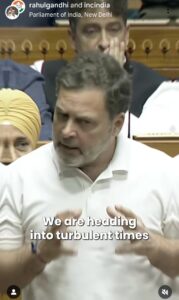
Today, as Rahul Gandhi emerges as one of the most visible opposition voices challenging the ruling establishment, questions regarding the safety and security of major political leaders naturally attract public attention. Whether one agrees with his politics or disagrees with his positions, the principle at stake extends beyond any individual politician.
Democracy functions on the basis of competition through ideas, public debate, and elections. Its legitimacy is weakened whenever political conflicts are framed in terms of destroying opponents rather than defeating them at the ballot box. History shows that societies become vulnerable when political rivals are increasingly portrayed as enemies rather than fellow participants in a constitutional system.
Rahul Gandhi’s political journey has been marked by sustained criticism of government policies, economic priorities, institutional functioning, and social polarization. His supporters argue that he has become a significant challenger to the dominant political narrative in India. His critics reject his positions and electoral strategy. Such disagreements are normal in a democracy.
What should not be normal, however, is the normalization of threats, hatred, or rhetoric that can contribute to a climate of political hostility. Regardless of party affiliation, every major political leader deserves protection under the law and the ability to campaign, speak, and organize without fear.
The larger question is not whether one supports Rahul Gandhi, the Congress Party, the BJP, or any other political formation. The real question is whether Indians remain committed to a democratic culture where governments change through votes and public persuasion rather than intimidation or violence.
Political history across the world demonstrates that the assassination or silencing of leaders rarely resolves ideological conflicts. Instead, such events often deepen divisions, create instability, and leave lasting scars on national consciousness.


For that reason, concerns about the safety of public leaders should never be dismissed casually. Nor should such concerns become vehicles for unverified accusations. A mature democracy requires vigilance, accountability, and respect for due process.
The lesson of India’s past tragedies is simple: political opponents must be challenged democratically, not eliminated. Elections, public debate, and constitutional institutions must remain the only legitimate arenas for deciding the nation’s future.
In the end, the security of any opposition leader is not merely a personal issue. It is a test of the health, confidence, and democratic character of the Republic itself.
*****