
The CJP Question: Inclusion, Symbolism, and the Silent Message to Indian Muslims
By Ahmed Sohail Siddiqui
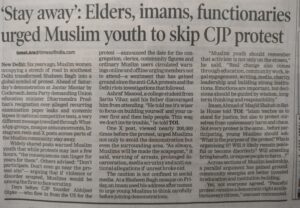
The recent report by journalist Ismat Ara in The Times of India titled “Stay Away: Elders, Imams, Functionaries Urged Muslim Youth to Skip CJP Protest” raises a question that the leadership of the Cockroach Janta Party (CJP) can no longer avoid: Why did a movement that claimed to represent frustrated Indian youth fail to inspire confidence among large sections of Indian Muslims?
For me, this question is not theoretical. It is personal.
When the Cockroach Janta Party first emerged on social media, I viewed it as a potentially refreshing democratic intervention. At a time when millions of Indians were expressing dissatisfaction with established political parties, CJP appeared to offer a new platform that could transcend old political divisions.

I joined the movement on its very first day.
I was publicly appointed online as the party’s Chief Spiral Officer. In support of the initiative, I wrote an article welcoming the movement and circulated it widely. I tagged leading figures associated with CJP, including founder Abhijeet Dipke, hoping to contribute to a genuinely inclusive national conversation.
What happened next surprised me.
My tag was reportedly removed from the relevant social media page. No explanation was offered. No dialogue followed. No attempt was made to engage with the concerns I later raised.
The incident may appear small to some observers. But symbols matter in politics.
For many Indian Muslims who watched from a distance, the message appeared unmistakable: participation was welcome only on certain terms.
Soon afterward, I publicly distanced myself from the movement and expressed my reservations regarding its direction. The subsequent Times of India report suggests that similar concerns were emerging independently among sections of the Muslim community across Delhi.
The issue was never examination paper leaks.
The issue was trust.
No democratic movement can claim to represent the nation while simultaneously failing to reassure one of the nation’s largest religious minorities that their participation will be respected and protected.
The warnings circulated among Muslim families before the protest did not emerge in a vacuum. They reflected accumulated experiences, fears, and memories from previous political mobilisations where Muslims often felt they carried disproportionate risks while enjoying little influence over the movement’s direction.
The statements quoted by imams and community leaders were notable not because they rejected democratic participation, but because they questioned the political environment surrounding the protest.
Many asked simple questions:
Who controls the movement?
What are its ideological foundations?
Will minorities be equal participants or merely symbolic spectators?
These questions remain unanswered.
Particularly troubling was the prominence of slogans such as “Bharat Mata Ki Jai” and “Vande Mataram” during mobilisations associated with the protest.
Many Indians embrace these slogans as expressions of patriotism. That is their constitutional right.
However, it is equally true that many Muslims have historically expressed reservations regarding their political and ideological usage when such slogans become tests of loyalty rather than voluntary expressions of national affection.
The Constitution of India does not require any citizen to prove patriotism through specific slogans.
Patriotism is demonstrated through commitment to constitutional values, equal citizenship, democratic participation, and respect for the rights of fellow citizens.
When political movements create an atmosphere in which particular slogans dominate public identity, minorities may reasonably wonder whether constitutional nationalism is being replaced by cultural nationalism.
This distinction is crucial.
Constitutional nationalism derives its legitimacy from the Constitution.
Communal nationalism derives its legitimacy from cultural majoritarianism.
Indian Muslims have repeatedly affirmed their commitment to the Constitution. Many therefore reject any political framework that appears to define national belonging through religious, cultural, or ideological conformity.
The concern raised by the Times of India report is not whether Muslims support educational reform or oppose examination paper leaks.
Most certainly do.
The concern is whether emerging political movements genuinely seek pluralistic participation or merely seek minority endorsement without minority influence.
A movement that cannot comfortably accommodate disagreement cannot claim to represent democratic diversity.
A movement that cannot openly engage with Muslim concerns cannot claim national legitimacy.
And a movement that celebrates inclusion rhetorically while marginalising dissenting minority voices risks reproducing the very political culture it claims to oppose.
The future of Indian democracy depends not on louder slogans but on broader trust.
If CJP wishes to become a truly national movement, it must answer difficult questions.
Will Indian Muslims be accepted as equal partners?
Will constitutional nationalism take precedence over cultural majoritarianism?
Will dissenting voices be heard rather than excluded?
Until those questions receive convincing answers, the distance between CJP and large sections of India’s Muslim community is likely to remain.
The challenge before CJP is therefore not organisational.
It is moral.
It must decide whether it seeks followers or fellow citizens.
That decision will determine whether it becomes a democratic movement or merely another chapter in India’s long history of exclusionary politics.
( This version frames the piece as a political commentary and personal analysis based on my experiences. )
*****
सीजेपी का प्रश्न: समावेशन, प्रतीकवाद और भारतीय मुसलमानों के लिए मौन संदेश
अहमद सोहैल सिद्दीकी द्वारा
द टाइम्स ऑफ इंडिया में पत्रकार इस्मत आरा की हालिया रिपोर्ट, जिसका शीर्षक था “दूर रहो: बुज़ुर्गों, इमामों और समुदाय के जिम्मेदार लोगों ने मुस्लिम युवाओं से सीजेपी विरोध प्रदर्शन से दूर रहने की अपील की”, एक ऐसा प्रश्न उठाती है जिससे कॉकरोच जनता पार्टी (सीजेपी) का नेतृत्व अब और बच नहीं सकता: एक ऐसा आंदोलन, जिसने स्वयं को निराश भारतीय युवाओं का प्रतिनिधि बताया, भारतीय मुसलमानों के बड़े वर्गों में विश्वास पैदा करने में क्यों असफल रहा?
मेरे लिए यह प्रश्न केवल सैद्धांतिक नहीं है। यह व्यक्तिगत है।
जब कॉकरोच जनता पार्टी पहली बार सोशल मीडिया पर सामने आई, तो मैंने इसे एक संभावित रूप से ताज़गीभरा लोकतांत्रिक हस्तक्षेप माना। ऐसे समय में जब लाखों भारतीय स्थापित राजनीतिक दलों से असंतोष व्यक्त कर रहे थे, सीजेपी एक ऐसे नए मंच के रूप में दिखाई दी जो पुराने राजनीतिक विभाजनों से ऊपर उठ सकता था।
मैं इसके आंदोलन में पहले ही दिन शामिल हुआ।
मुझे सार्वजनिक रूप से ऑनलाइन पार्टी का “चीफ़ स्पाइरल ऑफिसर” नियुक्त किया गया। इस पहल के समर्थन में मैंने एक लेख लिखा, जिसमें इस आंदोलन का स्वागत किया गया था, और उसे व्यापक रूप से प्रसारित किया। मैंने सीजेपी से जुड़े प्रमुख व्यक्तियों, जिनमें इसके संस्थापक अभिजीत दिपके भी शामिल थे, को टैग किया, इस आशा के साथ कि मैं एक वास्तविक रूप से समावेशी राष्ट्रीय संवाद में योगदान दे सकूँ।
इसके बाद जो हुआ, उसने मुझे आश्चर्यचकित कर दिया।
बताया गया कि मेरा टैग संबंधित सोशल मीडिया पेज से हटा दिया गया। कोई स्पष्टीकरण नहीं दिया गया। कोई संवाद नहीं हुआ। बाद में जिन चिंताओं को मैंने उठाया, उन्हें समझने या उन पर चर्चा करने का कोई प्रयास नहीं किया गया।
कुछ पर्यवेक्षकों को यह घटना छोटी लग सकती है। लेकिन राजनीति में प्रतीकों का महत्व होता है।
कई भारतीय मुसलमानों के लिए, जो दूर से यह सब देख रहे थे, संदेश बिल्कुल स्पष्ट था: भागीदारी का स्वागत केवल कुछ शर्तों पर ही किया जाएगा।
इसके तुरंत बाद मैंने सार्वजनिक रूप से इस आंदोलन से दूरी बना ली और इसकी दिशा को लेकर अपनी आपत्तियाँ व्यक्त कीं। बाद में प्रकाशित टाइम्स ऑफ इंडिया की रिपोर्ट यह संकेत देती है कि इसी प्रकार की चिंताएँ दिल्ली के मुस्लिम समुदाय के विभिन्न वर्गों में स्वतंत्र रूप से उभर रही थीं।
मुद्दा कभी परीक्षा प्रश्नपत्रों के लीक होने का नहीं था।
मुद्दा विश्वास का था।
कोई भी लोकतांत्रिक आंदोलन राष्ट्र का प्रतिनिधित्व करने का दावा नहीं कर सकता, यदि वह साथ ही राष्ट्र के सबसे बड़े धार्मिक अल्पसंख्यकों में से एक को यह विश्वास दिलाने में असफल रहे कि उनकी भागीदारी का सम्मान और संरक्षण किया जाएगा।
*****
اردو ترجمہ
سی جے پی کا سوال: شمولیت، علامتیت اور ہندوستانی مسلمانوں کے لیے خاموش پیغام
از احمد سہیل صدیقی
صحافی عصمت آرا کی ٹائمز آف انڈیا میں شائع ہونے والی حالیہ رپورٹ، جس کا عنوان تھا “دور رہیں: بزرگوں، ائمہ اور سماجی ذمہ داران نے مسلم نوجوانوں کو سی جے پی احتجاج سے دور رہنے کا مشورہ دیا”، ایک ایسا سوال اٹھاتی ہے جس سے کاکروچ جنتا پارٹی (سی جے پی) کی قیادت اب مزید گریز نہیں کر سکتی: آخر وہ تحریک، جس نے خود کو مایوس ہندوستانی نوجوانوں کی نمائندہ قرار دیا، ہندوستانی مسلمانوں کے بڑے طبقوں کا اعتماد حاصل کرنے میں کیوں ناکام رہی؟
میرے لیے یہ سوال محض نظریاتی نہیں ہے۔ یہ ذاتی نوعیت کا ہے۔
جب کاکروچ جنتا پارٹی پہلی مرتبہ سوشل میڈیا پر سامنے آئی، تو میں نے اسے ایک ممکنہ طور پر تازگی بخش جمہوری مداخلت کے طور پر دیکھا۔ ایسے وقت میں جب لاکھوں ہندوستانی روایتی سیاسی جماعتوں سے اپنی ناراضگی کا اظہار کر رہے تھے، سی جے پی ایک ایسے نئے پلیٹ فارم کے طور پر دکھائی دی جو پرانی سیاسی تقسیموں سے بالاتر ہو سکتا تھا۔
میں تحریک کے پہلے ہی دن اس میں شامل ہو گیا۔
مجھے عوامی طور پر آن لائن پارٹی کا “چیف اسپائرل آفیسر” مقرر کیا گیا۔ اس اقدام کی حمایت میں، میں نے ایک مضمون تحریر کیا جس میں اس تحریک کا خیرمقدم کیا گیا تھا اور اسے وسیع پیمانے پر پھیلایا۔ میں نے سی جے پی سے وابستہ اہم شخصیات، جن میں اس کے بانی ابھیجیت دیپکے بھی شامل تھے، کو ٹیگ کیا، اس امید کے ساتھ کہ میں ایک حقیقی معنوں میں جامع قومی مکالمے میں اپنا کردار ادا کر سکوں۔
اس کے بعد جو کچھ ہوا، اس نے مجھے حیران کر دیا۔
اطلاع کے مطابق میرا ٹیگ متعلقہ سوشل میڈیا صفحے سے ہٹا دیا گیا۔ کوئی وضاحت پیش نہیں کی گئی۔ کوئی مکالمہ نہیں ہوا۔ بعد میں جن خدشات کا میں نے اظہار کیا، ان پر گفتگو یا ان کو سمجھنے کی کوئی کوشش نہیں کی گئی۔
کچھ مبصرین کے نزدیک یہ واقعہ معمولی معلوم ہو سکتا ہے۔ لیکن سیاست میں علامتوں کی اہمیت ہوتی ہے۔
بہت سے ہندوستانی مسلمانوں کے لیے، جو دور سے یہ سب دیکھ رہے تھے، پیغام بالکل واضح تھا: شرکت کا خیرمقدم صرف مخصوص شرائط پر کیا جائے گا۔
اس کے فوراً بعد میں نے عوامی طور پر اس تحریک سے خود کو الگ کر لیا اور اس کی سمت کے بارے میں اپنے تحفظات کا اظہار کیا۔ بعد میں شائع ہونے والی ٹائمز آف انڈیا کی رپورٹ سے یہ اشارہ ملتا ہے کہ اسی نوعیت کے خدشات دہلی کے مسلم معاشرے کے مختلف حلقوں میں آزادانہ طور پر جنم لے رہے تھے۔
مسئلہ کبھی امتحانی پرچوں کے لیک ہونے کا نہیں تھا۔
مسئلہ اعتماد کا تھا۔
کوئی بھی جمہوری تحریک قوم کی نمائندگی کا دعویٰ نہیں کر سکتی اگر وہ بیک وقت قوم کی سب سے بڑی مذہبی اقلیتوں میں سے ایک کو یہ یقین دلانے میں ناکام رہے کہ ان کی شرکت کا احترام اور تحفظ کیا جائے گا۔
*****