
 Title: When Recognition Feels Like Betrayal: Indian Elites Rage as Pakistan Chairs UN Counterterrorism Committees

By Ahmed Sohail Siddiqui
Senior Journalist & Chief Editor – www.HudaTaha.com
The appointment of Pakistan as Chair of the UNSC Sanctions Committee under Resolution 1988 (2011), Vice-Chair of the Counter-Terrorism Committee under Resolution 1373 (2001), and Co-Chair of the Informal Working Group on Documentation and Sanctions has sent shockwaves across a certain section of Indian media and political thought circles.
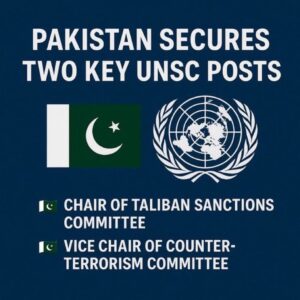
While the development has been hailed as a diplomatic milestone by Pakistan and seen by many international observers as recognition of Pakistan’s evolving and active role in the global counterterrorism architecture, reactions from India—particularly from its upper-caste dominated commentariat and political influencers—have been bitter, even venomous.

Among the most extreme responses came from self-styled “independent” journalist Swati Chaturvedi, who took to X (formerly Twitter) to fume:
> “Let this sink in, a world gone mad where terrorist state Pakistan chairs UN counter terror. Effectively like appointing Osama Bin Laden as a chair against terror.”
Such remarks not only reflect a deep-seated Islamophobia and Pakophobia but also reveal a consistent pattern in which any global recognition of Muslim nations, particularly Pakistan, is met with mockery, outrage, or outright hostility by India’s elite upper-caste circles, who seem to view global Muslim progress as a personal affront to their nationalist pride.
Is Pakistan’s Appointment Really So Absurd?
Let us set politics aside and consider facts.
Pakistan has:
- Lost over 90,000 lives to terrorism.
- Incurred $150+ billion in economic losses due to terror attacks.
- Led high-risk operations like Zarb-e-Azb, Radd-ul-Fasaad, and ongoing counter terror intelligence offensives across its tribal belt and urban centers.
Even Western analysts have conceded that, post-2009, Pakistan’s approach toward domestic terrorism shifted significantly, targeting not only anti-Pakistan elements but also foreign-backed actors threatening regional peace.
To deny Pakistan a seat at the table, especially in framing global counter terror narratives, is to deny the very real sacrifices it has made, and to ignore the geopolitical double standards that plague much of the West’s war on terror.
Why Does the Indian Establishment React So Harshly?
Because it is not about terrorism—it is about narrative control.
Since 2014, India under Narendra Modi has aggressively sought to project itself as the victim and vanquisher of terrorism while relentlessly pushing a Pakistan-as-rogue-state narrative. It has used this to:
- Cement its Hindutva vote bank domestically.
- Build international pressure on Pakistan.
- Justify clampdowns in Kashmir and surveillance on Indian Muslims.
- Fuel Islamophobic rhetoric under the guise of “national security.”
Hence, Pakistan’s rising credibility on a global counterterrorism platform threatens to unravel this carefully crafted narrative.
Who Are the Real Terror Enablers?
While India accuses Pakistan of harboring terrorists, it itself has:
- Produced mass killers of Muslims who walk free: from Pragya Thakur to Babu Bajrangi.
- Seen the rise of militant Hindutva outfits like Bajrang Dal, VHP, and RSS whose foot soldiers openly advocate ethnic cleansing.
- Allowed open hate rallies and pogroms like Delhi 2020 to happen with impunity.
- Declared anti-terror operations against farmers, students, journalists, and minorities.
Should such a country dictate who is fit to chair a global anti-terror body?
Islamophobia Masquerading as Patriotism
Swati Chaturvedi’s tweet is not an isolated outburst—it is part of a larger ecosystem of elite Indian Islamophobia, often cloaked in liberal credentials. Her analogies—equating Pakistan with Bin Laden—mirror the most crude and racist stereotypes of post-9/11 Western discourse.
Are all upper castes in India Islamophobic and Pakophobic? Of course not. But the dominant narrative emerging from their leadership, media, and academia is increasingly shaped by the RSS-Savarna worldview, where any acknowledgment of Muslim dignity or Muslim achievement—whether it’s in Pakistan, Palestine, or even among Indian Muslims—is met with fury and suspicion.
Conclusion: Let the World Decide, Not India’s Caste-Colonial Gaze
Pakistan’s appointment is not a reward—it is a recognition. A recognition that terrorism is a complex issue, and that those who have suffered most must have a voice in shaping the solutions. India’s outrage, especially from its elite caste-driven media, reveals more about its insecurities than about Pakistan’s record.
Instead of lamenting global sanity, India must look inward and ask:
Why is the world beginning to see through our double standards?
And more urgently:
Why are we so obsessed with hating our neighbor that we can’t even acknowledge their pain, their progress, or their place in the global community?
********
🇺🇳 اردو ترجمہ
 پاکستان کی عالمی پہچان پر بھارت کی اعلیٰ ذاتوں کا زہر کیوں؟
تحریر: احمد سہیل صدیقی
چیف ایڈیٹر – www.HudaTaha.com
اقوام متحدہ کی جانب سے پاکستان کو سلامتی کونسل کی پابندیوں سے متعلق کمیٹی (قرارداد 1988) کا چیئرمین، انسداد دہشت گردی کمیٹی (قرارداد 1373) کا نائب صدر، اور دستاویزات اور پابندیوں سے متعلق غیر رسمی ورکنگ گروپ کا شریک چیئرمین مقرر کیا گیا ہے۔
یہ پیش رفت جہاں پاکستان کے لیے ایک بڑی سفارتی کامیابی ہے، وہیں بھارت کے اشرافیہ طبقے اور اعلیٰ ذات ہندو ذرائع ابلاغ میں سخت پریشانی، غصہ اور نفرت انگیز ردعمل دیکھنے کو ملا۔
نام نہاد “آزاد صحافی” سواتی چترویدی نے سوشل میڈیا پلیٹ فارم X پر بھڑکتے ہوئے لکھا:
> “ذرا سوچئے، دنیا کس قدر پاگل ہو چکی ہے کہ دہشت گرد ریاست پاکستان کو انسداد دہشت گردی کا چیئرمین بنا دیا۔ یہ ایسا ہی ہے جیسے اسامہ بن لادن کو دہشت گردی کے خلاف کمیٹی کا سربراہ بنا دیا جائے۔”
یہ بیان صرف پاکستان دشمنی نہیں، بلکہ کھلی اسلام دشمنی اور نفسیاتی پاک فوبیا کی غمازی کرتا ہے جو آج کل بھارت کے ایلیٹ طبقے میں معمول بنتا جا رہا ہے۔
کیا پاکستان کی تقرری غیر مناسب ہے؟
جب ہم سیاسی تعصبات کو الگ رکھ کر حقائق دیکھیں، تو اندازہ ہوتا ہے کہ پاکستان:
- 90,000 سے زائد جانوں کا نذرانہ دے چکا ہے۔
- 150 ارب ڈالر سے زائد کا معاشی نقصان اٹھا چکا ہے۔
- ضربِ عضب، ردّالفساد اور دیگر کئی کامیاب فوجی آپریشنز کے ذریعے دہشت گرد گروہوں کو نشانہ بنایا ہے۔
تو پھر عالمی برادری کی جانب سے پاکستان کو کلیدی کردار دینے میں کیا قباحت ہے؟
بھارت کو تکلیف کیوں ہو رہی ہے؟
بھارت نے 2014 کے بعد سے دنیا کے سامنے ایک خود ساختہ بیانیہ بنایا ہے:
کہ وہ دہشت گردی کا شکار ہے؛
کہ پاکستان دہشت گردی کا مرکز ہے؛
اور یہی بیانیہ مودی حکومت نے کشمیر پر قبضے، بھارتی مسلمانوں کی نگرانی، اور فلسطین دشمن اتحاد کے لیے استعمال کیا
۔اب پاکستان کا عالمی سطح پر تسلیم کیا جانا اس بیانیے کو کمزور کرتا ہے۔ یہی اصل وجہ ہے بھارت کی چڑ اور بھارتی میڈیا کی چیخ و پکار کی۔
بھارت خود کتنی دہشت گردی میں ملوث ہے؟
گجرات کے قاتل آج پارلیمان میں بیٹھے ہیں۔
ہندوتوا تنظیمیں کھلے عام مسلمانوں کے خلاف ہتھیار اٹھانے کی بات کرتی ہیں۔
دہلی 2020 کے فسادات اور اترپردیش کے قتل عام میں حکومتی پشت پناہی رہی۔
پھر بھی بھارت اقوام عالم میں خود کو “امن کا علمبردار” کہلاتا ہے؟
—
نتیجہ: دنیا اب بھارتی منافقت کو پہچان رہی ہے
پاکستان کا تقرر عالمی برادری کا بھارت کو ایک خاموش پیغام ہے کہ:
> اسلام دشمنی کو “قومی سلامتی” کے لبادے میں نہیں بیچا جا سکتا۔
—
🇮🇳 हिंदी अनुवाद
 पाकिस्तान की यूएन में नियुक्ति से तिलमिलाया भारत: क्या ऊंची जातियों का हर मुस्लिम देश से नफरत करना ज़रूरी है ?
लेखक: अहमद सुहैल सिद्दीकी
वरिष्ठ पत्रकार, www.HudaTaha.com
संयुक्त राष्ट्र सुरक्षा परिषद (UNSC) ने पाकिस्तान को रेज़ोल्यूशन 1988 की सैंक्शन्स कमिटी का अध्यक्ष, 1373 काउंटर टेरर कमिटी का उपाध्यक्ष, और सैन्क्शन्स एंड डाक्यूमेंटेशन वर्किंग ग्रुप का सह-अध्यक्ष नियुक्त किया है।
जहाँ दुनिया भर में इसे पाकिस्तान की एक बड़ी कूटनीतिक जीत माना गया है, वहीं भारत के ऊंची जातियों के पत्रकार, हिंदुत्व समर्थक विश्लेषक, और मोदी समर्थक मीडिया इस खबर से आगबबूला हैं।
“स्वतंत्र पत्रकार” स्वाति चतुर्वेदी ने X (ट्विटर) पर ज़हर उगला:
> “सोचिए, दुनिया कितनी पागल हो गई है कि पाकिस्तान को आतंकवाद के खिलाफ कमिटी का चेयरमैन बना दिया। ये ऐसा है जैसे ओसामा बिन लादेन को आतंकवाद विरोधी कमिटी का अध्यक्ष बना दिया जाए।”
यह टिप्पणी पत्रकारिता नहीं, बल्कि इस्लामोफोबिया का नग्न प्रदर्शन है। भारत का एक बड़ा ब्राह्मणवादी तबका आज भी इस्लामिक राष्ट्रों की किसी भी वैश्विक मान्यता को अपना अपमान समझता है।
क्या पाकिस्तान की नियुक्ति अनुचित है ?
- तथ्य क्या कहते हैं?
- पाकिस्तान ने 90,000 से अधिक नागरिकों की जानें खोईं।
- 150 अरब डॉलर से अधिक का आर्थिक नुकसान झेला।
- जर्ब-ए-अज़्ब, रद्दुल-फसाद जैसे ऑपरेशनों से आतंक को कुचला।
इसलिए पाकिस्तान को वैश्विक आतंकवाद नीति-निर्माण में जगह मिलना न केवल तर्कसंगत है, बल्कि आवश्यक भी।
भारत इतना बेचैन क्यों ?
क्योंकि यह भारत की 2014 से बनी “हम पीड़ित हैं, पाकिस्तान अपराधी है” वाली छवि को तोड़ता है।
यह नियुक्ति अंतरराष्ट्रीय स्तर पर यह मान्यता देती है कि:
पाकिस्तान आतंक का शिकार रहा है, और अब वह नीतिगत हिस्सेदार भी है।
असली दोहरापन कहाँ है ?भारत में:
प्रज्ञा ठाकुर जैसे आतंकी आरोपी सांसद हैं। बजरंग दल, वीएचपी, आरएसएस जैसे संगठनों को खुली छूट है।
मुसलमानों के खिलाफ नफ़रत रैलियाँ और दंगे सरकारी संरक्षण में होते हैं।फिर भी भारत खुद को “विक्टिम” और पाकिस्तान को “आतंकी” बताता है।
निष्कर्ष:भारत को आत्ममंथन करना होगा
पाकिस्तान की नियुक्ति वैश्विक राजनीति का संकेत है कि मुसलमानों को वैश्विक आतंकवाद के विमर्श से बाहर नहीं रखा जा सकता। भारत को चाहिए कि:
वह अपनी इस हिंदुत्व-आधारित वैचारिक श्रेष्ठता को छोड़े,
और मान्यता दे कि अब मुस्लिम आवाज़ें भी वैश्विक मंचों पर स्वीकार की जा रही हैं।
********