
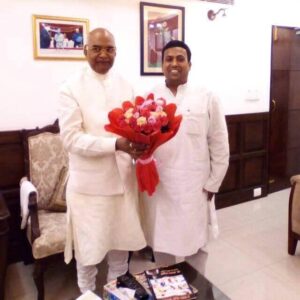
 **Suhail Hindustani’s Insight: BJP, Muslim Outreach, and the Trillion-Dollar Islamic Banking Opportunity**
By **Ahmed Sohail Siddiqui**
Suhail Hindustani, the whistleblower in India’s infamous *Cash for Vote* scandal, remains a significant yet enigmatic figure in the country’s political landscape. Known for his proximity to the BJP and RSS, he has often acted as a bridge between the ruling party and broader ideological debates. At a recent Iftar gathering at my residence, Hindustani was visibly upset—not just about the internal state of the BJP but also about the decay of key Muslim institutions under Congress-linked figures.
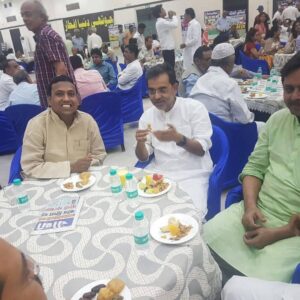
However, despite his concerns, Hindustani’s analysis of the **Hindu-Muslim discourse in India** was strikingly optimistic and unconventional. He offered insights into **BJP’s misunderstood engagement with Muslims, a potential political shift in Bihar, and the $4 trillion economic opportunity India is ignoring through its reluctance to allow Islamic banking.**
**BJP’s Image Among Muslims: A Misplaced Narrative?**
One of Hindustani’s most thought-provoking arguments revolved around the paradox of BJP’s image in the Muslim community. He questioned why the party continues to be labeled as anti-Muslim when, under its rule, **the Parliament of India has physically moved closer to the Parliament Mosque**, blocking five key ministry pathways in the process. This, he argued, is no less than a symbolic miracle—one that contradicts the notion that BJP is against Islamic institutions.
Adding to this, he pointed out that **the Parliament Mosque’s Imam has found a place in the Lok Sabha**, a recognition that no previous regime had offered. Furthermore, **two of the most powerful figures in the Modi government proudly wear beards**, a visual marker of Islamic identity.
According to Hindustani, these developments challenge the entrenched narrative of BJP’s supposed hostility toward Muslims. Instead, they indicate **a complex, evolving relationship between the ruling party and India’s Muslim community**—one that is yet to be fully acknowledged by either side.
**Bihar’s Political Shift: The Backlash Against the Muslim Mayor’s Statement**
Hindustani also made a bold political prediction: **a BJP sweep in Bihar’s upcoming elections**. The reason? The recent controversial statement by a Muslim woman mayor who defended *Juma Namaaz* over Holi celebrations.
In his analysis, such remarks **alienate the Hindu electorate and reinforce BJP’s position as the guardian of Hindu cultural interests**. He believes that this will trigger a significant shift in Bihar’s political landscape, further solidifying BJP’s dominance in the state.
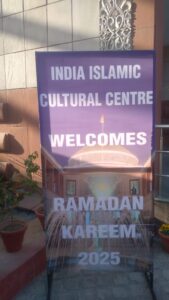
**The Decline of the India Islamic Cultural Centre (IICC): A Congress Family Affair?**
Beyond BJP’s political fortunes, Hindustani expressed **deep frustration over the state of the India Islamic Cultural Centre (IICC)**, an institution that once played a pivotal role in Delhi’s intellectual and diplomatic circles. He alleged that **Congress leader Salman Khurshid and his sons have effectively captured the IICC, treating it as a family property and controlling its vast resources for personal gain.**
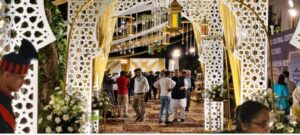
The **Iftar party decoration at the India Islamic Cultural Centre (IICC)** reflecting more of a **Christian celebration style rather than Islamic aesthetics** raises several critical questions about the cultural and ideological direction of the institution.
**Why Does the IICC’s Iftar Look More Christian than Islamic?**
1. **Western Influence in Elite Circles**
The **Congress-aligned leadership at IICC**, particularly under Salman Khurshid and his family, has long been accused of being **closer to Westernized elite circles** rather than rooted in traditional Islamic ethos. This reflects in the **event aesthetics**, where the decorations align more with Western banquet styles, resembling **Christmas or corporate gala dinners** rather than the serene and spiritual ambiance associated with Ramadan.
2. **Disconnect from Islamic Art and Symbolism**
Islamic celebrations traditionally draw from **Islamic geometric patterns, Arabic calligraphy, and a subdued yet elegant aesthetic** that emphasizes spirituality over grandeur. In contrast, **Christian-style decorations** often feature elements such as **glittering lights, floral centerpieces, banquet-style seating, and pastel color themes**, which seem out of place in an Iftar setting.
3. **Deliberate Erasure of Islamic Identity?**
Given that IICC is allegedly being **run like a personal fiefdom by Salman Khurshid’s family**, one might argue that the shift in decor and event management is a **deliberate move to distance the institution from its Islamic heritage**. This aligns with broader concerns that **Muslim institutions under Congress-affiliated figures have been diluted, focusing more on elite social gatherings rather than genuine community representation**.
4.Political Messaging and Appeasement**
The styling of the Iftar could also be a **symbolic gesture aimed at appealing to a non-Muslim audience**, especially those within the Congress ecosystem who are more comfortable with **secularized, Westernized aesthetics** rather than overtly Islamic symbols. This might explain why the **guest list was largely restricted to Salman Khurshid’s friends and family**, with no major figures from the Muslim intellectual, religious, or political circles present.
**Is the IICC Losing Its Relevance?**
Hindustani’s frustration over the **hollowing out of the IICC** reflects a broader issue—the **decline of genuine Muslim representation in elite institutions**. What was once a hub for **diplomatic, political, and intellectual engagement** has now been reduced to an **exclusive social club** where even the **decorations fail to reflect Islamic identity**.
This raises a critical question: **Should the IICC remain under the control of a political dynasty, or should it be reclaimed as a true representative institution for Indian Muslims?**
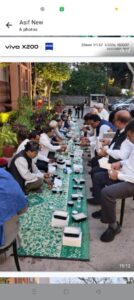
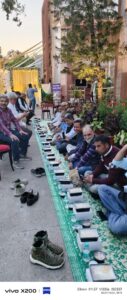
As a stark example of this decline, Hindustani pointed to a **poorly attended Iftar gathering at the IICC**, which hosted fewer than **100 people—most of whom were from Salman Khurshid’s family and close circle**. What was even more shocking was the **cost: ₹6,000 per plate**, despite there being **no notable guests—no diplomats, no key politicians, no intellectuals**.
This stands in stark contrast to the IICC’s past reputation. For two decades, it has been **the go-to venue for Iftar gatherings attended by top diplomats, politicians, and thinkers in Delhi**. Hindustani sees this as a sign of **how entrenched Congress elites have hollowed out key Muslim institutions, reducing them to personal fiefdoms rather than platforms for genuine community engagement.**
**A $4 Trillion Opportunity: Will Modi Allow Islamic Banking?**
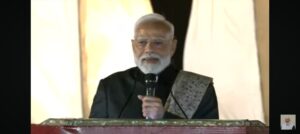
While Hindustani critiqued Congress’s mismanagement of Muslim institutions, he also **urged the Modi government to take a bold economic step that could redefine its legacy: allowing Islamic banking in India**.
He argued that opening up the financial system to **Shariah-compliant banking could unlock a staggering $4 trillion in global investments**, positioning India as a key player in the Islamic finance sector. Countries like **Malaysia, the UAE, and even the UK have successfully integrated Islamic finance**, yet India—home to over **200 million Muslims—remains outside this financial revolution**.
Hindustani sees this as **a golden opportunity for Modi to turn the clock in his favor**. At a time when the government is searching for new economic engines, embracing Islamic finance could **boost investment, strengthen BJP’s engagement with Indian Muslims, and reshape India’s global economic standing.**
**Will Modi Take the Leap?**
Suhail Hindustani’s insights reveal **an undercurrent of change within India’s political and economic landscape**. While he remains a critic of entrenched Congress elites controlling Muslim institutions, he also sees **potential in BJP’s evolving engagement with the community—if it is willing to act boldly.**
If the Modi government heeds his call for **Islamic banking, it could redefine its relationship with Indian Muslims, attract massive foreign investments, and cement Modi’s economic legacy.**
The question is: **Will Modi recognize this trillion-dollar opportunity before it’s too late?**
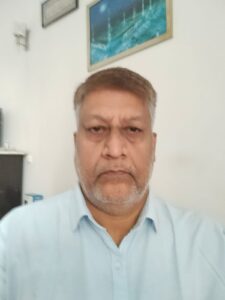
( Ahmed Sohail Siddiqui is a Senior Journalist & Chief Editor & former Chief Founder of BJP Urdu Media Cell 1999 National BJP. He was closely associated as a think tank with late Shri K.R.Malkani & BJP )
********
 **सुहैल हिंदुस्तानी की अंतर्दृष्टि: भाजपा, मुस्लिम आउटरीच, और खरबों डॉलर का इस्लामिक बैंकिंग अवसर**
**अहमद सोहैल सिद्दीकी** द्वारा
भारत के कुख्यात *कैश फॉर वोट* घोटाले में मुखबिर रहे सुहैल हिंदुस्तानी देश के राजनीतिक परिदृश्य में एक महत्वपूर्ण लेकिन रहस्यमय व्यक्ति बने हुए हैं। भाजपा और आरएसएस से अपनी निकटता के लिए जाने जाने वाले, उन्होंने अक्सर सत्तारूढ़ पार्टी और व्यापक वैचारिक बहस के बीच एक पुल का काम किया है। हाल ही में मेरे निवास पर आयोजित इफ्तार पार्टी में, हिंदुस्तानी स्पष्ट रूप से परेशान थे – न केवल भाजपा की आंतरिक स्थिति के बारे में, बल्कि कांग्रेस से जुड़े लोगों के अधीन प्रमुख मुस्लिम संस्थानों के पतन के बारे में भी।
हालांकि, उनकी चिंताओं के बावजूद, हिंदुस्तानी का **भारत में हिंदू-मुस्लिम विमर्श** का विश्लेषण आश्चर्यजनक रूप से आशावादी और अपरंपरागत था। उन्होंने **मुसलमानों के साथ भाजपा के गलत जुड़ाव, बिहार में संभावित राजनीतिक बदलाव और इस्लामिक बैंकिंग की अनुमति देने की अनिच्छा के कारण भारत द्वारा नजरअंदाज किए जा रहे 4 ट्रिलियन डॉलर के आर्थिक अवसर** के बारे में जानकारी दी।
**मुसलमानों के बीच भाजपा की छवि: एक गलत कहानी?**
हिंदुस्तानी के सबसे विचारोत्तेजक तर्कों में से एक मुस्लिम समुदाय में भाजपा की छवि के विरोधाभास के इर्द-गिर्द घूमता है। उन्होंने सवाल किया कि पार्टी को मुस्लिम विरोधी क्यों कहा जाता है, जबकि इसके शासन में, **भारत की संसद शारीरिक रूप से संसद मस्जिद के करीब चली गई है**, जिससे इस प्रक्रिया में पाँच प्रमुख मंत्रालयों के रास्ते बंद हो गए हैं। उन्होंने तर्क दिया कि यह किसी प्रतीकात्मक चमत्कार से कम नहीं है – जो इस धारणा का खंडन करता है कि भाजपा इस्लामी संस्थाओं के खिलाफ है।
इसके अलावा, उन्होंने बताया कि **संसद मस्जिद के इमाम को लोकसभा में जगह मिली है**, एक ऐसी मान्यता जो किसी भी पिछली सरकार ने नहीं दी थी। इसके अलावा, **मोदी सरकार में दो सबसे शक्तिशाली व्यक्ति गर्व से दाढ़ी रखते हैं**, जो इस्लामी पहचान का एक दृश्य चिह्न है।
हिंदुस्तानी के अनुसार, ये घटनाक्रम मुसलमानों के प्रति भाजपा की कथित शत्रुता की जड़ जमाए हुए कथानक को चुनौती देते हैं। इसके बजाय, वे **सत्तारूढ़ पार्टी और भारत के मुस्लिम समुदाय के बीच एक जटिल, विकसित होते रिश्ते** की ओर संकेत करते हैं – जिसे अभी तक दोनों पक्षों द्वारा पूरी तरह से स्वीकार नहीं किया गया है।
**बिहार का राजनीतिक बदलाव: मुस्लिम मेयर के बयान के खिलाफ़ प्रतिक्रिया**
हिंदुस्तानी ने एक साहसिक राजनीतिक भविष्यवाणी भी की: **बिहार के आगामी चुनावों में भाजपा की जीत**। कारण? हाल ही में एक मुस्लिम महिला मेयर द्वारा होली के उत्सव पर *जुमा की नमाज** का बचाव करने वाला विवादास्पद बयान।
उनके विश्लेषण में, ऐसी टिप्पणियाँ **हिंदू मतदाताओं को अलग-थलग करती हैं और हिंदू सांस्कृतिक हितों के संरक्षक के रूप में भाजपा की स्थिति को मजबूत करती हैं**। उनका मानना है कि इससे बिहार के राजनीतिक परिदृश्य में एक महत्वपूर्ण बदलाव आएगा, जिससे राज्य में भाजपा का प्रभुत्व और मजबूत होगा।
**इंडिया इस्लामिक कल्चरल सेंटर (IICC) का पतन: एक कांग्रेस परिवार का मामला?**
बीजेपी के राजनीतिक भाग्य से परे, हिंदुस्तानी ने **इंडिया इस्लामिक कल्चरल सेंटर (IICC)** की स्थिति पर गहरी निराशा व्यक्त की, एक संस्था जिसने कभी दिल्ली के बौद्धिक और कूटनीतिक हलकों में महत्वपूर्ण भूमिका निभाई थी। उन्होंने आरोप लगाया कि **कांग्रेस नेता सलमान खुर्शीद और उनके बेटों ने IICC पर प्रभावी रूप से कब्ज़ा कर लिया है, इसे एक पारिवारिक संपत्ति के रूप में मानते हुए और व्यक्तिगत लाभ के लिए इसके विशाल संसाधनों को नियंत्रित करते हुए।**
*इंडिया इस्लामिक कल्चरल सेंटर (IICC)** में **इफ्तार पार्टी की सजावट** इस्लामी सौंदर्यशास्त्र के बजाय **ईसाई उत्सव शैली** को अधिक दर्शाती है, जो संस्था की सांस्कृतिक और वैचारिक दिशा के बारे में कई महत्वपूर्ण सवाल उठाती है।
**IICC का इफ़्तार इस्लामी से ज़्यादा ईसाई क्यों लगता है?**
1. **अभिजात्य वर्ग में पश्चिमी प्रभाव**
*IICC में कांग्रेस से जुड़े नेतृत्व**, खास तौर पर सलमान खुर्शीद और उनके परिवार पर लंबे समय से आरोप लगाया जाता रहा है कि वे पारंपरिक इस्लामी मूल्यों में निहित होने के बजाय पश्चिमी अभिजात वर्ग के ज़्यादा करीब हैं। यह **कार्यक्रम के सौंदर्यशास्त्र** में झलकता है, जहाँ सजावट पश्चिमी भोज शैलियों से ज़्यादा मेल खाती है, जो रमज़ान से जुड़े शांत और आध्यात्मिक माहौल के बजाय **क्रिसमस या कॉर्पोरेट गाला डिनर** जैसी लगती है।
2. **इस्लामिक कला और प्रतीकवाद से अलगाव**
इस्लामिक समारोह पारंपरिक रूप से **इस्लामिक ज्यामितीय पैटर्न, अरबी सुलेख और एक शांत लेकिन सुरुचिपूर्ण सौंदर्यशास्त्र** से प्रेरित होते हैं जो भव्यता से ज़्यादा आध्यात्मिकता पर ज़ोर देते हैं। इसके विपरीत, **ईसाई शैली की सजावट** में अक्सर **चमकदार रोशनी, फूलों के बीच में जगह, भोज-शैली की बैठने की व्यवस्था और हल्के रंग की थीम** जैसे तत्व शामिल होते हैं, जो इफ्तार के माहौल में बेमेल लगते हैं।
3. **जानबूझकर इस्लामी पहचान को मिटाना?**
यह देखते हुए कि IICC को कथित तौर पर **सलमान खुर्शीद के परिवार द्वारा एक निजी जागीर की तरह चलाया जा रहा है**, कोई यह तर्क दे सकता है कि सजावट और इवेंट मैनेजमेंट में बदलाव **संस्था को उसकी इस्लामी विरासत से दूर करने का एक जानबूझकर किया गया कदम है**। यह व्यापक चिंताओं के साथ संरेखित है कि **कांग्रेस से जुड़े लोगों के तहत मुस्लिम संस्थानों को कमजोर किया गया है, वास्तविक सामुदायिक प्रतिनिधित्व के बजाय अभिजात वर्ग के सामाजिक समारोहों पर अधिक ध्यान केंद्रित किया गया है**।
4. **राजनीतिक संदेश और तुष्टिकरण**
इफ़्तार की शैली भी एक **प्रतीकात्मक इशारा हो सकती है जिसका उद्देश्य गैर-मुस्लिम दर्शकों** को आकर्षित करना है, खासकर कांग्रेस के पारिस्थितिकी तंत्र के भीतर के लोग जो **धर्मनिरपेक्ष, पश्चिमी सौंदर्यशास्त्र** के साथ अधिक सहज हैं बजाय खुले तौर पर इस्लामी प्रतीकों के। यह समझा सकता है कि क्यों **अतिथि सूची मुख्य रूप से सलमान खुर्शीद के दोस्तों और परिवार** तक सीमित थी, जिसमें मुस्लिम बौद्धिक, धार्मिक या राजनीतिक हलकों से कोई प्रमुख व्यक्ति मौजूद नहीं था।
**क्या IICC अपनी प्रासंगिकता खो रहा है?**
IICC के **खोखलेपन** पर हिंदुस्तानियों की हताशा एक व्यापक मुद्दे को दर्शाती है – **कुलीन संस्थानों में वास्तविक मुस्लिम प्रतिनिधित्व की गिरावट**। जो कभी **राजनयिक, राजनीतिक और बौद्धिक जुड़ाव** का केंद्र था, वह अब एक **विशेष सामाजिक क्लब** में सिमट गया है, जहाँ **सजावट भी इस्लामी पहचान को प्रतिबिंबित करने में विफल रहती है**।
इससे एक महत्वपूर्ण सवाल उठता है: **क्या IICC को एक राजनीतिक वंश के नियंत्रण में रहना चाहिए, या इसे भारतीय मुसलमानों के लिए एक सच्चे प्रतिनिधि संस्थान के रूप में पुनः प्राप्त किया जाना चाहिए?**
इस गिरावट के एक स्पष्ट उदाहरण के रूप में, हिंदुस्तानी ने IICC में **बहुत कम लोगों की उपस्थिति** का उल्लेख किया, जिसमें **100 से भी कम लोग शामिल हुए थे – जिनमें से अधिकांश सलमान खुर्शीद के परिवार और करीबी लोगों** से थे। इससे भी अधिक चौंकाने वाली बात यह थी कि **इसकी लागत: ₹6,000 प्रति प्लेट** थी, जबकि **इसमें कोई उल्लेखनीय अतिथि नहीं था – कोई राजनयिक नहीं, कोई प्रमुख राजनेता नहीं, कोई बुद्धिजीवी नहीं**।
यह IICC की पिछली प्रतिष्ठा के बिल्कुल विपरीत है। दो दशकों से, यह **दिल्ली में शीर्ष राजनयिकों, राजनेताओं और विचारकों द्वारा भाग लेने वाले इफ्तार समारोहों के लिए जाने-माने स्थान** रहा है। हिंदुस्तानी इसे इस बात का संकेत मानते हैं कि **कांग्रेस के कुलीन वर्ग ने किस तरह से प्रमुख मुस्लिम संस्थाओं को खोखला कर दिया है, उन्हें वास्तविक सामुदायिक जुड़ाव के मंच के बजाय व्यक्तिगत जागीर बना दिया है।**
**4 ट्रिलियन डॉलर का अवसर: क्या मोदी इस्लामिक बैंकिंग की अनुमति देंगे?**
जबकि हिंदुस्तानी ने मुस्लिम संस्थाओं के कांग्रेस के कुप्रबंधन की आलोचना की, उन्होंने **मोदी सरकार से एक साहसिक आर्थिक कदम उठाने का आग्रह किया जो उसकी विरासत को फिर से परिभाषित कर सकता है: भारत में इस्लामिक बैंकिंग की अनुमति देना**।
उन्होंने तर्क दिया कि वित्तीय प्रणाली को **शरिया-अनुपालन बैंकिंग के लिए खोलने से वैश्विक निवेश में 4 ट्रिलियन डॉलर का चौंका देने वाला निवेश हो सकता है**, जिससे भारत इस्लामिक वित्त क्षेत्र में एक प्रमुख खिलाड़ी के रूप में स्थापित हो सकता है। **मलेशिया, यूएई और यहां तक कि यूके जैसे देशों ने सफलतापूर्वक इस्लामिक वित्त को एकीकृत किया है**, फिर भी भारत – जहां **200 मिलियन से अधिक मुस्लिम रहते हैं – इस वित्तीय क्रांति से बाहर है**।
हिंदुस्तानी इसे **मोदी के लिए समय को अपने पक्ष में मोड़ने का एक सुनहरा अवसर** मानते हैं। ऐसे समय में जब सरकार नए आर्थिक इंजन की तलाश कर रही है, इस्लामिक वित्त को अपनाने से **निवेश को बढ़ावा मिल सकता है, भारतीय मुसलमानों के साथ भाजपा की भागीदारी मजबूत हो सकती है और भारत की वैश्विक आर्थिक स्थिति को नया आकार मिल सकता है।**
**क्या मोदी छलांग लगाएंगे?**
सुहैल हिंदुस्तानी की अंतर्दृष्टि **भारत के राजनीतिक और आर्थिक परिदृश्य में बदलाव की एक अंतर्निहित धारा** को उजागर करती है। जबकि वे मुस्लिम संस्थानों को नियंत्रित करने वाले कांग्रेस के कुलीन वर्ग के आलोचक बने हुए हैं, वे **समुदाय के साथ भाजपा के विकसित होते जुड़ाव में संभावना भी देखते हैं – अगर वह साहसपूर्वक कार्य करने के लिए तैयार है।**
अगर मोदी सरकार **इस्लामिक बैंकिंग के लिए उनके आह्वान पर ध्यान देती है, तो यह भारतीय मुसलमानों के साथ अपने संबंधों को फिर से परिभाषित कर सकती है, बड़े पैमाने पर विदेशी निवेश आकर्षित कर सकती है और मोदी की आर्थिक विरासत को मजबूत कर सकती है।**
सवाल यह है: **क्या मोदी बहुत देर होने से पहले इस खरबों डॉलर के अवसर को पहचानेंगे?**
********