
 **India a Failed State While Pakistan Has Survived – Is the Clock Turning Back?**
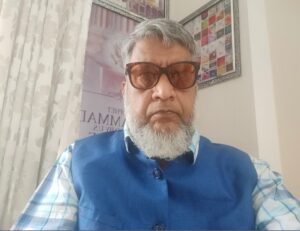
**– By Ahmed Sohail Siddiqui**
Seventy-five years after independence, the Indian subcontinent stands at a crossroads eerily reminiscent of the 17th century. In that turbulent era, the combined hatred of Muslim rule by Crusader powers and Brahmin elites paved the way for colonial dominance over a fragmented and weakened India. Today, history’s echo is deafening: the same alliance—this time dressed in the garb of “nationalism” and “civilization”—has reduced India to a failing state, while Pakistan, against all odds, has survived and steadied itself.
**The Brahmin–Crusader Alliance and the Abuse of Islam**
The root of India’s decline lies in the unholy alliance between Brahmins and Crusaders—an elite coalition united not by vision for progress, but by a shared contempt for Islam and Muslims. At the dawn of independence in 1947, Hindus basked in the glow of self-rule, yet the Muslims of the subcontinent—whether in India, Pakistan, Bangladesh, Kashmir, or Afghanistan—were forced into the shadows, burdened by systemic hate and Islamophobia.
This hatred was not organic; it was cultivated. It was the British colonial policy of divide and rule, later adopted and enhanced by Zionist corporate interests, that nurtured and financed Islamophobia across the region. Indian elites gladly accepted the role of carrying this poison forward, seeing in it a path to consolidate their own unchecked power.
**The British-Zionist Corporate Sponsorship**
From the post-Partition years onward, India’s ruling establishment enjoyed the tacit support of Western powers and their corporate arms, who saw New Delhi as a useful counterbalance to Muslim nations. This support allowed the Indian state to escape accountability for atrocities against its Muslim population, while Pakistan and other Muslim-majority neighbors were destabilized through wars, sanctions, and propaganda.
For decades, this global patronage emboldened Indian rulers to treat Muslims as expendable, perpetuating cycles of pogroms, economic exclusion, and political marginalization.
**The Sudden Withdrawal of Support**
What went wrong for New Delhi? Why have these same promoters of Islamophobia—especially in Washington and European capitals—suddenly withdrawn their hand?
The turning point came with the Trump administration’s U-turn on India. The imposition of a **50% tariff** on Indian goods was not just an economic strike; it was a political signal. For the first time in decades, Western powers publicly penalized India, exposing the fragility of its so-called “unstoppable rise.” Behind closed doors, policymakers in the West have grown wary of Modi’s authoritarianism, the economic instability it breeds, and its potential to push India closer to rivals like Russia and China.
At the same time, the global perception of Islam is shifting. Muslims of the subcontinent, long vilified, are now increasingly seen as victims of state-led persecution—an image that resonates in a post–George Floyd, post–Gaza genocide world. The global South is recalibrating its alliances, and Muslim voices are finding new platforms.
**The Muslim Resurgence on the Horizon**
For the first time since 1947, the Muslims of the subcontinent stand on the threshold of reclaiming their self-respect and their rightful economic place. The political exclusion and economic deprivation that were systematically enforced upon them may not hold much longer. If Muslims unite with other historically oppressed communities—Dalits, Adivasi , and backward castes—a new coalition could emerge, one that redefines India’s political and economic order.
The irony is sharp: India’s elite rulers, who once thrived under Western backing for their anti-Muslim agenda, now find themselves abandoned by those very patrons. Meanwhile, the marginalized—those written off as powerless—may be on the verge of shaping a **new India** that stands for equity, dignity, and justice.
**Is the Subcontinent Returning to the 17th Century—or Breaking Free?**
The parallels to pre-colonial India are undeniable: entrenched elites divided by religion, an external power ready to exploit the cracks, and a growing underclass yearning for change. But unlike the 17th century, the oppressed today are armed with a century’s worth of political experience, global connectivity, and a shared memory of what was taken from them.
Whether this moment becomes another chapter of subjugation—or the beginning of a new era—depends on whether the oppressed can unite before history repeats itself.
—
**भारत एक असफल राज्य, पाकिस्तान बच गया – क्या घड़ी पीछे घूम रही है?**
**– अहमद सोहैल सिद्दीकी**
आज़ादी के पचहत्तर साल बाद भारतीय उपमहाद्वीप फिर से उस मोड़ पर खड़ा है, जो 17वीं सदी की याद दिलाता है। उस समय क्रूसेडर ताक़तों और ब्राह्मण अभिजात वर्ग की मुस्लिम शासन से नफ़रत ने बंटे हुए और कमज़ोर भारत पर औपनिवेशिक राज का रास्ता खोल दिया था। आज हालात लगभग वही हैं—बस चेहरों और नारों का लिबास बदल गया है।
**ब्राह्मण–क्रूसेडर गठजोड़ और इस्लाम का अपमान**
भारत के पतन की जड़ें उस अपवित्र गठजोड़ में हैं जिसमें ब्राह्मण और क्रूसेडर ताक़तें शामिल हैं—ऐसा गठजोड़ जिसे प्रगति के सपने ने नहीं, बल्कि इस्लाम और मुसलमानों के प्रति साझा घृणा ने जोड़ा। 1947 में स्वतंत्रता के समय हिंदू समाज ने आत्म-शासन का सूर्योदय देखा, लेकिन उपमहाद्वीप के मुसलमान—चाहे भारत में हों, पाकिस्तान, बांग्लादेश, कश्मीर या अफगानिस्तान में—घृणा और इस्लामोफ़ोबिया के बोझ तले दबा दिए गए।
यह नफ़रत स्वतःस्फूर्त नहीं थी; इसे ब्रिटिश उपनिवेशी नीति और बाद में ज़ायोनी कॉर्पोरेट ताक़तों ने तैयार किया और पोषित किया।
**ब्रिटिश-ज़ायोनी कॉर्पोरेट समर्थन**
विभाजन के बाद से भारतीय सत्ता-तंत्र को पश्चिमी शक्तियों और उनकी कॉर्पोरेट शाखाओं का समर्थन मिला, जिन्होंने नई दिल्ली को मुस्लिम देशों के विरुद्ध एक संतुलन साधने वाले मोहरे के रूप में देखा। इस समर्थन ने भारत को अपने मुस्लिम नागरिकों के ख़िलाफ़ किए गए अत्याचारों पर जवाबदेही से बचाए रखा।
**समर्थन का अचानक समाप्त होना**
पर हालात बदल गए। ट्रंप प्रशासन के भारत के प्रति यू-टर्न ने 50% टैरिफ़ के रूप में न केवल आर्थिक चोट दी बल्कि यह एक राजनीतिक संदेश भी था। दशकों बाद पहली बार पश्चिमी शक्तियों ने भारत को दंडित किया। अब पश्चिमी नीति निर्माता मोदी के निरंकुश रवैये और उससे पैदा होने वाली अस्थिरता से चिंतित हैं।
साथ ही, इस्लाम के प्रति वैश्विक धारणा भी बदल रही है। उपमहाद्वीप के मुसलमान, जिन्हें लंबे समय तक अपराधी और पिछड़ा दिखाया गया, अब पीड़ित के रूप में देखे जा रहे हैं।
**मुस्लिम पुनर्जागरण की आहट**
1947 के बाद पहली बार उपमहाद्वीप के मुसलमान अपनी इज़्ज़त और आर्थिक हक़ की बहाली के मुहाने पर हैं। अगर वे दलित, आदिवासी और पिछड़े वर्गों के साथ एकजुट हो जाएं, तो भारत में एक नया राजनीतिक और आर्थिक समीकरण जन्म ले सकता है।
**क्या उपमहाद्वीप 17वीं सदी में लौटेगा या आज़ाद होगा?**
हालात 17वीं सदी जैसे हैं—धार्मिक विभाजन, बाहरी ताक़तें, और बदलाव की चाह रखने वाला शोषित तबका। मगर इस बार पीड़ित वर्ग के पास एक सदी का राजनीतिक अनुभव, वैश्विक जुड़ाव और छिनी हुई विरासत की सामूहिक स्मृति है।
—
**بھارت ایک ناکام ریاست، پاکستان بچ گیا – کیا گھڑی پیچھے لوٹ رہی ہے؟**
** احمد سہیل صدیقی**
آزادی کے پچھتر سال بعد برصغیر ایک ایسے موڑ پر کھڑا ہے جو سترہویں صدی کی یاد دلاتا ہے۔ اس دور میں صلیبی طاقتوں اور برہمن اشرافیہ کی مسلم حکمرانی سے نفرت نے ٹکڑوں میں بٹے اور کمزور ہندوستان پر نوآبادیاتی قبضے کی راہ ہموار کی تھی۔ آج حالات حیران کن طور پر ویسے ہی ہیں—بس چہرے اور نعرے بدل گئے ہیں۔
**برہمن–صلیبی اتحاد اور اسلام کی توہین**
بھارت کے زوال کی جڑ اس ناپاک اتحاد میں ہے جس نے ترقی کا نہیں بلکہ اسلام اور مسلمانوں کے خلاف مشترکہ بغض کا ایجنڈا اپنایا۔ 1947 میں آزادی کے وقت ہندو عوام نے خودمختاری کی روشنی دیکھی، لیکن برصغیر کے مسلمان—چاہے بھارت میں ہوں، پاکستان، بنگلہ دیش، کشمیر یا افغانستان میں—نفرت اور اسلاموفوبیا کے بوجھ تلے دبائے گئے۔
یہ نفرت فطری نہیں تھی بلکہ برطانوی نوآبادیاتی پالیسی اور بعد میں صیہونی کارپوریٹ طاقتوں نے اسے پروان چڑھایا۔
**برطانوی-صیہونی کارپوریٹ سرپرستی**
تقسیم کے بعد سے بھارتی حکمران طبقے کو مغربی طاقتوں اور ان کی کارپوریٹ بازو کا ساتھ ملا، جنہوں نے نئی دہلی کو مسلم ممالک کے خلاف توازن قائم رکھنے کا آلہ سمجھا۔ اس سرپرستی نے بھارت کو مسلمانوں کے خلاف مظالم پر جوابدہی سے بچائے رکھا۔
**سرپرستی کا اچانک خاتمہ**
مگر حالات یکدم بدل گئے۔ ٹرمپ انتظامیہ کے بھارت کے خلاف یو ٹرن نے 50% ٹیرِف کی صورت میں صرف اقتصادی نقصان ہی نہیں پہنچایا بلکہ یہ ایک سیاسی پیغام بھی تھا۔ دہائیوں بعد پہلی مرتبہ مغربی طاقتوں نے بھارت کو سزا دی۔ اب مغربی پالیسی ساز مودی کی آمرانہ پالیسی اور اس سے پیدا ہونے والی غیر یقینی صورتحال سے فکر مند ہیں۔
اسی دوران اسلام کے بارے میں عالمی سوچ بدل رہی ہے۔ برصغیر کے مسلمان، جنہیں طویل عرصے تک مجرم اور پسماندہ دکھایا گیا، اب مظلوم کے طور پر دیکھے جا رہے ہیں۔
**مسلم نشاۃ ثانیہ کی آہٹ**
1947 کے بعد پہلی مرتبہ برصغیر کے مسلمان اپنی عزت اور اقتصادی حق کے قریب پہنچ گئے ہیں۔ اگر وہ دلت، آدیواسی اور پسماندہ طبقات کے ساتھ یکجا ہو جائیں تو بھارت میں ایک نیا سیاسی و معاشی نظام جنم لے سکتا ہے۔
**کیا برصغیر سترہویں صدی میں لوٹے گا یا آزاد ہوگا؟**حالات سترہویں صدی جیسے ہیں—مذہبی تقسیم، بیرونی طاقتیں اور تبدیلی کی خواہش رکھنے والا مظلوم طبقہ۔ مگر اس بار مظلوم طبقے کے پاس ایک صدی کا سیاسی تجربہ، عالمی روابط اور چھنی ہوئی وراثت کی اجتماعی یادداشت موجود ہے۔
—